
How To Choose the Right Soup Container Lid
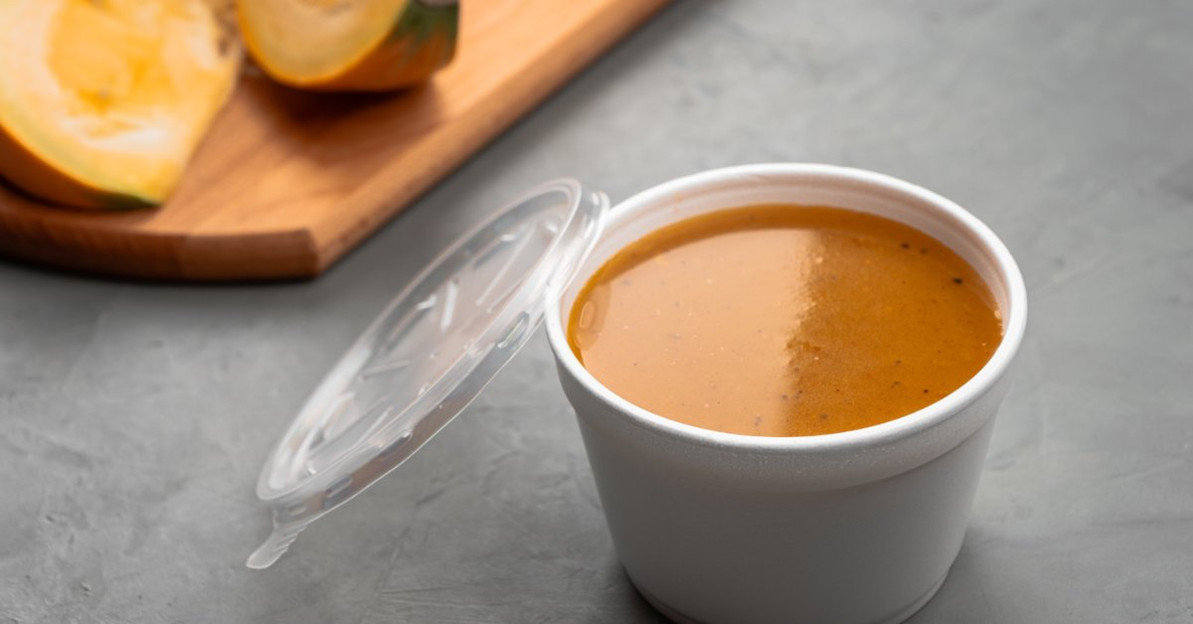
A soup container needs more than a sturdy base. The lid plays an equally important role in containing hot foods, protecting presentation, and making takeout orders easier for staff and customers to handle.
Choosing the right soup container lid requires more than matching a general diameter. Operators must consider container compatibility, temperature, ventilation, delivery conditions, and how customers will use the package. Paying attention to these details can help prevent leaks and create a more reliable takeout experience.
Why the Right Soup Container Lid Matters
Soup creates packaging challenges that many solid foods do not. Liquid can move quickly inside a container during transport, while heat and steam create additional pressure beneath the lid. A poor fit can allow broth, sauces, or other hot foods to escape.
The right lid helps the complete package perform as intended. It should remain secure from the moment an employee closes the container through pickup or delivery. A dependable closure can also give staff greater confidence when packing multiple orders into bags.
Consider the Entire Takeout Experience
Customers may carry soup containers by hand, place them in a vehicle, or transport them alongside other menu items. Delivery drivers may handle several orders during a single route. Packaging must remain dependable through those movements.
A secure lid also supports presentation. When soup reaches the customer without spills around the rim or inside the bag, the packaging helps reinforce the care the restaurant puts into the order.
Start With Container and Lid Compatibility
Matching lids and containers should be the first step in the selection process. A food service supplier can help operators identify compatible products rather than relying on appearance or measurements alone.
Manufacturers may design lids for specific container lines, capacities, or rim styles. Two containers with similar dimensions do not necessarily use interchangeable lids. Selecting components that work together reduces uncertainty during packing and service.
Check the Container Series
Start by identifying the exact soup container your operation uses. Review its size, material, product line, and corresponding lid options before placing an order.
Using products from the same compatible series can simplify purchasing as well. Staff members spend less time determining which lids belong with which containers, especially when a restaurant stocks several takeout sizes.
Think About Heat and Steam
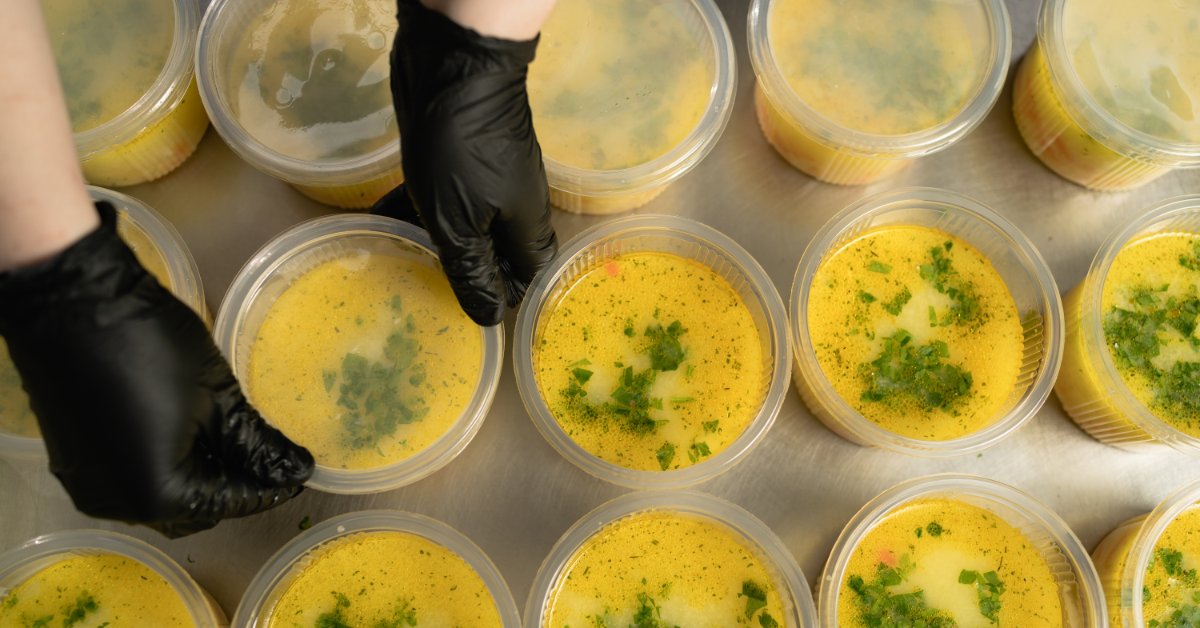
To choose the right soup container lid, you must consider heat and steam and its affect on the packaging. Hot soup continues releasing steam after employees fill and close the container. That heat can influence how the lid performs, so operators should choose packaging for the temperature and type of food they’re serving.
The container and lid should work together under normal serving conditions. Packaging for cold foods may not provide the same performance with hot soup, chili, stew, or similar menu items.
Decide Whether Venting Makes Sense
Some lids include venting features that allow steam to escape. Ventilation can help manage condensation and pressure inside the package, depending on the food and packaging design.
A vented lid may work well for certain applications, but it is not automatically the best choice for every soup. Operators should consider how liquid the menu item is and how the container will travel.
Evaluate Leak Resistance
Leak resistance deserves close attention when packaging soup. Even a small opening between the lid and container can create a mess once the package moves or tilts.
Test the complete package with the foods your restaurant serves. Fill the container to the normal level, apply the lid using standard staff procedures, and evaluate how well the closure holds during realistic handling.
Look at the Rim and Closure
Different packages use different closure designs. Some lids snap firmly around the rim, while others use alternative locking or fitting systems.
Whatever design you select, employees should be able to confirm that the lid is secure. A clear, consistent closure can make packaging easier during busy service periods and reduce the chance that a partially attached lid leaves the kitchen.
Consider Lid Visibility
Clear lids can help employees identify orders without opening the container. That visibility can be useful when several soups, sides, or prepared foods look different enough to recognize at a glance.
Visibility may also improve presentation. Customers can immediately see the food when they open a takeout bag, while staff can verify certain orders before handing them off.
Choose Sizes That Fit Your Menu
Restaurants may serve soup in several portions, from a small side to a full entrée. Each additional container size can require another lid type, increasing the number of packaging products employees need to manage.
Review your menu before expanding the assortment. In some cases, standardizing around a smaller number of practical sizes can simplify storage and replenishment without limiting service.
Keep Storage Space in Mind
Lids can take up valuable shelf space, particularly when an operation carries several shapes and sizes. Consider how cases will fit into your existing storage area before committing to a broader packaging lineup.
Simple organization also helps prevent staff from combining incompatible components during a rush. Store matching containers and lids near each other, and label shelves clearly where necessary.
Test Lids Under Real Service Conditions
Product specifications provide useful information, but restaurants should also evaluate packaging within their own workflow. The best lid for a particular operation must perform during filling, packing, stacking, pickup, and transport.
Run a practical test before making a larger purchasing decision. Have employees pack the container exactly as they would during service, then handle it as a customer or delivery driver might.
Get Feedback From the Team
Kitchen and front-of-house employees can identify problems that may not appear during a basic product review. A lid might require too much pressure to close, slow employees during peak periods, or make it difficult to confirm a proper seal.
Ask employees whether the packaging feels intuitive and dependable. Their feedback can reveal whether a product supports the speed and consistency the operation needs.
Account for Your Broader Packaging System
Soup containers rarely travel alone. Restaurants may pack them with sandwiches, salads, utensils, napkins, beverages, and other items. Consider how the container and lid fit into the entire takeout package.
A stable soup container can make bag packing easier, particularly when staff must organize multiple items efficiently. Operators should also consider how containers stack before and after filling.
Choose Soup Lids With the Full Order in Mind
The ideal soup container lid should match its container, support the food’s temperature, close securely, and fit naturally into daily restaurant operations. Testing the complete package under realistic conditions can help operators spot problems before they affect customers.
Kevidko helps restaurants and other foodservice businesses simplify supply ordering with practical packaging options, flexible ordering, and hands-on customer support. Explore Kevidko’s foodservice supplies, or contact the team for help sourcing the right containers and lids for your operation.
Recent Posts
-

How To Choose the Right Soup Container Lid
A soup container needs more than a sturdy base. The lid plays an equally important role in containin …Sep 15th 2026 -

Common Mistakes When Switching To-Go Containers
Changing takeout packaging can seem like a simple purchasing decision. In practice, a new container …Sep 2nd 2026 -
8 Ways Aluminum Foil Packaging Improves Food Quality
Food quality depends on more than ingredients and preparation. The packaging a restaurant, café, cat …Aug 31st 2026