
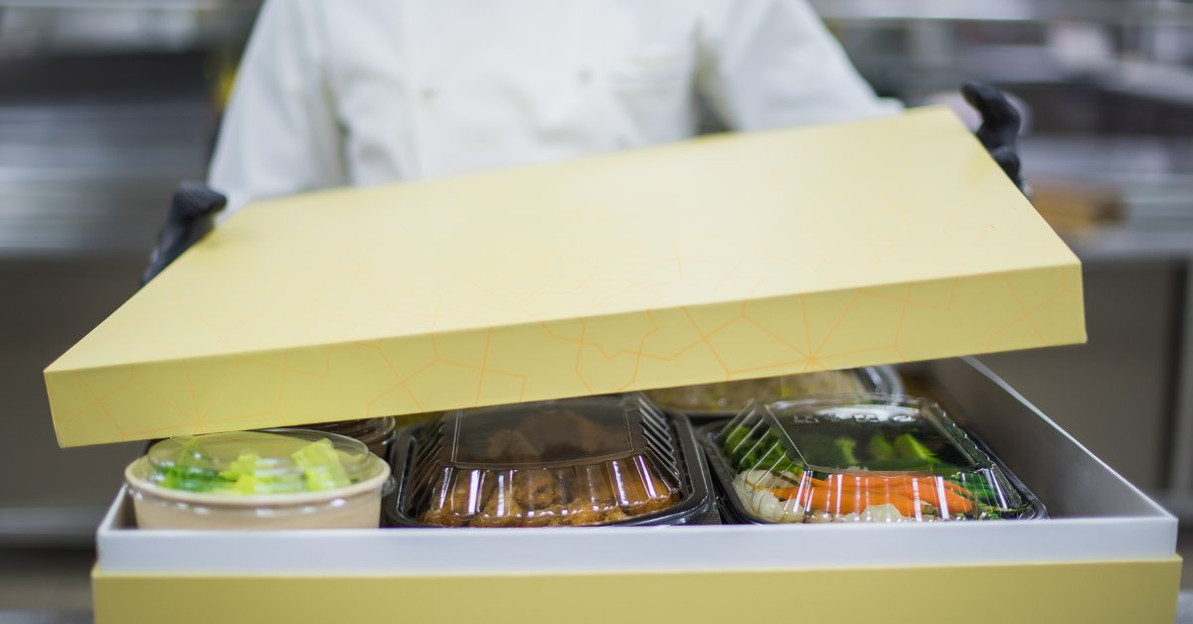
What To Expect From Heavy-Duty Catering Boxes
Catering orders put packaging under pressure. A single delivery might include full trays of food, boxed lunches, or multiple dishes for a crowded event venue. Even a well-prepared meal can arrive in poor condition when its outer packaging bends, shifts, or becomes difficult to carry.
Heavy-duty catering boxes help businesses manage those challenges by providing a sturdy way to organize and transport larger orders. Knowing what to expect from heavy-duty catering boxes makes it easier to choose packaging that works from the kitchen to the serving table.
Strong Construction That Supports Large Orders
Heavy-duty catering boxes prioritize structural support. Against lighter cartons, these boxes typically use thicker paperboard or corrugated material and reinforced folds to better handle substantial contents. The actual strength depends on the material, design, and weight rating, so appearance alone cannot tell you how much a box can carry.
Rigidity During Lifting and Transport
A sturdy base helps keep the contents level when staff lift a packed box from a prep counter or delivery vehicle. Firm sidewalls reduce unwanted flexing, especially when an order fills most of the interior. Securely folded corners can help the box maintain its shape throughout normal handling.
Test a sample with the heaviest order you realistically plan to pack. If the bottom bows or the walls buckle, choose a different construction or reduce the load.
Closures That Stay in Place
A strong box also needs a dependable closure. Tuck-in flaps, locking tabs, and fitted lids serve different purposes, and the right choice depends on how frequently staff must open the container. A lid should remain secure during movement without forcing workers to struggle at delivery.
Sizes That Fit Your Catering Menu
Ordering catering boxes wholesale becomes easier when you know the dimensions and packing needs of your standard menu items. A box that looks spacious on a product page may still leave too little room for a tray lid or a protective insert. Measure the full item rather than the food alone.
Space for Trays and Accessories
Catering boxes may need to hold foil pans, covered platters, individually wrapped meals, or containers of condiments. Allow space for lids and any protective material that keeps components from rubbing against each other. Excess room, however, can encourage items to slide when a driver turns or stops.
Plan box sizes around repeat orders, such as breakfast catering packages or family-style dinner trays. Standardizing a few useful dimensions simplifies packing decisions and makes inventory easier to manage.
Height and Interior Clearance
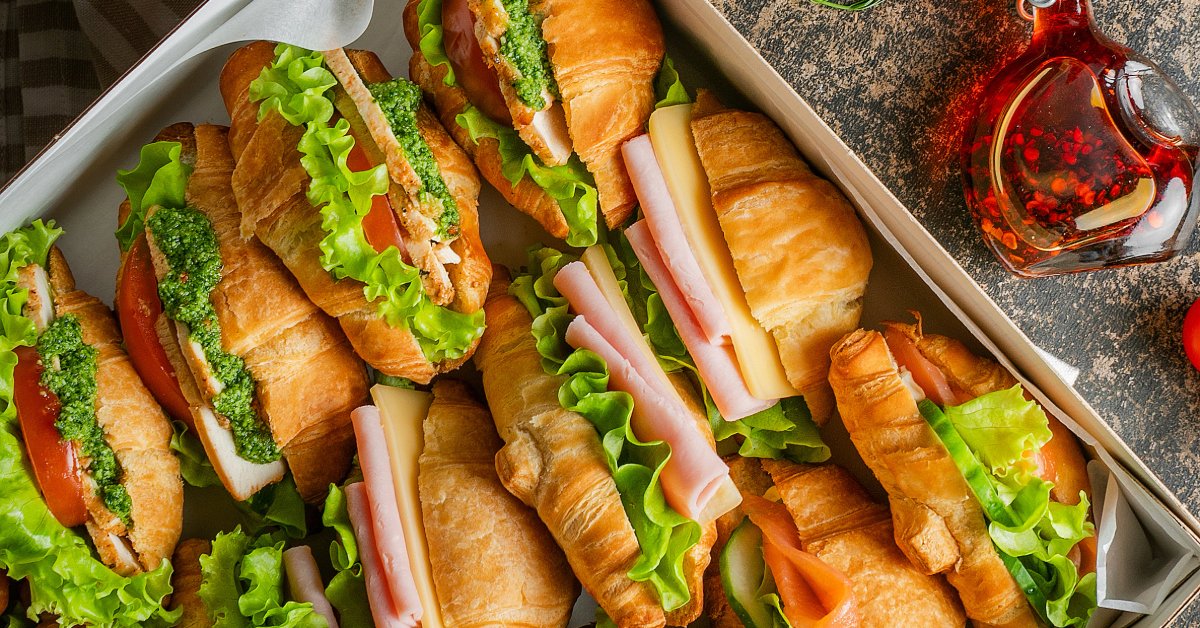
Length and width are only part of the fit. Tall sandwich stacks, decorated desserts, and raised tray lids need enough overhead clearance to avoid contact with the box top. Check internal dimensions, since outer measurements can overstate the space available for food containers.
Easier Handling for Busy Catering Teams
One thing that caterers can expect from heavy-duty catering boxes is easier handling. Packaging should make the packing and delivery process more efficient, not create another task for employees to troubleshoot. Box design influences how quickly staff assemble orders and how comfortably drivers can move them.
Assembly Without Delays
Some catering boxes arrive flat and fold into shape. That approach can save storage space, but assembly time matters during a rush. Choose boxes with folds that align consistently and closures that staff can secure without extra tools, unless the design calls for them.
Practice assembling a sample before purchasing a large quantity. A box that takes too long to build may slow down service when several event orders leave at once.
Carrying and Stacking Considerations
Handles can make a box easier to pick up, assuming the handles suit the load. Boxes without handles may require two-handed lifting or a cart, particularly for larger trays. Teach employees to support the bottom regardless of how sturdy the sides appear.
Stacking requires extra care. A strong base does not automatically mean the lid can carry weight from another loaded box. Follow the manufacturer's stacking guidance, and keep delicate foods out of arrangements that could cause crushing.
Protection That Matches the Food Inside
A catering box provides an outer layer of support, but it does not replace the food container itself. The right combination depends on whether the order contains hot entrees, chilled dishes, or items that require separation.
Heat, Moisture, and Food Contact
Most paper-based catering boxes should not contact unpackaged food directly. Use appropriate food-safe pans, trays, or liners when necessary. Hot dishes also produce steam, which may soften some materials if moisture collects inside the box.
Do not assume that a heavy-duty box insulates food or maintains a safe serving temperature. Use suitable temperature-control equipment and follow food safety procedures for transport and holding. Confirm whether the packaging can tolerate the conditions your service requires.
Keeping Different Items Organized
Dividers, fitted containers, and deliberate placement can help protect food presentation. Keep heavy items low and avoid resting them on delicate pastries or garnishes. Pack sauces in secure containers, and place them where a leak is less likely to affect the entire order.
For mixed orders, label the outside clearly so the delivery team can identify the correct box without frequently opening it. Clear labeling also helps event staff distribute dishes to the right serving stations.
Storage and Cost Considerations
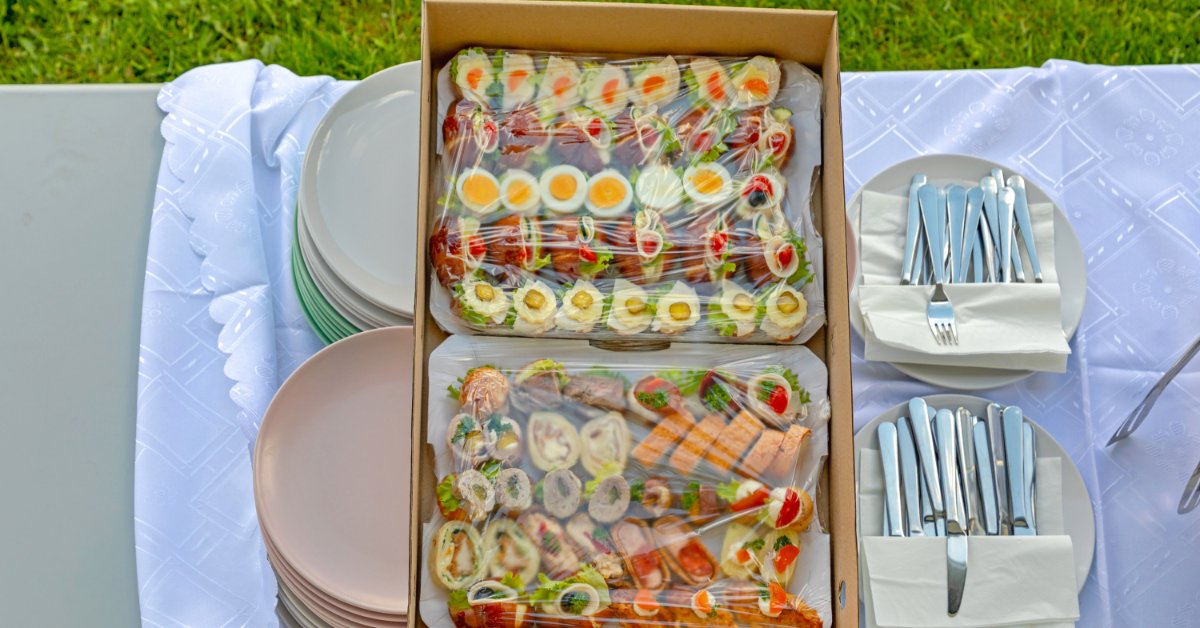
The strongest box is not necessarily the best purchase for every order. Businesses need packaging that matches typical loads without consuming excessive storage space or stretching the supply budget.
Evaluate Total Packaging Use
Compare more than the price per box. Consider whether the design reduces the need for extra support materials, how much space it occupies in storage, and how quickly employees can pack it. A less expensive option may create avoidable work if staff must reinforce it before every delivery.
Order samples when available and trial them on several menu configurations. Note any damage, awkward lifting, or packing delays so the purchasing decision reflects daily operations rather than assumptions.
Keep Reliable Inventory on Hand
Flat-packed boxes can make backroom organization easier, but even compact packaging needs a storage area. Keep cartons clean and dry, and rotate supplies to use older stock first. Track demand around weekends, holidays, and recurring events to avoid last-minute shortages.
Working with a dependable foodservice supplier can simplify replenishment and help you compare compatible sizes. When your menu changes, revisit packaging specifications before committing to another large order.
Before choosing a standard size, ask drivers and kitchen staff where packaging causes frustration. Their feedback may reveal problems that purchasing records miss, such as boxes that block visibility in delivery vehicles or require extra hands to unload.
Choose Boxes That Work Beyond the Kitchen
Heavy-duty catering boxes should support the entire trip from preparation to delivery. Look for construction that can handle your load, dimensions that fit dishes, and features that make assembly and carrying practical. Then test those boxes in real service conditions before making them part of your standard workflow.
Kevidko helps foodservice operators simplify supply purchasing with convenient online ordering and personalized support. Explore Kevidko's packaging supplies or contact the team to discuss sourcing options that suit your catering operation.
Recent Posts
-
What To Expect From Heavy-Duty Catering Boxes
Catering orders put packaging under pressure. A single delivery might include full trays of food, bo …Oct 23rd 2026 -
Holiday Bakery Preorders: Package the Whole Order
Plan holiday bakery preorders with boxes, boards, bags, and a pickup routine that accounts for ever …Oct 17th 2026 -

Advantages of Round Foil Pans for Baking
Round foil pans give bakeries, restaurants, and catering businesses a convenient way to prepare and …Oct 14th 2026