
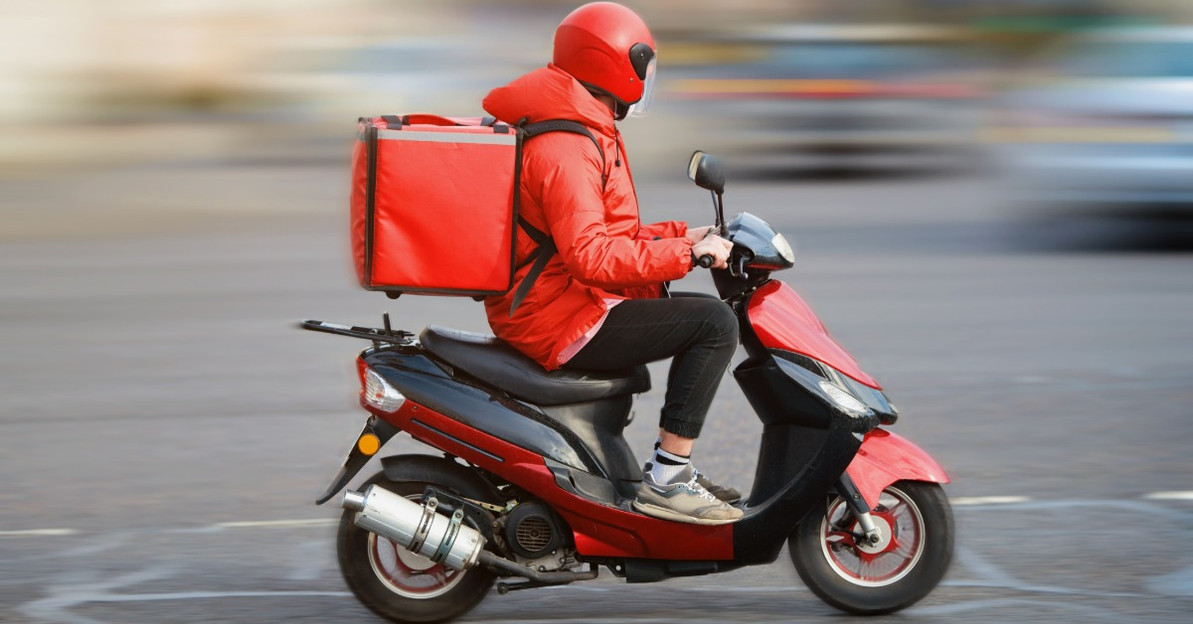
What To Do When Food Packaging Fails During Delivery
Every catering company and restaurant that handles food delivery has faced the sinking feeling of a packaging failure. A leaking container or food that arrives cold and uninviting can undo everything your kitchen worked to produce.
Knowing what to do when food packaging fails during delivery separates operators who lose customers from those who maintain customer satisfaction. Implementing proper protocols and improving your packaging options will protect your reputation and help you maintain your growing delivery service.
Understand the Most Common Delivery Packaging Failures
Before you can fix a packaging problem, you need to understand what caused it. Delivery failures rarely come out of nowhere, and most trace back to a predictable set of issues that recur in catering operations of all sizes.
Why Packaging Breaks Down Between the Kitchen and the Customer

A container may look secure when it leaves the kitchen, but the conditions inside a delivery bag can quickly put that seal to the test. A lid that seals perfectly on the counter might pop open under the pressure of other containers resting on it in a delivery bag.
Heat and steam also work against packaging that isn't rated for high temperatures. A container that holds up during a short trip across town can warp or lose its seal during a longer catering delivery.
Soups and protein-heavy dishes release steam that builds pressure inside a sealed container. If the container material or the lid design can't handle that pressure, you can end up with a compromised seal and a spill waiting to happen.
For catering companies that transport large trays over long distances, the movement of a vehicle adds stress that cheaper containers simply can't withstand. Every bump, sudden stop, or sharp turn can jostle the trays and put more pressure on the packaging.
When you identify the failure point, you know where to focus your response. A collapsed lid points to a stacking or sealing issue. A soggy bottom suggests that the container can't manage moisture. Lukewarm food on arrival usually means inadequate insulation during transport.
How to Respond When a Delivery Packaging Failure Happens
Even the best operations experience a packaging failure at some point. What you do in the minutes and hours after the problem will shape the customer experience. A customer who receives a leaking container or a lukewarm meal remembers the failure, but they also remember how your business responded. Speed and direct accountability matter most when a delivery goes wrong.
Talking to Customers After a Failed Delivery
Be the first to reach out to your customer; don't wait for them to come to you. If your driver spots an issue at the door, make sure there's a clear process for getting that feedback to your team so you can connect with the customer right away. A prompt message or call that owns the mistake and offers a real solution is much more likely to win trust than a late response after the customer has already vented online.
Your resolution should offer something specific. A partial refund or a credit toward a future order communicates that you take the experience seriously. Customers who experience a problem and receive a fast, genuine response from a business often become more loyal than customers who never had an issue. The way you handle failure communicates more about your brand than the failure itself.
Document every packaging-related delivery complaint your team receives. Track which containers failed and what conditions surrounded each incident. That information tells you whether you're dealing with an isolated event or a recurring issue tied to a specific container type or delivery route.
Here are the key steps to take when a packaging failure reaches your attention:
- Contact the customer immediately with a direct apology and a concrete resolution.
- Ask your driver for specific details about when and how the failure occurred.
- Log the incident, noting the container type and delivery distance.
- Issue a refund or credit based on the severity of the problem.
- Review your packaging inventory to determine whether a switch is necessary.
Work with a Trusted Supplier to Prevent Failures Before They Happen
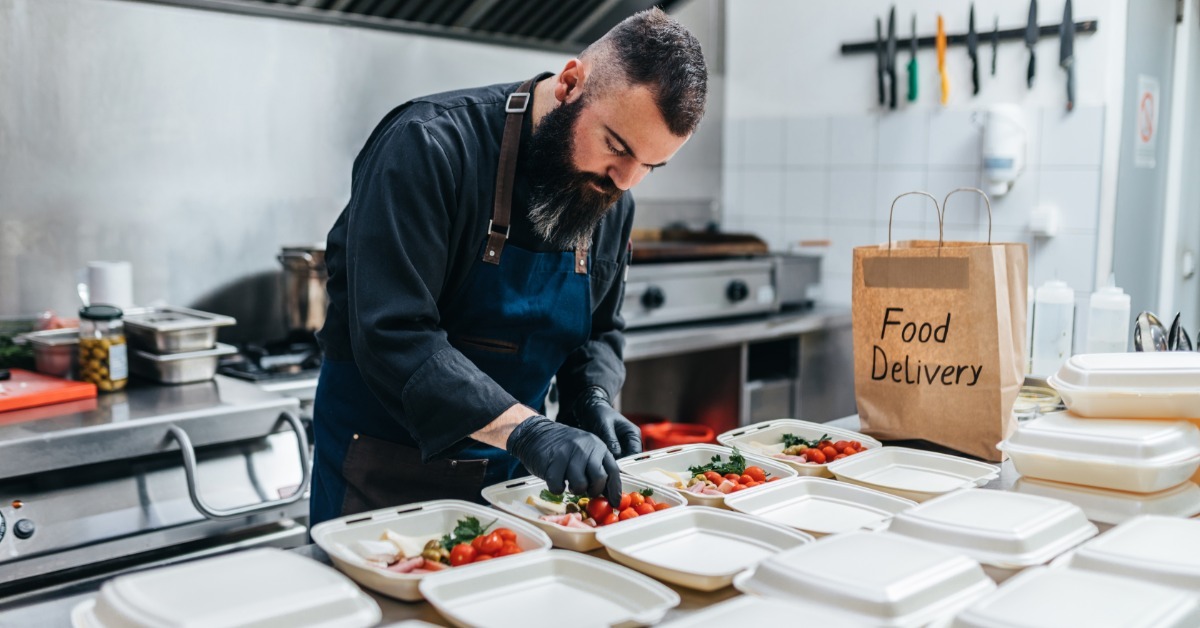
Responding quickly when packaging fails can help rebuild trust, but preventing the problem in the first place does more to protect your reputation. The right containers, paired with clear handling procedures, help every order arrive the way your kitchen intended. Most avoidable failures trace back to one of two issues: the container isn’t right for the dish, or the team hasn’t been trained to handle it properly during transport.
What to Look for When Choosing Delivery Packaging
Choose containers designed for the unique needs of each menu item. A hearty casserole deserves a deep, sturdy container with a tight-fitting lid to handle the weight and trap heat. For soups or sauces, reach for leak-proof containers designed for liquids. If you're sending out catering trays over long distances, pick materials like aluminum foil that keep food hot and won’t buckle or warp during transit.
Don’t just trust a container; put it to the test before using it for regular deliveries. Stack it with other orders, let it sit for the usual delivery window, and see how it holds up. It’s a quick trial run that can reveal potential issues before it reaches your customers.
Train your drivers to treat every food delivery as if it were a dish they’ve prepared themselves. Even the sturdiest container can break if it gets thrown in the trunk or left to slide around during the drive. Let your drivers know exactly how you expect them to handle the food, and check in with them regularly about what they’re seeing on the road. That way, you’ll catch small issues before they turn into big problems and keep your customers happy.
For catering companies and restaurants that take delivery quality seriously, Kevidko offers a wide range of packaging solutions built for the real demands of food delivery. As a trusted food service supplier, we stock aluminum foil containers and leak-proof options designed for liquid-heavy dishes, giving you access to the full range of packaging your delivery operation depends on. Investing in the right containers from the start costs far less than the refunds and lost customers that preventable failures bring.
A Stronger Delivery Operation Starts Here
Packaging failures are a frustrating reality in food delivery, but they don't have to cost you customers. Knowing what to do when food packaging fails during delivery, from responding quickly to investing in containers that hold up on the road, gives your operation a clear path forward.
A strong response plan and the right packaging work together to turn a potential reputation problem into an opportunity to show customers what your business is really made of. Browse the Kevidko catalog today and build a delivery setup that ensures food arrives at its designated location in great condition.
Recent Posts
-
What To Expect From Heavy-Duty Catering Boxes
Catering orders put packaging under pressure. A single delivery might include full trays of food, bo …Oct 23rd 2026 -

Holiday Bakery Preorders: Package the Whole Order
Plan holiday bakery preorders with boxes, boards, bags, and a pickup routine that accounts for ever …Oct 17th 2026 -

Advantages of Round Foil Pans for Baking
Round foil pans give bakeries, restaurants, and catering businesses a convenient way to prepare and …Oct 14th 2026