
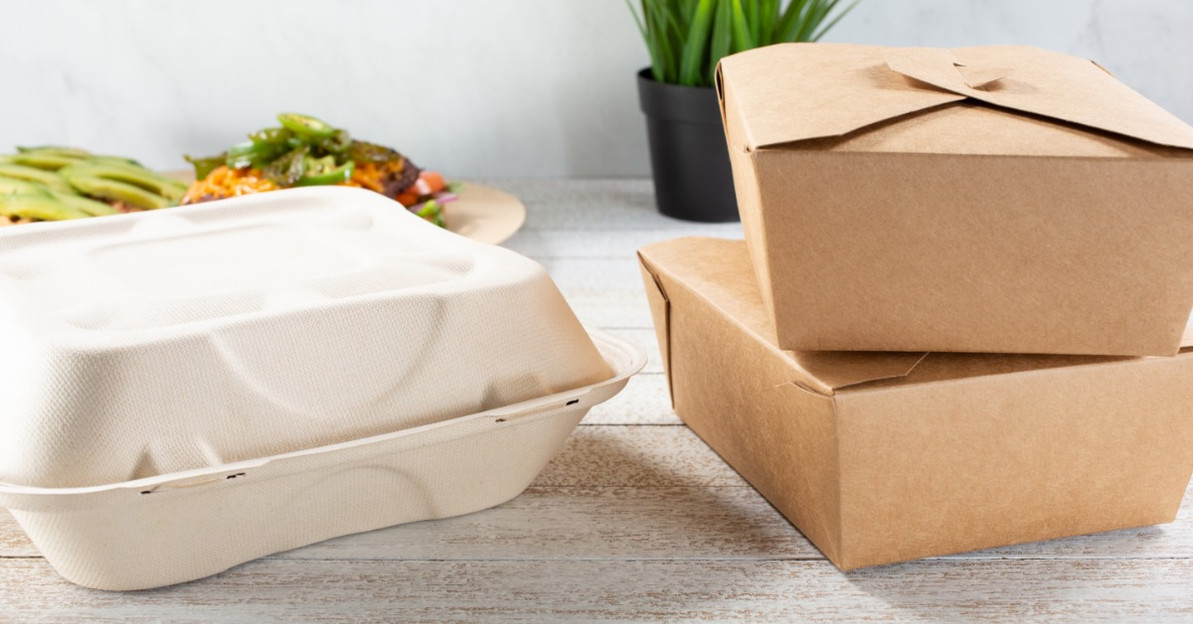
How To Reduce Spills Using Secure To-Go Containers
Spills can turn a carefully prepared take-out order into a costly customer service problem. Leaking sauces, loose lids, and damaged packaging can affect food quality, create extra cleanup, and leave customers with a poor impression of a restaurant.
Secure to-go containers help operators protect meals from the kitchen to the customer’s table. By choosing the right container, closing it correctly, and packing each order with care, restaurants can reduce messes while improving efficiency and customer satisfaction. Keep reading to understand how to reduce spills using secure to-go containers.
Why Spill Prevention Matters for Take-Out Orders
Customers expect take-out and delivery meals to arrive in the same condition they would receive them inside the restaurant. A leaking container can damage other items in the bag, weaken paper packaging, stain a customer’s car, or make the food difficult to serve.
Spills also create hidden operating costs. Restaurants may need to replace meals, issue refunds, provide credits, or spend additional time resolving complaints.
Protecting Food Quality During Transport
Secure containers help keep ingredients in place, preserve presentation, and maintain the texture of each dish. A tight lid can prevent sauces from escaping, while proper compartments can keep crisp ingredients away from moist foods.
The right packaging also supports temperature control. A container that closes securely can retain heat more effectively than one with a loose or poorly fitted lid. This gives customers a better experience, especially when delivery times run longer than expected.
Start With the Right Container for the Food
No single secure to-go container will reduce spills for every menu item. Restaurants should match the size, shape, material, and closure style to the food they plan to pack. A shallow container may suit sandwiches or pastries, while a deeper container can handle pasta, rice dishes, or entrées with larger portions.
Operators purchasing wholesale take-out containers should consider how each product performs with hot foods, cold foods, sauces, grease, and transport conditions. Testing several options with actual menu items can reveal which containers provide the most dependable seal.
Match the Container to the Portion Size
An oversized container allows food to move during transport. This movement can shift garnishes, mix ingredients, and push liquids toward the lid. A container that fits the portion more closely helps hold the meal in place.
Restaurants should also avoid overfilling containers. Food or sauce near the rim can interfere with the lid and prevent a complete seal. Leaving a small amount of space at the top gives staff room to close the package without pressing food into the closure area.
Choose Secure Lid Designs
Lids should fit the container evenly and stay secure when the package tilts or moves. Hinged containers can reduce the chance of pairing a base with the wrong lid, while separate lid systems may provide flexibility across several container sizes.
Operators should check the entire edge after closing the container. A lid may appear secure on one side while remaining loose on another. Staff should press around the perimeter and engage every tab, ridge, or locking point.
Use Compartments to Control Liquids and Sauces
Compartmented containers can separate entrées, sides, and toppings so that moisture does not spread across the meal. This structure works well for dishes that combine crisp, soft, dry, and sauced components.
However, compartments cannot replace a secure seal. Thin liquids may move between sections if the dividers do not reach the lid. Restaurants should test compartmented packaging with the exact foods they serve before using it for delivery.
Package Sauces Separately When Necessary
A sauce cup with a tight-fitting lid can provide more protection than placing extra sauce directly inside the main container. Separate sauce packaging also helps customers control how much they add to the meal.
Staff should match each cup with the correct lid and avoid filling it to the rim. They should also place sauce cups upright in the bag and keep them away from heavy containers that could crush or tilt them during transport.
Create a Consistent Closing Process
Even strong packaging can leak when staff members close it incorrectly. Restaurants can reduce errors by creating a simple, repeatable process for packing each order. Employees should inspect the rim for food residue, align the lid carefully, press each closure point, and check the seal before moving the container to the bagging station.
Keep Container Rims Clean
Sauce, grease, crumbs, and food particles can prevent a lid from making full contact with the base. Staff should wipe the rim before closing the package, especially when packing soups, curries, pasta, or other liquid-heavy dishes.
A clean rim also makes the final package look more professional. Customers notice smears and residue around lids, even when the container does not leak.
Train Staff to Check Every Seal
Team members should know what a properly closed container looks and feels like. Managers can demonstrate how each lid locks and explain which menu items require extra attention. Restaurants can also add a final check at the bagging station.
Pack the Delivery Bag Strategically
Container quality matters, but bag arrangement also plays a major role in spill prevention. Heavy items should sit at the bottom, while lighter or more delicate packages should rest on top.
Staff should place containers on flat surfaces and avoid stacking items that have curved, flexible, or vented lids. A stable arrangement limits movement when a driver turns, stops, or carries the order up stairs.
Separate Hot and Cold Items
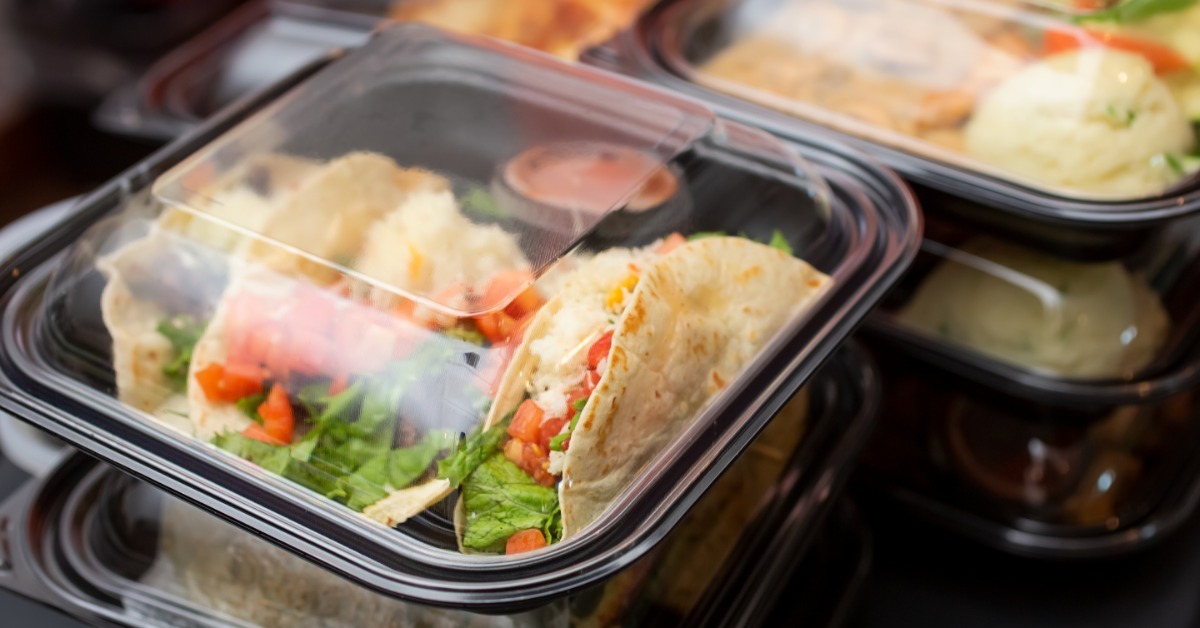
Placing hot and cold foods in the same bag can create condensation, soften packaging, and affect food quality. Separate bags help maintain temperatures and reduce moisture around containers. This approach also protects desserts, salads, and cold beverages from heavier hot-food packages.
Fill Empty Space Without Crushing Food
Large gaps allow containers to slide during transport. Restaurants can use dividers, cup carriers, or more appropriate bags to limit movement without placing pressure on the food.
The bag should support the containers rather than squeeze them. Packing too tightly can bend lids, loosen seals, and damage delicate items.
Test Packaging Before Full-Service Use
Restaurants should test new containers under realistic conditions. Staff can pack a typical meal, place it in a delivery bag, carry it through the restaurant, and drive it over a normal delivery route.
After the test, the team should check for leaks, lid movement, condensation, and changes in presentation. Testing several menu items can help operators identify weaknesses before customers experience them.
Build a More Reliable Take-Out System
Spill prevention works best when restaurants treat packaging as part of the complete take-out process. Container selection, food portioning, lid closure, bag arrangement, staff training, and delivery handling all affect the result. Operators can simplify purchasing by working with a supplier that offers dependable foodservice packaging, flexible ordering, and practical support.
Reduce Spills With Better Packaging Practices
Secure to-go containers can protect food quality, reduce refunds, limit cleanup, and improve the customer experience. Restaurants can achieve stronger results by choosing the right package, leaving space near the rim, closing every lid carefully, and arranging delivery bags for stability.
Kevidko makes it easier to find dependable take-out packaging for restaurants, cafés, and other foodservice businesses. Explore Kevidko’s selection of foodservice supplies today, or contact the team for help choosing containers that fit your menu and service needs.
Recent Posts
-
Common Mistakes When Switching To-Go Containers
Changing takeout packaging can seem like a simple purchasing decision. In practice, a new container …Sep 2nd 2026 -
8 Ways Aluminum Foil Packaging Improves Food Quality
Food quality depends on more than ingredients and preparation. The packaging a restaurant, café, cat …Aug 31st 2026 -

What To Expect When Ordering Custom Catering Boxes
Catering packaging must do more than hold food. It must support transport, presentation, organizatio …Aug 25th 2026