
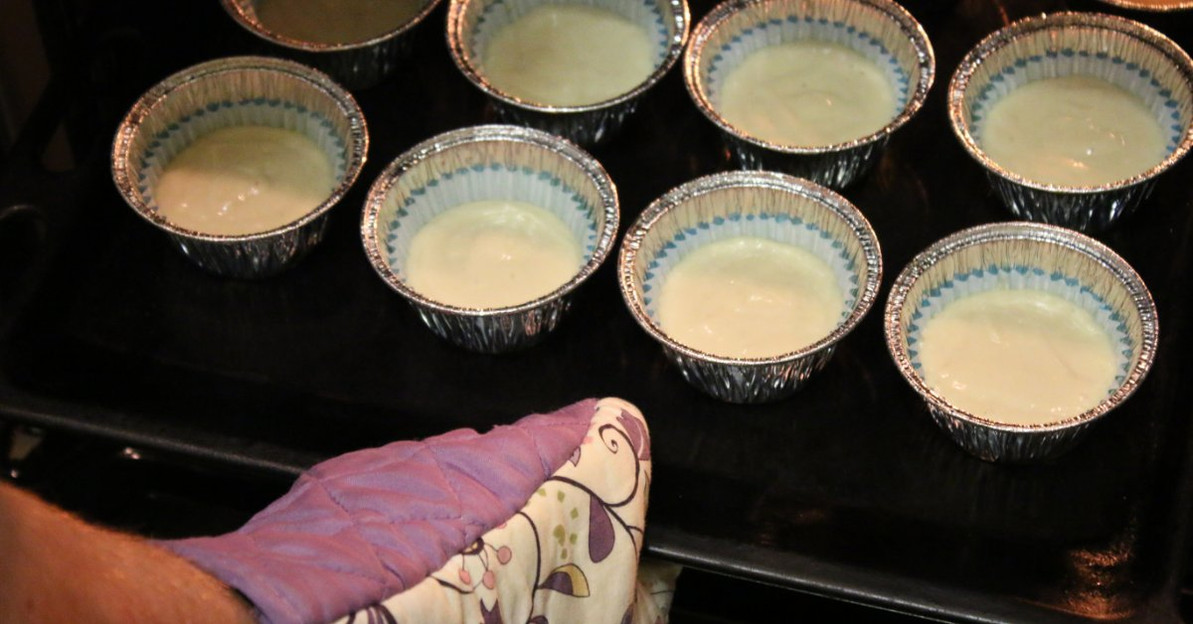
Advantages of Round Foil Pans for Baking
Round foil pans give bakeries, restaurants, and catering businesses a convenient way to prepare and package baked goods. Their familiar shape accommodates everything from pies to individual casseroles, while their lightweight construction makes handling easier. For busy kitchens, these practical pans can reduce cleanup and simplify production.
Choosing the right bakeware affects more than what happens inside the oven. Pan size, strength, storage requirements, and packaging compatibility all influence daily operations. Understanding the advantages of round foil pans for baking helps foodservice operators choose supplies that suit their menus.
Less Cleanup After Baking
Traditional baking dishes require washing before staff can use them again. During busy production periods, those dishes can fill sinks and occupy valuable workspace. Disposable round foil pans remove that extra cleaning step when a business serves food directly from the baking container.
Keep Production Moving
Staff can prepare another batch without waiting for reusable pans to finish washing and drying. This flexibility supports catering orders, holiday baking, and sudden increases in demand. It also frees employees to focus on food preparation and order fulfillment.
For operations that handle multiple baked products, using disposable pans can reduce bottlenecks between batches. Staff should still follow food safety procedures when cooling, storing, and handling finished items.
Efficient Heat Transfer
Another advantage of round foil pans for baking is that aluminum conducts heat efficiently, helping oven heat reach the food through the sides and bottom of the pan. That makes round aluminum foil containers useful for various baked dishes, provided the selected pan is suitable for the required oven temperature.
Adjust Recipes for Thin Bakeware
Foil pans are typically thinner than reusable metal baking pans, so their heating behavior may differ. Check products as they bake instead of assuming that cooking times will match those of heavier bakeware. A sturdy baking sheet beneath a flexible pan may make handling safer, although it can also influence browning.
Versatility for Sweet and Savory Foods
Round foil pans suit many familiar bakery products. Operators can choose shallow styles for pies and deeper pans for cakes or prepared meals. Selecting the proper shape and capacity helps products retain their intended appearance.
Bake More Than Desserts
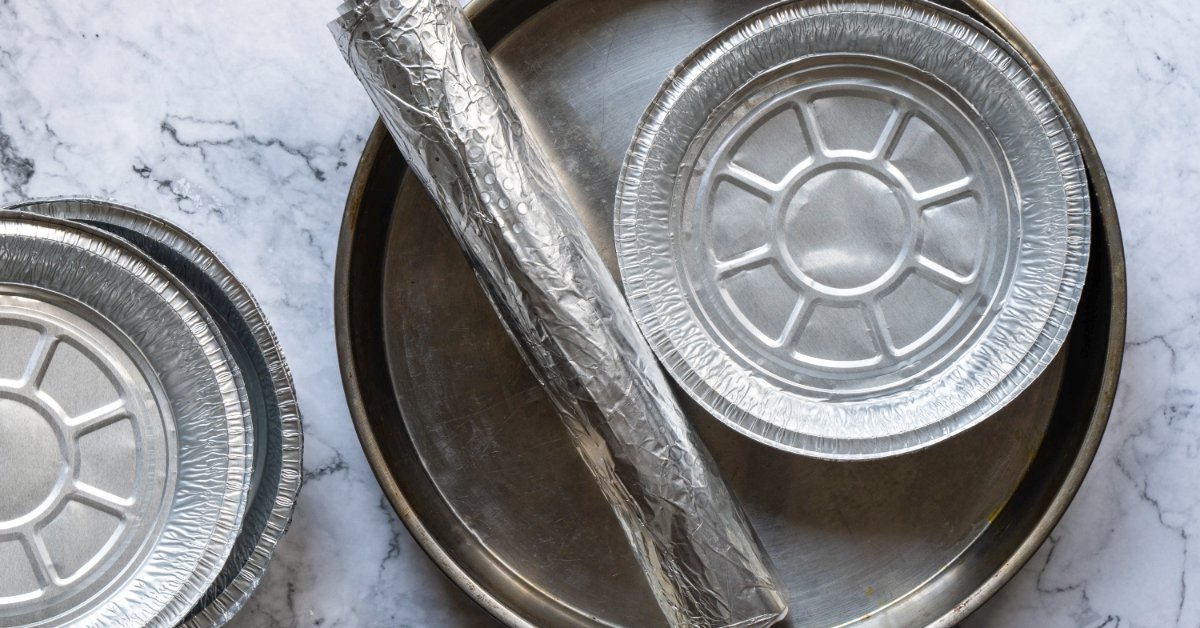
Bakeries can prepare fruit pies, small cakes, and individual desserts in round pans. Restaurants may use appropriately sized versions for baked pasta, savory pies, or single-serving casseroles. This range of applications can simplify purchasing when several menu items use the same pan size.
Not every recipe works in every disposable pan. Delicate cakes may need careful preparation for release, while heavy fillings require pans with sufficient rigidity.
Test a new pan with your recipe before adopting it across an entire production run. Consider how employees will remove the product from the oven, cool it, and display it. A pan that works well for baking should also hold up during the next steps.
Simpler Takeout and Delivery
Transferring a finished pie or casserole into separate packaging creates another handling step. Fragile crusts can crack, and soft fillings can shift. Baking and selling suitable foods in the same foil pan reduces that movement.
Choose Compatible Covers
Some round pans pair with fitted lids that protect products during pickup or delivery. Clear dome lids can also make desserts visible without opening their packaging. Always confirm that the lid matches the pan's dimensions and rim design.
Let baked goods cool appropriately before covering them. Trapped steam can create condensation that softens crusts or affects presentation. Remove lids before oven reheating unless the manufacturer specifically states that they’re safe for the oven.
Better Portion Consistency
Using pans of a consistent size helps staff portion ingredients more predictably. A bakery selling individual pies can standardize the amount of filling in each one. Restaurants can apply the same approach to single-serving baked meals.
Match Size to Serving Needs
Smaller round pans work for personal desserts, while larger options accommodate shareable items. Depth matters as much as diameter, especially for recipes that expand during baking. Check each product's capacity instead of assuming that two pans with similar labels hold the same volume.
Consistent portions can make ingredient planning easier. They also help customers know what to expect when ordering a familiar menu item again.
Space-Saving Storage
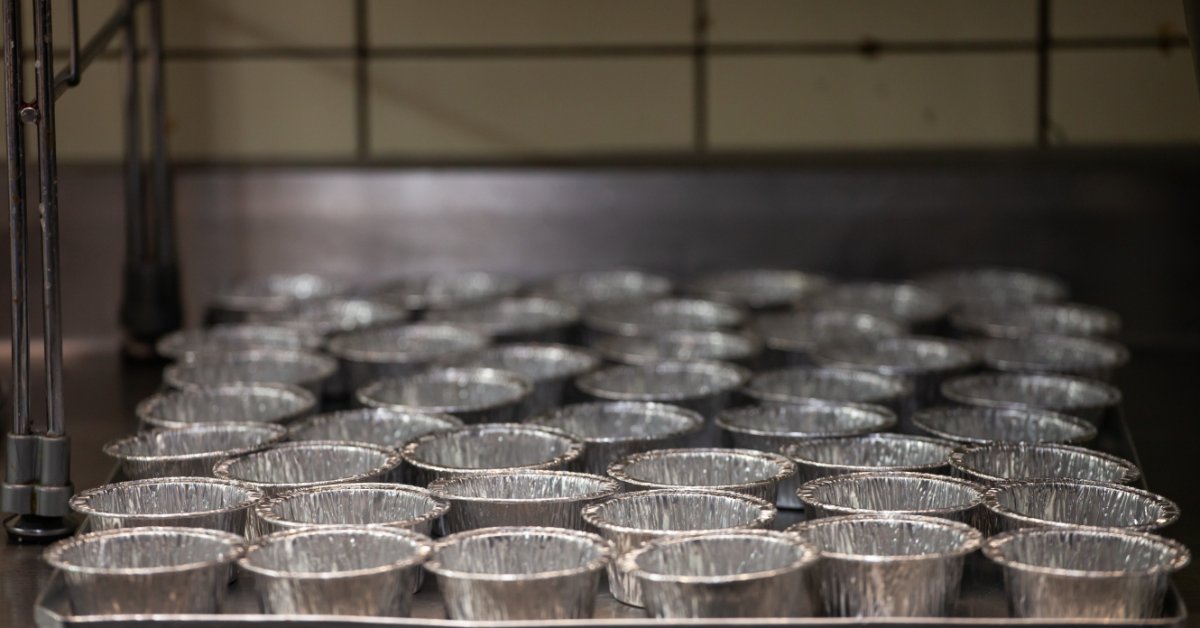
Commercial kitchens must find room for packaging alongside food, equipment, and cleaning supplies. Many round foil pans nest together, allowing operators to store numerous units in a compact stack. Their light weight also makes it easy to move supplies between storage and preparation stations.
Prepare for Seasonal Demand
A bakery may need extra pans before a holiday rush without needing the same volume every week. Disposable supplies provide flexibility because businesses can purchase additional units for short-term production increases. Organize stock by size so employees can find the right pan quickly.
Avoid stacking pans so tightly that their rims bend or separate poorly. Damaged edges may interfere with lid fit or make filled containers harder to handle.
Convenient Customer Presentation
Round foil pans provide a familiar presentation for pies, cakes, and prepared meals. For takeout businesses, the pan can become part of the finished product's packaging. Customers receive food in a container that can support it during transport.
Make Reheating Easier
Where appropriate, customers can reheat food in an oven-safe foil pan after removing any non-oven-safe cover. Include reheating directions suitable to the product and its packaging. Do not recommend microwave use unless both the appliance instructions and container guidance explicitly permit it.
This convenience is especially useful for catered meals and make-ahead dishes. Customers can serve the food without first transferring it into another baking dish.
Flexible Supply Purchasing
Disposable pans create an ongoing purchasing expense, but they also reduce dependence on a large inventory of reusable bakeware. Operators can order the sizes that match current menus and adjust quantities when demand changes.
Evaluate Strength and Fit
Compare pan diameter, depth, rim design, and rigidity before buying. Heavier dishes may need stronger containers or support during transport. If you plan to sell covered products, purchase compatible lids rather than relying on approximate measurements.
Working with one foodservice supplier for pans and related packaging can simplify reordering. Consistent product specifications also help staff prepare and package orders with fewer surprises. Before placing a larger order, check the package quantity and available storage space. This helps prevent unnecessary stock buildup while keeping the most popular sizes available.
Make Round Foil Pans Work for Your Kitchen
Round foil pans offer practical benefits for commercial baking, from reducing cleanup to making transport and portion planning easier. Their versatility and compact storage make them especially useful when production volumes change. The best results come from matching pan strength, dimensions, and lid options to the food you're preparing.
Explore Kevidko's foodservice and baking supplies to find convenient packaging for your menu. Kevidko offers straightforward online ordering, flexible purchasing, and customer support to help you stock your kitchen efficiently and easily.
Recent Posts
-

Advantages of Round Foil Pans for Baking
Round foil pans give bakeries, restaurants, and catering businesses a convenient way to prepare and …Oct 14th 2026 -

How To Pick the Right Box for Sheet Cakes
Sheet cakes make serving large groups easier, but transporting and presenting them requires the righ …Oct 6th 2026 -

Why Compartment Containers Improve Meal Prep
Meal prep can make foodservice operations more predictable, but packaging plays a major role in whet …Sep 29th 2026