
Pros and Cons of Domed vs. Flat Lids for Drinks
The lid on a cold drink may seem like a small detail, but it can shape how customers carry, enjoy, and view the beverage. The right lid can reduce spills, protect toppings, support convenient sipping, and create a more polished presentation.
Domed and flat lids each serve different purposes. Understanding their advantages and limitations can help cafés, restaurants, juice bars, and other foodservice businesses select packaging that fits their drinks, service model, and customer expectations. Below, we break down the pros and cons of domed vs. flat lids for drinks.
What Is a Domed Lid?
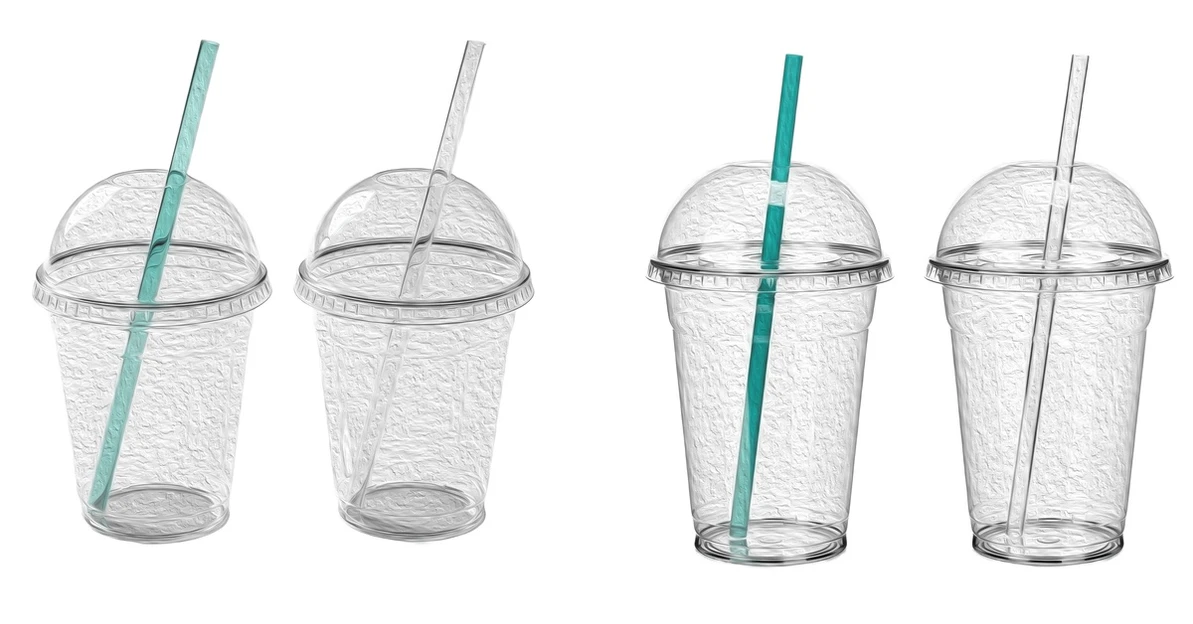
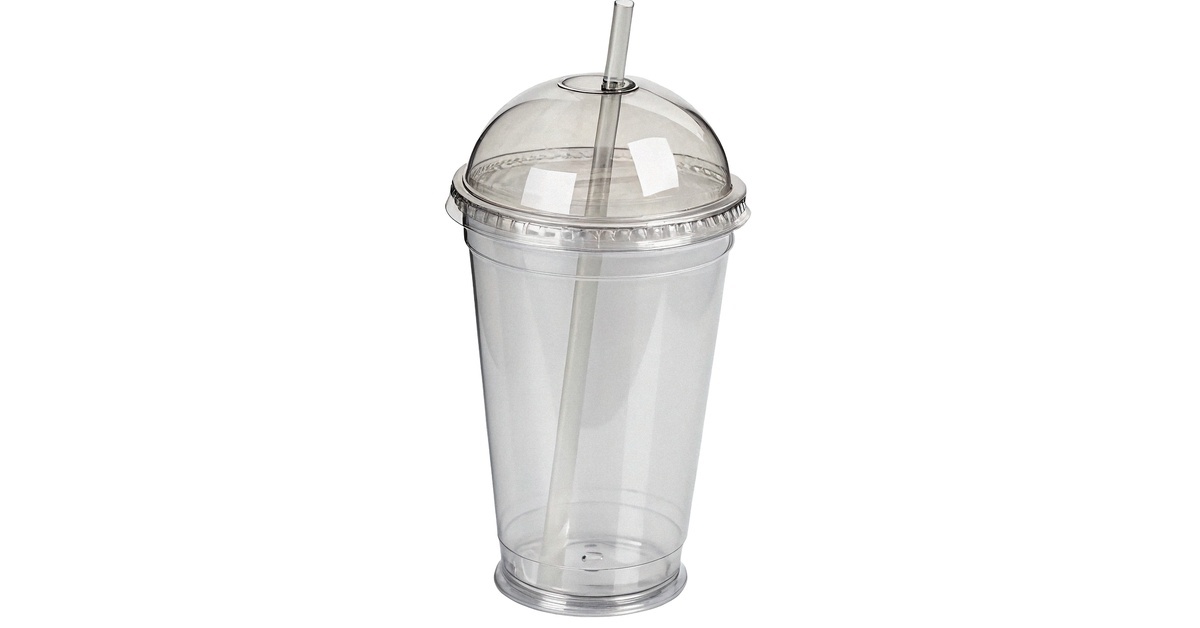
A domed lid has a raised, rounded top that creates extra space above the rim of the cup. Many designs include a wide opening at the top for a straw, spoon, or sampling utensil.
The added height makes domed lids a practical choice for beverages with whipped cream, cold foam, fruit, cookie pieces, drizzles, or other toppings. The lid protects those additions without pressing them into the drink or smearing them against the plastic.
Advantages of Domed Lids
Domed lids make specialty drinks look more generous and visually appealing. The raised shape highlights layered beverages, bright colors, and decorative toppings, which can support an attractive presentation at the counter and in customer photos.
They also provide flexibility for blended drinks and dessert-style beverages. A café can serve a frozen coffee, milkshake, smoothie, or frappe with enough room for toppings while keeping the drink covered during handoff.
Disadvantages of Domed Lids
The extra height can make drinks harder to stack, store, or place in certain takeout carriers. A tall dome may also create clearance issues under low shelves, inside compact refrigerators, or in delivery bags.
Domed lids can require more storage space than flat lids, especially when a business keeps several sizes or opening styles on hand. Operators must also match each lid carefully with the correct cup diameter to prevent loose fits and spills.
What Is a Flat Lid?
Now that we’ve covered the pros and cons of domed lids for drinks, what about flat ones? A flat lid sits close to the rim of the cup and creates a low-profile top. Depending on the design, it may include a straw slot, a sip opening, or a fully closed surface that supports transport and storage.
Flat lids work well for iced coffee, iced tea, soda, lemonade, water, and other drinks that do not need extra room above the fill line. Businesses can pair them with PET clear cups to create a streamlined package that keeps the beverage visible while supporting convenient service.
Advantages of Flat Lids
Flat lids provide a compact, practical shape for busy foodservice environments. Staff can store them efficiently, customers can carry them easily, and delivery teams can place them in many standard drink carriers without adding unnecessary height.
Their simple profile also suits drinks that customers sip through a straw or directly from the lid. For high-volume service, this straightforward format can help employees assemble orders quickly and keep the pickup area orderly.

Disadvantages of Flat Lids
Flat lids leave little room for whipped cream, fruit, cold foam, or decorative garnishes. If staff overfill the cup or add toppings above the rim, the lid may press against the beverage and create a messy appearance.
A flat surface may also provide less visual impact for premium or dessert-style drinks. Customers can still see the beverage through a clear cup, but the package may not showcase toppings as effectively as a raised dome.
Domed vs. Flat Lids for Beverage Presentation
Presentation matters when a drink includes layers, colorful ingredients, or premium additions. A domed lid frames toppings and gives them room to remain intact, which can make blended drinks, specialty coffees, and smoothies look more distinctive.
A flat lid creates a clean, minimal appearance. This style works especially well for simple iced beverages, grab-and-go drinks, and orders where speed, consistency, and easy handling matter more than decorative height.
Choosing a Lid for Specialty Drinks
Domed lids usually work best for beverages that extend above the rim. Whipped cream, crushed cookies, fruit pieces, syrups, and other toppings need space, and a raised lid protects the finished presentation.
Flat lids suit drinks with a level fill line and no bulky garnish. Iced lattes, cold brew, lemonade, and soft drinks can maintain a neat appearance without the space of a dome.
Comparing Portability and Spill Protection
A secure fit matters more than the lid’s shape when preventing leaks. Operators should choose lids that match the cup’s diameter and rim design, and staff should press each lid firmly into place before serving the drink.
Flat lids provide a lower profile that can make drinks easier to carry through doorways, place in vehicles, and pack for delivery. Domed lids protect raised toppings, but their added height may make them more vulnerable to pressure from bags, shelves, or stacked items.
Storage, Inventory, and Service Speed
Lid selection also influences storage space, inventory planning, employee training, and service speed. Flat lids generally require less vertical storage space, which can help businesses with compact counters or limited back-of-house shelving. Domed lids may take up more room, but they allow businesses to package a broader range of high-value specialty drinks.
Managing Multiple Cup and Lid Sizes
Businesses should limit unnecessary variations while keeping enough options to serve their menu properly. Carrying too many lid styles can confuse employees, slow down service, and increase the chance of pairing the wrong lid with a cup.
Clear labeling and organized storage can reduce those problems. Staff should know which lids fit each cup size, which drinks require a dome, and which beverages work best with a flat top.
Cost and Value Considerations
The lowest-priced lid does not always provide the best value. A lid that fits poorly, cracks during use, or fails to protect the drink can lead to spills, remakes, refunds, and frustrated customers.
Operators should compare unit cost alongside durability, fit, storage requirements, and menu compatibility. A domed lid may support higher-priced specialty drinks, while a flat lid may provide an efficient choice for high-volume iced beverages.
Matching the Lid to the Menu
A coffee shop with a large blended beverage menu may need both domed and flat lids. Flat lids can cover iced coffee and tea, while domed lids can support frappes, smoothies, and drinks with whipped toppings.
A restaurant that mainly serves soda, water, and lemonade may rely more heavily on flat lids. A juice bar, dessert shop, or specialty café may use domed lids more frequently because presentation plays a larger role in the customer experience.
Choose the Lid That Fits the Drink
Domed lids provide extra room, protect toppings, and enhance the appearance of specialty beverages. Flat lids offer a compact shape, efficient storage, easy transport, and dependable performance for standard cold drinks. The best choice depends on the beverage, service format, storage space, and customer experience.
Explore Kevidko’s selection of clear cups and compatible lids to find dependable options for iced coffee, smoothies, soft drinks, specialty beverages, and takeout service. Shop online for convenient ordering, flexible quantities, and foodservice support that helps keep your operation moving.
Recent Posts
-

Common Mistakes When Switching To-Go Containers
Changing takeout packaging can seem like a simple purchasing decision. In practice, a new container …Sep 2nd 2026 -
8 Ways Aluminum Foil Packaging Improves Food Quality
Food quality depends on more than ingredients and preparation. The packaging a restaurant, café, cat …Aug 31st 2026 -

What To Expect When Ordering Custom Catering Boxes
Catering packaging must do more than hold food. It must support transport, presentation, organizatio …Aug 25th 2026