

Why Lid Seal Quality Matters for To-Go Drinks
If your restaurant or café serves drinks to go, the lid on that cup is doing a lot more work than most people give it credit for. A tight, well-designed seal is the difference between a customer who arrives at their desk with a cold iced coffee and one who arrives with a wet lap and a bad mood.
Why lid seal quality matters for to-go drinks is worth exploring in depth, because the answer affects everything from customer satisfaction to your brand's reputation over time. The lid is the last line of defense between your drink and the outside world, and it's worth paying attention to.
The Basics of a Good Lid Seal
Not every lid is built the same, and that gap in quality becomes obvious the moment a drink hits the road. A good lid seal keeps beverages contained through every bump and jostle of a delivery run or carry-out order. It holds firm when a customer squeezes the cup, and it stays put even when condensation forms on the outside of a cold drink.
The best lids combine high-quality materials and precise engineering. The rim needs to grip the cup consistently around its circumference, because any inconsistency in that grip creates a small gap where liquid can escape. Material choice matters here, too. A rigid lid that resists flex under pressure will outperform a flimsy one that buckles at the first squeeze.
How the Cup and Lid Work Together
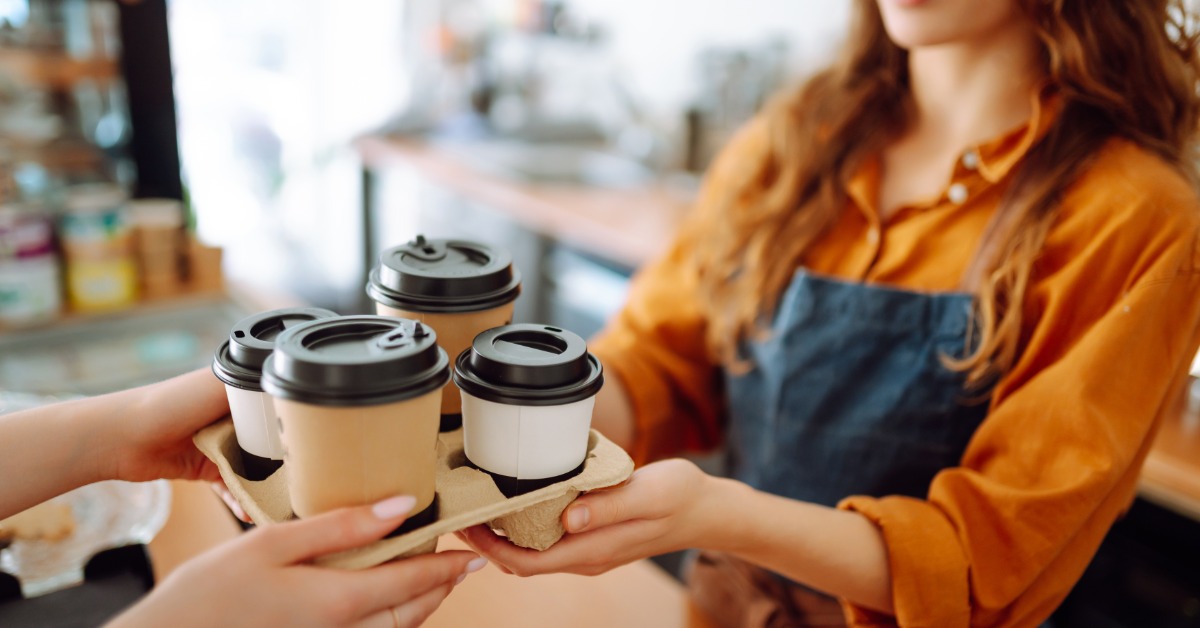
The lid doesn't work in isolation. The cup it sits on directly affects how well the seal holds up. When a lid and cup come from the same manufacturer or product line, they're designed as a matched set. The tolerances are tighter, the fit is more consistent, and the seal performs the way it should under real-world conditions.
When you mix and match lids and cups from different sources, you introduce variables that can quietly compromise the seal. A lid built for one cup diameter might sit slightly too high or too low on a different brand's cup, and that small difference in fit can turn a reliable lid into a leaky one. The takeaway is pretty simple: your lid and cup choices should always go hand in hand.
What Happens When Lid Seals Fall Short
A poor lid seal creates problems that spread fast through your operation. The most immediate one is a spill, and spills during delivery or transit damage more than just the drink. They soak through bags and reach customers in ways that are hard to shake. One bad experience with a leaking cup can push a repeat customer toward a competitor.
Beyond spills, a weak seal affects the drink itself. Hot beverages lose heat faster when steam escapes through a poorly fitted lid. Cold drinks absorb ambient heat more quickly when the seal isn't tight. Carbonated beverages go flat faster when CO2 has even the smallest way to escape.
In each case, the customer gets a drink that doesn't match what they ordered, and they associate that disappointment with your business. The lid is often the last thing you think about, but it's frequently the first thing a customer experiences.
The Real Cost of a Leaky Lid
The financial side of poor lid quality is easy to overlook until you start adding it up. Remade drinks and refunds cost money every time they happen. Negative reviews that mention messy packaging or spilled orders can drag down your ratings on delivery platforms and steer new customers elsewhere.
There's also the cost of lost trust. Customers who have a bad experience don't always complain directly. They just stop ordering. Investing in high-quality lids upfront costs far less than replacing the revenue that walks out the door when someone decides your packaging can't be relied on.
How to Choose the Right Lid for Your To-Go Drinks
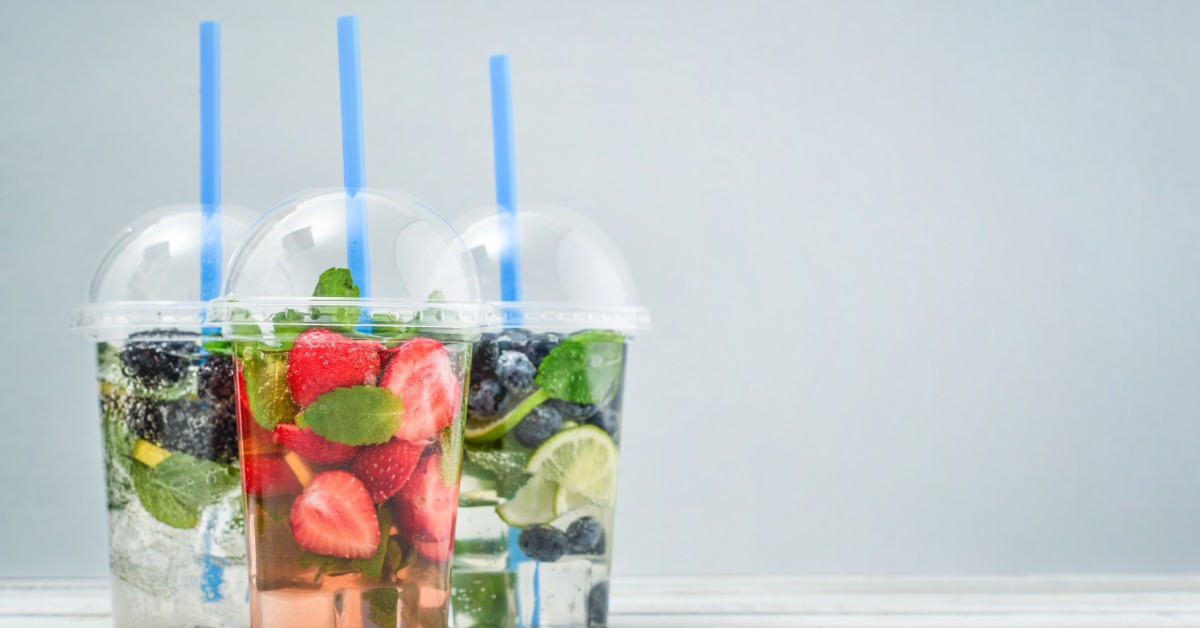
Choosing the right lid starts with understanding your drink menu and what you're asking your packaging to do. A self-service soda fountain has different needs than a smoothie bar. A coffee shop running a delivery program has different priorities than a juice counter serving drinks in-house. Choosing the right lid for your needs is the surest way to get a reliable seal.
When you source cups and lids from a trusted supplier, you gain access to product knowledge that removes the guesswork from the process. Businesses that order wholesale PET cups often find that their supplier can point them toward compatible lids that fit right out of the box. That kind of guidance saves time and skips the trial-and-error that comes with buying components from different sources without checking for compatibility.
Matching Lid Style to Your Drink Menu
Different drinks require different lid styles, and each has its own sealing requirements. Here's a quick breakdown of common lid types and where they work best:
- Dome lids are a great fit for blended drinks and smoothies, as well as any beverage topped with whipped cream or foam. Their height allows toppings to sit without crushing them, and their wide-grip rim creates a firm seal around the cup.
- Flat lids with a straw slot are the standard choice for fountain drinks and iced teas. The straw slot should grip the straw tightly without leaving open space around it.
- Sipper lids are suitable for hot beverages like coffee and tea. A well-designed siphole directs liquid flow and minimizes dripping.
- Vented lids are built specifically for hot drinks that need to release steam gradually. A proper vent prevents pressure buildup while keeping the seal intact everywhere else.
Pairing the right lid with the right drink helps prevent seal failures and keeps customers happy from the very first sip. When customers notice that their drinks arrive perfectly sealed and mess-free, it builds trust in your brand.
Get the Lid Right, and the Rest Follows
Every detail in your to-go packaging shows how much you care about your product and your customers. Why lid seal quality matters for to-go drinks comes down to something pretty simple: a drink that arrives in great condition tells your customers that you take their experience seriously. A drink that spills or gets cold before it's even opened sends a very different message.
Take a look at your current lid and cup pairing, and reach out to KEVIDKO for guidance when needed. The right combination is out there, and your customers will notice the difference when you find it.
Recent Posts
-

Common Mistakes When Switching To-Go Containers
Changing takeout packaging can seem like a simple purchasing decision. In practice, a new container …Sep 2nd 2026 -
8 Ways Aluminum Foil Packaging Improves Food Quality
Food quality depends on more than ingredients and preparation. The packaging a restaurant, café, cat …Aug 31st 2026 -

What To Expect When Ordering Custom Catering Boxes
Catering packaging must do more than hold food. It must support transport, presentation, organizatio …Aug 25th 2026