
Why Compartment Containers Improve Meal Prep
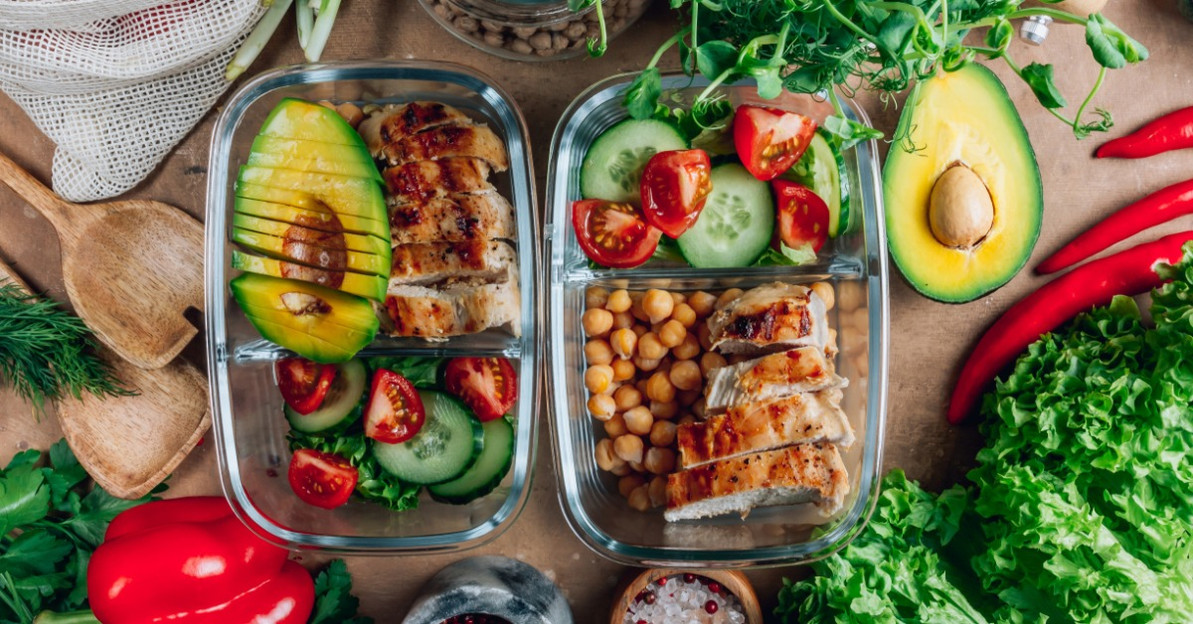
Meal prep can make foodservice operations more predictable, but packaging plays a major role in whether prepared meals reach customers in good condition. A container that works well for a single entrée may not provide enough separation for meals with sides, sauces, or contrasting textures. Compartment containers improve meal prep by giving each part of the meal its own space.
For restaurants, cafés, catering businesses, and other foodservice operations, that separation can improve both preparation and presentation. Staff can assemble meals more consistently, while customers receive food that looks orderly and delicious.
Keep Meal Components Separate
Many prepared meals combine foods with different textures and moisture levels. A grilled entrée may sit beside vegetables, rice, pasta, or another side dish. When everything shares one open container, sauces and moisture can spread across the meal.
Compartment containers create physical barriers between those foods. Separation helps keep crisp items away from wet ingredients and prevents sauces from covering plain components. The result is a meal that more closely resembles its original assembly.
Protect Texture and Consistency
Texture can change quickly when hot, moist, or sauced foods encounter other ingredients. Fried items can soften, bread can absorb liquid, and side dishes can lose their distinct character.
Using separate sections gives each component more protection during holding and transportation. While packaging cannot stop every change that occurs after preparation, it can reduce unnecessary mixing and help preserve the intended eating experience.
Make Meal Prep More Organized
Compartment containers improve meal prep because they support a repeatable process. When workers know exactly where each component belongs, they can assemble orders with less guesswork. Businesses purchasing bulk to-go containers can also standardize packaging across recurring meal combinations, making it easier for employees to follow the same packing process from one order to the next.
This structure can be especially useful during busy service periods. Instead of deciding how to arrange every meal individually, staff can follow an established layout based on the container's compartments.
Create a Clear Assembly Routine
A three-compartment container, for example, might dedicate the largest section to an entrée and the smaller sections to sides. A two-compartment format may work better for an entrée-and-side combination.
The specific arrangement depends on the menu, but consistency matters. A clear packing routine can help kitchens move prepared meals from the production line to storage, pickup, or delivery with fewer unnecessary decisions.
Support More Consistent Portions
Portion control affects food costs as well as the customer's experience. When employees pack meals into a completely open container, the amount of space available can make portions appear inconsistent.
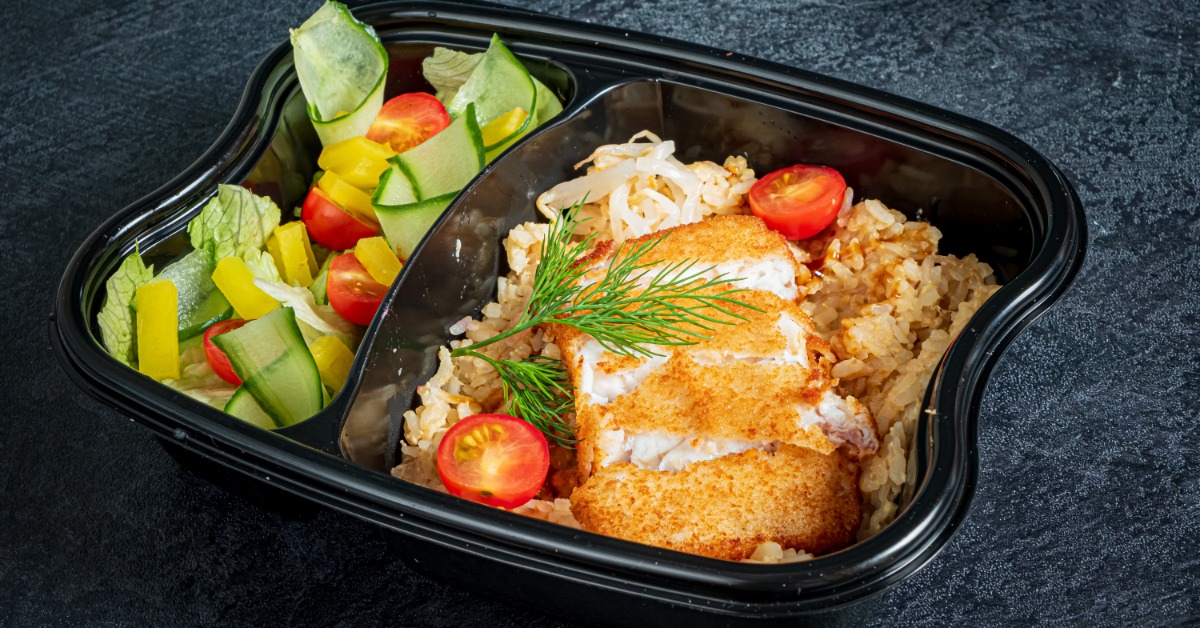
Compartments provide useful visual boundaries. Staff can see how much space each food occupies, which makes it easier to follow established serving sizes without relying only on appearance.
Reduce Accidental Overfilling
An oversized portion may seem generous, but repeated overfilling can increase ingredient costs and create packaging problems. Containers may become difficult to close, foods may shift during transport, and presentation can suffer.
Defined sections give employees a practical reference point during assembly. They do not replace proper portioning tools or kitchen standards, but they support a more consistent packing process.
Improve Presentation for Takeout and Delivery
Customers judge food before they take the first bite. When a takeout container opens to reveal mixed ingredients or a sauce spread across every component, the meal may appear less appealing than it did when it left the kitchen.
Compartment containers help maintain visual organization. Each portion stays in its assigned area, which can make the overall meal look cleaner and more deliberate.
Give Every Menu Component Its Own Space
This benefit matters for colorful meals, combination plates, lunch specials, and other dishes built around several distinct components. The packaging creates a natural frame around each part of the meal.
Restaurants can use that structure to make takeout presentation more consistent with dine-in plating. While a disposable container cannot duplicate a plate exactly, thoughtful separation can create a more polished appearance.
Simplify Grab-and-Go Meal Programs
Prepared meal programs require packaging that works from production through purchase. Employees may assemble meals hours before a customer selects them, so the container must support refrigeration, display, handling, and transportation as appropriate for the product.
Compartment containers can make these programs easier to organize because each package follows a recognizable format. Staff can prepare recurring combinations in advance and arrange them neatly in refrigerated displays or pickup areas.
Make Meals Easy To Identify
Clear organization inside the package can also help employees and customers understand what a meal includes. Distinct sections showcase separate components without having to stack them together.
For businesses offering several meal combinations, this can make display areas feel more orderly.
Reduce Mixing During Transportation
Takeout and delivery orders experience movement that plated meals never encounter. Containers may tilt in a bag, shift inside a delivery vehicle, or travel several blocks by hand before reaching the customer.
Compartments cannot eliminate movement, but their internal dividers restrict how far individual foods can travel. This can help keep a side dish from sliding directly into an entrée or spreading throughout the entire package.
Pair Compartments With Secure Lids
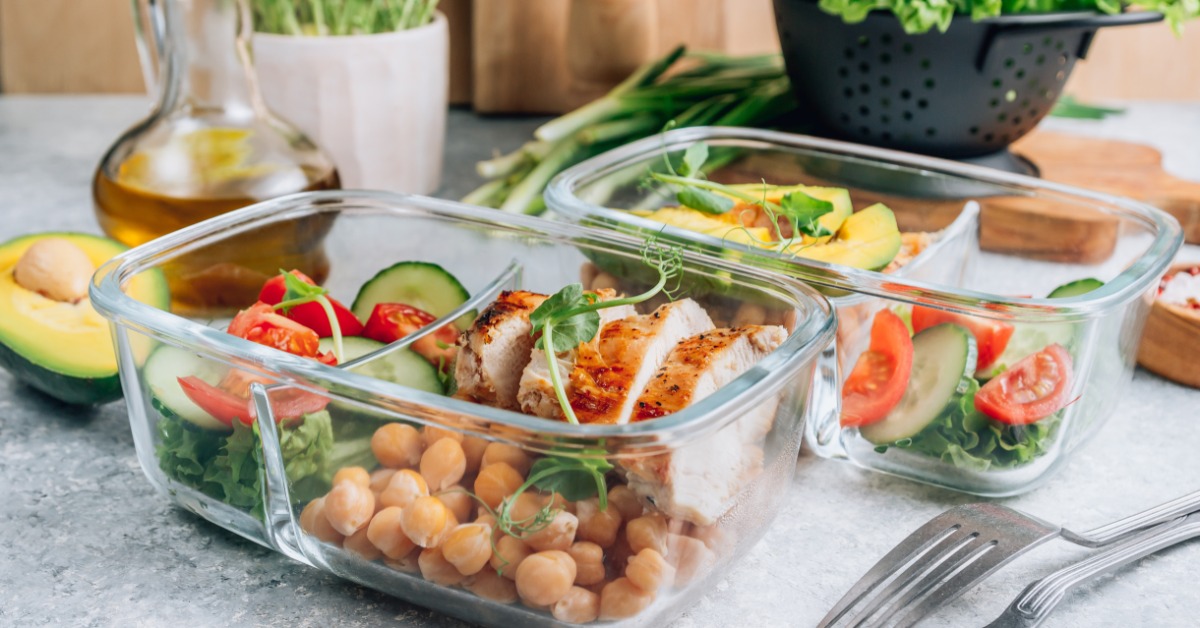
The container itself is only one part of effective takeout packaging. A secure, compatible lid helps keep the food secure and protect it during handling.
Foodservice operators should consider how the complete container-and-lid combination performs with their menu. Proper sizing matters, too. A container that matches the quantity of food leaves less unnecessary space for ingredients to shift.
Match the Container to the Menu
Not every meal needs several compartments. Choosing the right format starts with reviewing the foods you serve and identifying which components benefit from separation.
Meals with an entrée and two distinct sides may work well in a three-section design. Simpler combinations may need only two areas, while some foods perform best in a single-compartment container.
Consider Food Type and Serving Size
Operators should evaluate the size, temperature, moisture level, and texture of the foods they plan to package. A large protein may require more room than a side dish, while a sauced item may need enough space to prevent overflow.
Help Streamline Packaging Inventory
Using a small number of versatile compartment styles can simplify purchasing and storage. Instead of stocking a different package for every menu item, businesses can use one format across several meal combinations.
This approach can reduce complexity in storage areas and make restocking easier. Employees also spend less time searching for the correct package when several menu items share compatible containers.
Build a Better Meal Prep System
Compartment containers make meal prep easier by giving foodservice teams a clear, repeatable way to organize prepared meals. They help separate contrasting foods, support consistent portions, maintain presentation, and reduce unwanted mixing during transport.
Choosing the right configuration starts with the menu. Consider portion sizes, food characteristics, service style, and transportation needs before selecting a container.
Kevidko helps restaurants and foodservice operators simplify supply ordering with practical packaging options, flexible purchasing, and dependable support. Explore Kevidko's foodservice packaging selection to find containers that fit your meal prep, takeout, and delivery needs.
Recent Posts
-
Holiday Bakery Preorders: Package the Whole Order
Plan holiday bakery preorders with boxes, boards, bags, and a pickup routine that accounts for ever …Oct 17th 2026 -
Advantages of Round Foil Pans for Baking
Round foil pans give bakeries, restaurants, and catering businesses a convenient way to prepare and …Oct 14th 2026 -

How To Pick the Right Box for Sheet Cakes
Sheet cakes make serving large groups easier, but transporting and presenting them requires the righ …Oct 6th 2026