
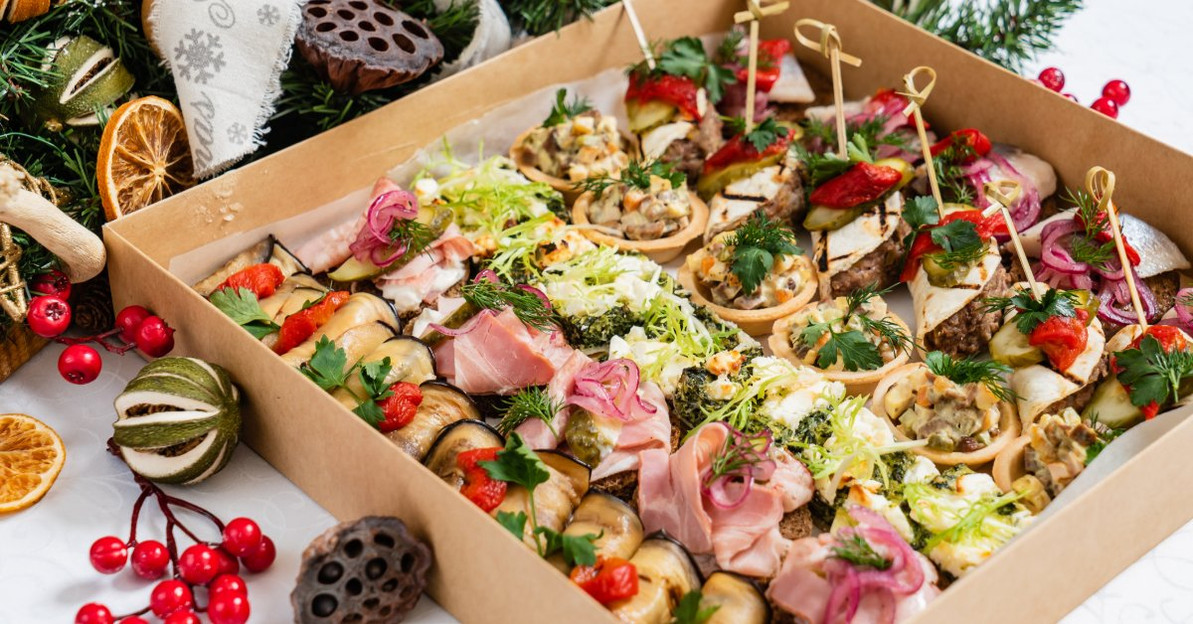
What To Expect When Ordering Custom Catering Boxes
Catering packaging must do more than hold food. It must support transport, presentation, organization, and service while helping a catering business maintain a professional image from the kitchen to the event.
Custom boxes can give operators more control over those details, but ordering them involves several decisions before production begins. Below, we’ll outline what to expect when ordering custom catering boxes, and how to choose the ideal packaging for your business.
Why Caterers Choose Custom Packaging
Standard packaging works well for many foodservice applications, but catering businesses can face requirements that are harder to meet with a one-size-fits-all product. Large orders, mixed menu items, presentation standards, and transportation needs can influence which box design makes sense.
Customization lets a business select features that better match how its team packs and delivers food. Depending on the supplier and product, that can include dimensions, construction, printing, or other specifications.
Creating a More Consistent Presentation
Catering customers experience the business beyond the food itself. Packaging becomes part of the presentation when an order arrives at a corporate meeting, private party, or large event.
A well-selected box can help the order look orderly and intentional. Custom printing may also give caterers another way to reinforce their name, logo, or other brand elements during delivery and setup.
Start With the Food and Service Format
Before discussing artwork or box appearance, consider what the packaging must do. The menu, portion sizes, packing method, transportation process, and serving setup should guide the initial specifications.
A box for individual lunches may have different requirements than one for pastries, sandwiches, or larger catering assortments. Starting with the application helps prevent unnecessary design changes later.
Consider Size and Interior Space
Dimensions are among the most important details to establish. A box that is too small can compress food or make packing difficult, while excessive empty space can allow items to shift during transportation.
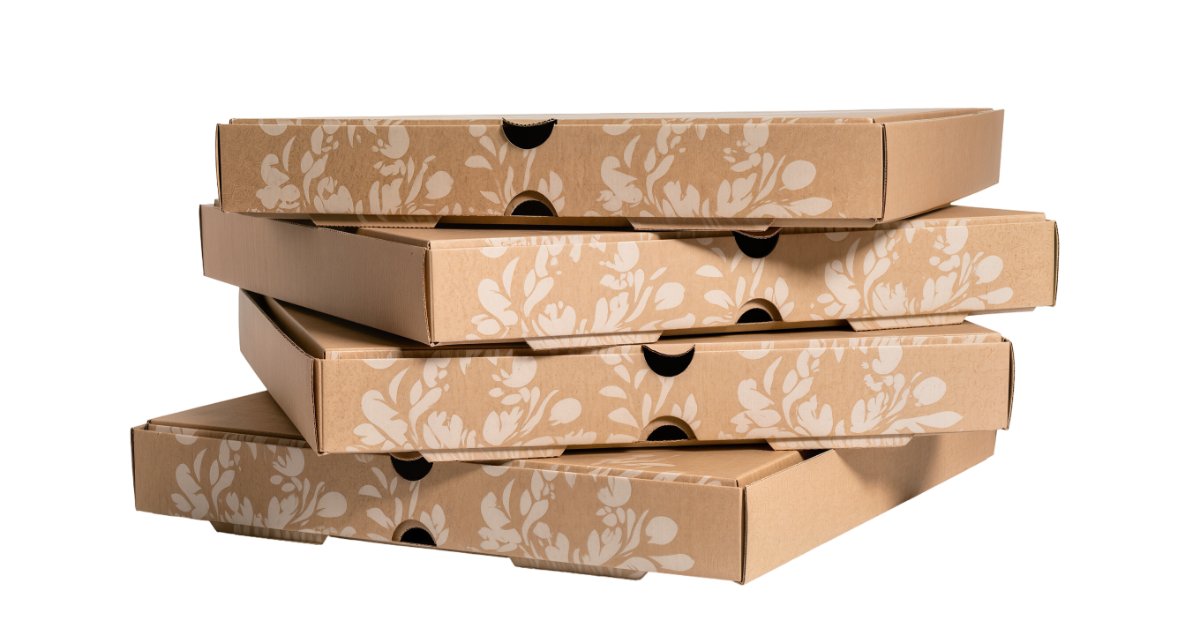
When evaluating cardboard catering boxes, consider both the dimensions of the food and any trays, liners, containers, napkins, or utensils that may travel inside them. Testing the complete order gives you a more useful picture than measuring the food alone.
Think About How Staff Will Pack Orders
Packaging should fit into your kitchen workflow without creating extra complications. Staff members need enough room to load the box efficiently, close it securely, and prepare it for pickup or delivery.
The opening style can matter as well. If employees must arrange food carefully before presentation, a box that provides easy access may simplify packing and reduce unnecessary handling.
Expect Questions About Materials and Construction
One thing to expect when ordering custom catering boxes is to answer questions about materials and construction. A packaging supplier must understand the application before recommending a suitable construction. Weight, food type, transportation conditions, and presentation requirements can all affect the type of box that works best.
Providing information at the beginning helps the supplier narrow down appropriate options. It can also reduce the chance of selecting packaging that looks right but does not perform as expected during service.
Match the Box to the Contents
Think about how much weight the package must support and how customers will handle it. A lightweight bakery assortment creates different demands than a larger catering order filled with several packaged items.
You should also consider how you will stack, store, and transport the box. Catering orders may move through several stages before reaching the customer, so the packaging needs to remain practical throughout the process.
Custom Printing Requires Preparation
Printed packaging can help a catering operation create a consistent presentation, but it adds another stage to the ordering process. Before production, you will generally need to provide artwork that meets the printer's specifications.
Prepare your logo and other graphics in the requested file format. Clear, production-ready artwork can make the review process smoother and reduce delays caused by revisions.
Keep the Design Practical
A catering box has limited printable space, and folds, handles, closures, or structural features can affect where artwork appears. A design that works well on a website may need adjustments before it works on physical packaging.
Simple branding can be highly effective. A clear logo, business name, or concise message can create recognition without making the box feel visually crowded.
Minimum Quantities May Be Different from Stock Orders
Custom manufacturing usually works differently from buying ready-to-ship foodservice packaging. Production setup can make minimum order quantities an important part of the conversation.
Ask about minimums early so you can determine whether the order volume fits your operation. This is particularly useful for smaller caterers that want custom packaging but must manage storage space and purchasing commitments carefully.
Plan for Storage Before Ordering
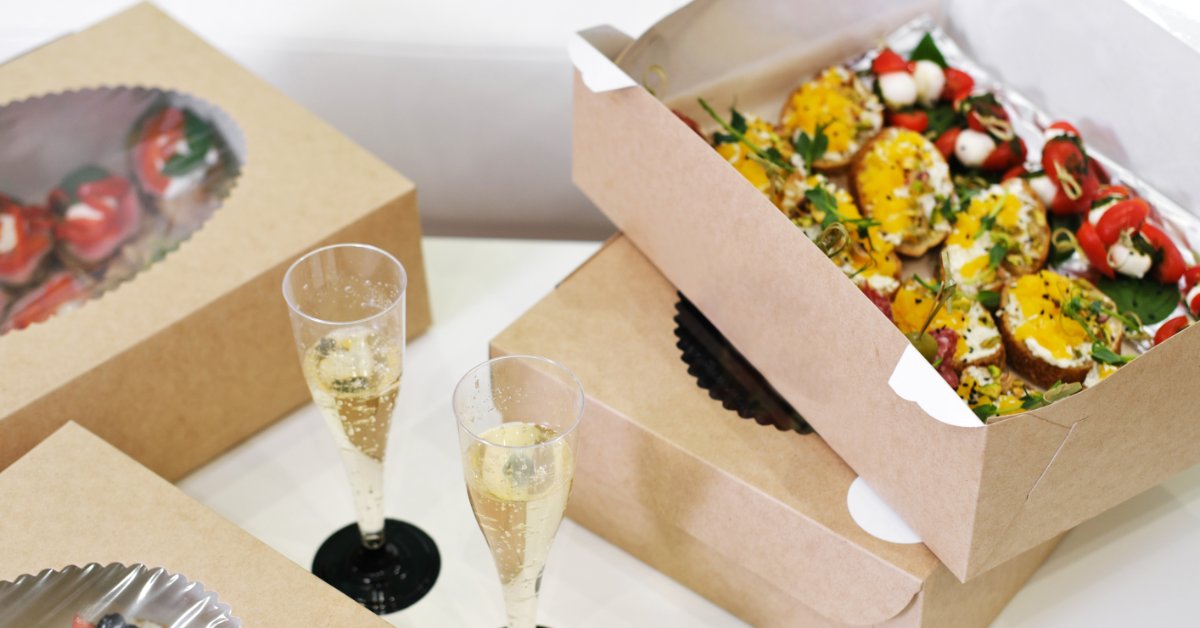
A large custom order can require considerably more storage than a case or two of standard boxes. Estimate how quickly you will use the packaging and where you will keep unopened inventory.
Consider seasonal changes as well. If catering volume rises during holidays, weddings, or corporate event seasons, ordering quantities should reflect both demand and available storage.
Production Takes More Time Than Buying Stock Packaging
Custom packaging requires production steps that do not apply to standard inventory. Discuss lead times before you commit to a launch date or major event. Building additional time into the schedule can also help protect your operation from unexpected revisions or transportation delays.
Place Orders With Future Demand in Mind
Do not wait until the remaining inventory reaches a critical level before considering a reorder. Custom products may not be available for immediate replacement.
Track usage as you move through the first order. Once you understand how quickly your team consumes the boxes, you can establish a more reliable purchasing schedule.
Samples Can Help You Make a Better Decision
Whenever available, evaluating a sample can provide useful information before you commit to a production run. Measurements on a specification sheet cannot fully show how the package will behave in a real catering environment.
Pack the sample with the actual products you plan to sell. Carry it, stack it, open it, close it, and place it in the type of vehicle or delivery setup your team uses.
Choose a Supplier That Understands Foodservice
Custom packaging involves more communication than a routine stock purchase. Working with a supplier that understands restaurants, cafés, caterers, and other foodservice operations can make the process easier to manage.
Kevidko supports foodservice businesses with packaging supplies, custom sourcing, pricing, and printing services. We combine online ordering with customer support and account representatives, giving operators access to both everyday supplies and more specialized solutions.
Prepare Before You Place Your Custom Order
Ordering custom catering packaging starts with understanding how the box will function in your operation. Size, food type, construction, artwork, quantity, storage, and production timing all deserve consideration before manufacturing begins.
A little preparation can make the ordering process more efficient and help you choose packaging that supports both service and presentation. Contact Kevidko to discuss custom sourcing, pricing, printing, and foodservice packaging options for your catering operation.
Recent Posts
-

Common Mistakes When Switching To-Go Containers
Changing takeout packaging can seem like a simple purchasing decision. In practice, a new container …Sep 2nd 2026 -
8 Ways Aluminum Foil Packaging Improves Food Quality
Food quality depends on more than ingredients and preparation. The packaging a restaurant, café, cat …Aug 31st 2026 -

What To Expect When Ordering Custom Catering Boxes
Catering packaging must do more than hold food. It must support transport, presentation, organizatio …Aug 25th 2026