
The Complete Guide to Catering Box Meal Presentation
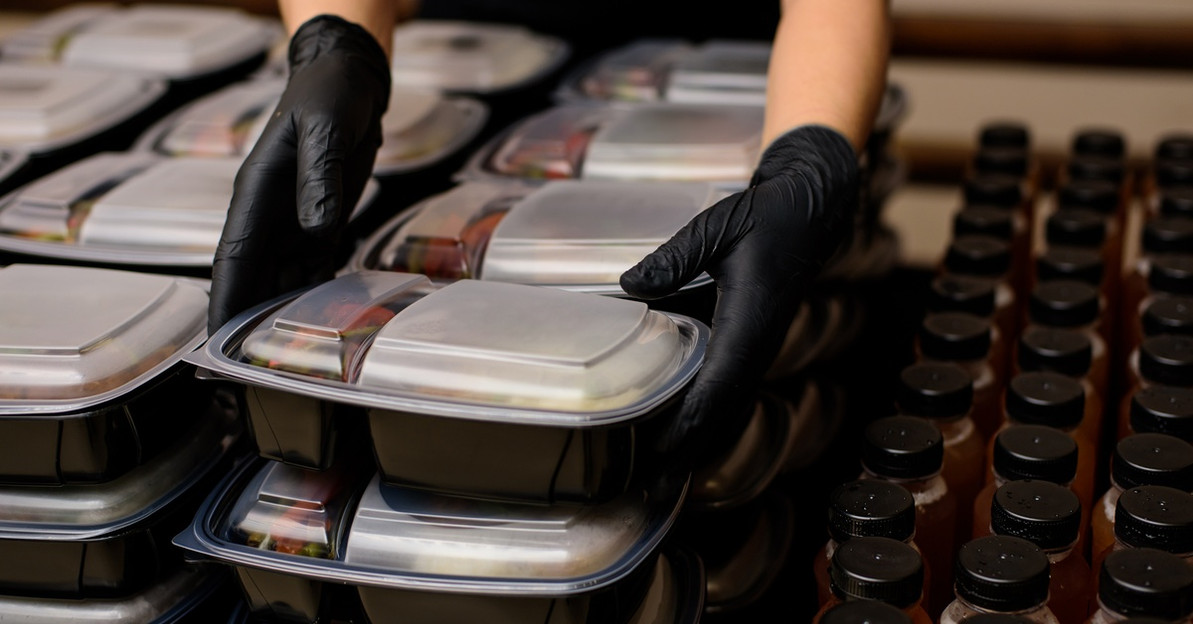
Whether you're feeding 50 guests at a corporate luncheon or delivering meals to a private wedding reception, presentation matters just as much as the food itself. The complete guide to catering box meal presentation covers everything your catering company needs to know to elevate the way your meals look, travel, and arrive at the table. When guests open their meal boxes, that first visual impression sets the tone for the entire dining experience and reflects directly on your brand.
Why First Impressions Matter in Box Meal Catering
Your guests begin forming opinions about their meal the moment your crew places it in front of them. The visual presentation of a box meal sets expectations for quality and freshness and shapes the overall experience. A thoughtfully arranged meal with clean packaging and intentional design communicates professionalism and attention to detail.
For catering companies, the unboxing moment is a critical touchpoint in the customer journey and an opportunity to reinforce your brand while demonstrating the care that went into preparation. Details such as organized compartments or clearly labeled items can elevate perceived value without changing the food itself.
Clients don’t just remember the taste. They remember how their guests reacted when opening their meals, and that reaction often shapes their level of satisfaction. It also plays a major role in whether they rebook or recommend your services. By investing in presentation, you improve how your meals look while also strengthening your reputation and helping your business stand out in a competitive catering market.
Choosing the Right Box for the Job
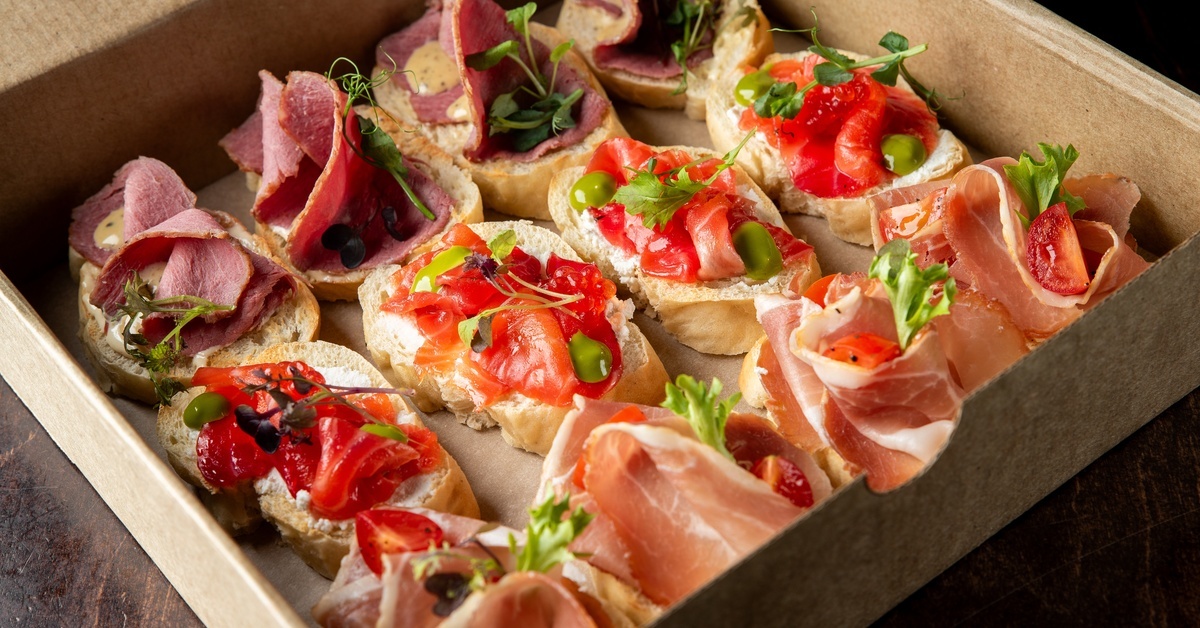
The box itself sets the tone for your presentation. Even a carefully prepared meal can lose its appeal when served in the wrong container. When choosing boxes, consider how much food you are serving and how far it needs to travel before it reaches the guest.
A box that is too large allows items to shift during transport, potentially disrupting the arrangement before your guests open their lids. One that is too small can press down on delicate items or lead to overpackaging. The goal is to find a container that fits the meal comfortably and keeps everything in place without putting pressure on the food.
The material you choose also plays an important role. A sturdy, food-safe container holds its shape during stacking and transport, helping the meal arrive as intended. Many catering businesses also choose compostable options, which appeal to clients who value sustainability and reflect positively on the brand. Kevidko offers a wide range of catering delivery boxes designed to keep meals secure and well-presented from the kitchen to the table.
How to Arrange Food for Maximum Visual Appeal
Thoughtful food arrangement can turn a simple box meal into something guests feel excited to open. Begin with the largest component, which is usually the protein, and place it first. This creates a clear starting point and helps guide the placement of everything else.
Adding a sense of height can make the meal feel more dynamic and appealing. Slightly elevating items like roasted vegetables or grains draws attention and gives the box a fuller appearance. When everything is pressed flat, the presentation can feel dull and less inviting.
It is also important to keep texture in mind as you arrange the meal. Wet and dry components should be separated when possible, so nothing loses its intended quality before it is served. Placing sauces in small containers or keeping them to one side helps maintain the integrity of each item and ensures the meal arrives in its best condition.
Using Color and Garnish to Elevate Your Meals
Color plays a major role in how appetizing a meal looks at first glance. When a box contains mostly beige or brown tones, it can feel dull even if the food itself is excellent. Adding fresh, vibrant elements makes the meal more visually appealing and helps create a stronger first impression.
Here are a few simple ways to introduce more color and visual interest into your box meals:
- Place a small amount of fresh herbs, such as parsley or cilantro, on top to bring in a bright green accent.
- Include a wedge of citrus fruit that adds both color and a fresh burst of flavor.
- Incorporate vegetables with bold hues, such as roasted red peppers or cherry tomatoes, to liven up the presentation.
- Add seeds or chopped nuts to salads and grain bowls to add contrast and texture.
- Finish a dessert or fresh salad with an edible flower for a subtle, polished touch.
Small details like these can make a noticeable difference. Guests often notice the extra care, and that attention helps reinforce the quality and thoughtfulness of your catering service.
Labeling and Branding Your Boxes
A well-branded box improves the guest experience by making meals easy to identify and visually consistent. Clear labeling helps guests quickly identify their specific meals, especially at events with multiple dietary options. Including the meal name along with key allergen information ensures guests feel confident about what they’re eating.
Labeling also gives you the chance to strengthen your branding. A clean, thoughtfully designed label that features your logo turns each box into a subtle marketing tool. When guests enjoy their meal, they begin to associate that positive experience with your brand. Some may capture and share the moment on social media, extending your reach beyond the event itself.
Using the same label design across all packaging helps create a more recognizable and cohesive brand presence. Kevidko offers a range of label options and packaging accessories to help your company deliver a polished, cohesive look with every order.
Keeping Food Fresh from Kitchen to Guest
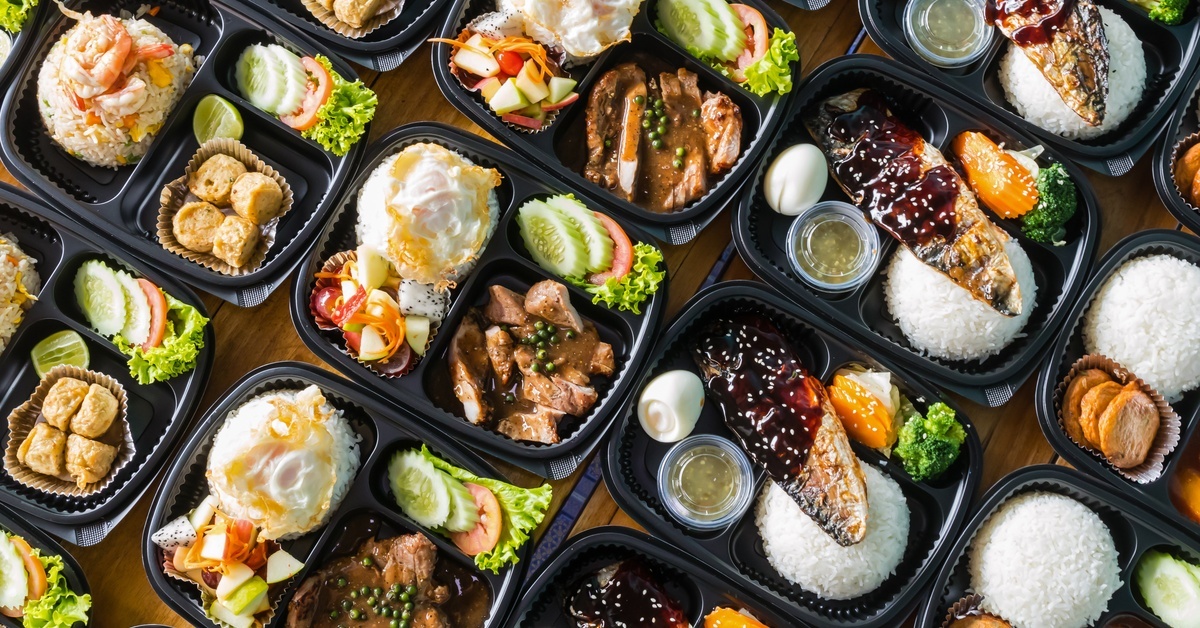
Presentation means very little if the food arrives at the wrong temperature or loses its quality during transport. Temperature control should remain a top priority throughout the entire delivery process.
Insulated bags and thermal carriers help maintain hot or cold temperatures from the moment the box leaves your kitchen. For cold items, place a small ice pack beside the box without disturbing the arrangement inside. For hot dishes, wrap your insulated carriers tightly to trap heat and prevent steam from making the packaging soggy.
Pack boxes as close to the delivery window as possible. The longer food sits in a closed container, the greater the chance that condensation or texture changes will affect the presentation. Communicate clear pickup and delivery timelines to your team so that every order arrives at its absolute best.
Raising the Standard for Every Delivery
A great box meal presentation comes from making smart packaging choices and arranging food with intention. It also depends on how you use color and how well each meal holds up during transport. When these details come together, they create an experience that leaves a strong first impression on both clients and their guests.
The complete guide to catering box meal presentation provides a clear approach to improving your process and delivering meals that look as good as they taste. Paying attention to the details helps you build a reputation that encourages repeat business and word-of-mouth referrals.
Kevidko is here to support your catering company with the supplies you need to keep every delivery looking polished and professional. From sturdy containers to finishing touches, the right tools make it easier to present every meal with confidence.
Recent Posts
-

The Complete Guide to Managing Bakery Box Inventory
Running a successful bakery requires considering all the details, including packaging and delivery b …Aug 20th 2026 -

How To Reduce Spills Using Secure To-Go Containers
Spills can turn a carefully prepared take-out order into a costly customer service problem. Leaking …Aug 19th 2026 -
Pros and Cons of Domed vs. Flat Lids for Drinks
The lid on a cold drink may seem like a small detail, but it can shape how customers carry, enjoy, a …Aug 17th 2026