
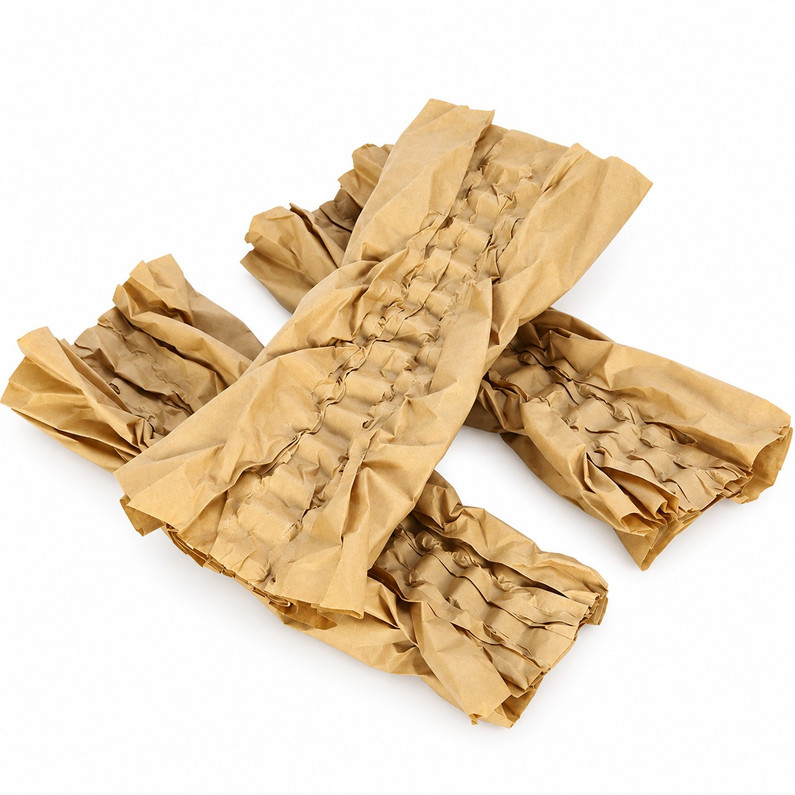
Paper Cushioning Pads: How to Pack Fragile Orders
A mug, glass jar, or ceramic gift needs more than an empty shipping box. The packing material has to support the item and keep it from moving into the carton walls or another product. Paper cushioning pads give you a ready-to-use material you can position around the contents without setting up a converting machine at your packing station.
Here is how to evaluate them for your orders, work out quantities, and turn a successful test pack into a repeatable routine.
What are paper cushioning pads?
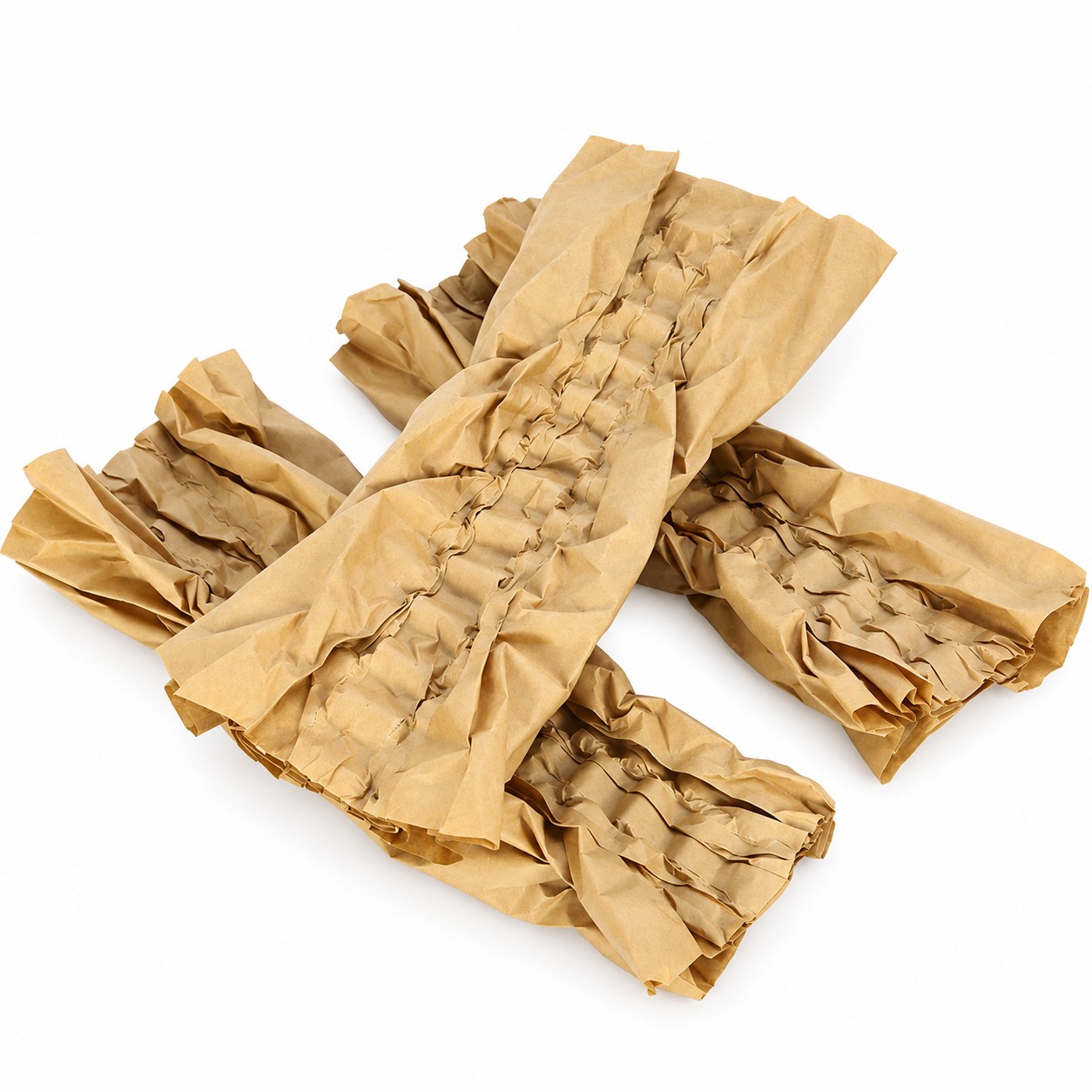
Paper cushioning pads are pieces of paper that have already been formed into a bulky shape for packing. You can bend or fold them to line a carton, separate products, and fill open space around an item.
Solex PaperCloud pads come precut to 18 inches long, with 100 pads per case. That is 150 linear feet of finished cushioning. The 18-inch measurement describes the pad length.
We form and cut PaperCloud at our own U.S. facilities using our own paper-converting machines. You receive finished pads that are ready to use, with no machine to buy or operate. Our on-demand production does not require an extended manufacturing lead time; shipping and delivery timing are separate.
Start with one representative order
Choose an order you pack regularly, such as one mug or a pair of jars. Use its normal shipping carton and contents. A successful method for that order gives you a starting point; a heavier product or a different box may need a different packing arrangement.
- Choose the carton around the complete pack. Allow room for cushioning beneath, beside, and above the item. A box that barely fits the product leaves little room for protection.
- Support and separate the contents. Position pads beneath and around each item. Keep fragile surfaces away from the carton walls and prevent products from touching one another. Pay particular attention to handles, rims, and other vulnerable parts.
- Check the finished arrangement. Fill remaining gaps so the contents do not move freely. Close the carton without forcing the flaps down onto the product. Then evaluate the complete package under the handling and shipping conditions it will encounter.
These steps help you develop a pack; they do not establish a universal pad count or guarantee protection. Follow your carrier's requirements for fragile items and test the complete package before using it routinely. Some products need additional wrapping, dividers, or a different protective system.
How many shipments will a case cover?
Once you have a tested method, count the pads it uses. Divide 100 by that number to estimate the complete packs available from a case.
| Pads per tested pack | Complete packs per case |
|---|---|
| 2 | 50 |
| 4 | 25 |
| 5 | 20 |
These are quantity calculations, not packing recommendations. To estimate cushioning cost per order, divide your case price by 100, then multiply by the pads used. Include the carton, tape, labor, and shipping separately when comparing your total packing cost.
Make the method easy to repeat
Photograph the successful pack before closing it. Record the carton size, pad count, placement, and any additional protective materials. Keep that reference at the packing station so the next person can follow the same arrangement.
Use actual order volume to plan replenishment. For example, 60 weekly orders using four pads each require 240 pads, or 2.4 cases. Three cases supply those orders with 60 pads left over. Adjust your reorder point for delivery time, stock already on hand, and changes in order volume.
Complete your packing station
Start with Solex PaperCloud 18-inch paper cushioning pads, 100 per case, then match the rest of the supplies to your tested pack:
- Corrugated shipping boxes in the size your finished pack needs.
- Packing tape for sealing the carton.
- Warehouse and shipping labels for identifying outgoing orders.
For a broader supply list, explore our warehouse and shipping supplies guide. If you need help finding a packaging item, contact the KEVIDKO team with your product dimensions, order volume, and current packing setup.
Recent Posts
-
Holiday Bakery Preorders: Package the Whole Order
Plan holiday bakery preorders with boxes, boards, bags, and a pickup routine that accounts for ever …Oct 17th 2026 -

Advantages of Round Foil Pans for Baking
Round foil pans give bakeries, restaurants, and catering businesses a convenient way to prepare and …Oct 14th 2026 -

How To Pick the Right Box for Sheet Cakes
Sheet cakes make serving large groups easier, but transporting and presenting them requires the righ …Oct 6th 2026