
Foil vs Cardboard Catering Boxes for Takeout
When you run a restaurant or catering operation, packaging decisions carry more weight than most people realize. The right container keeps food at the correct temperature, holds up well during transport, and tells customers something about your brand. When it comes to foil vs. cardboard catering boxes for takeout, both options offer real advantages, and the best choice often depends on what you serve and how you deliver it. This guide breaks down both materials so you can match the container to your meal and deliver quality meals to your customers.
What Foil Takeout Containers Do Well
Aluminum foil containers have earned their place in professional kitchens for good reason. They handle heat in ways that cardboard simply cannot match, and for many foodservice operations, that thermal performance is the deciding factor. In addition to temperature control, their sturdy construction helps prevent leaks and protects heavy foods during transit.
Heat Retention and Oven Compatibility
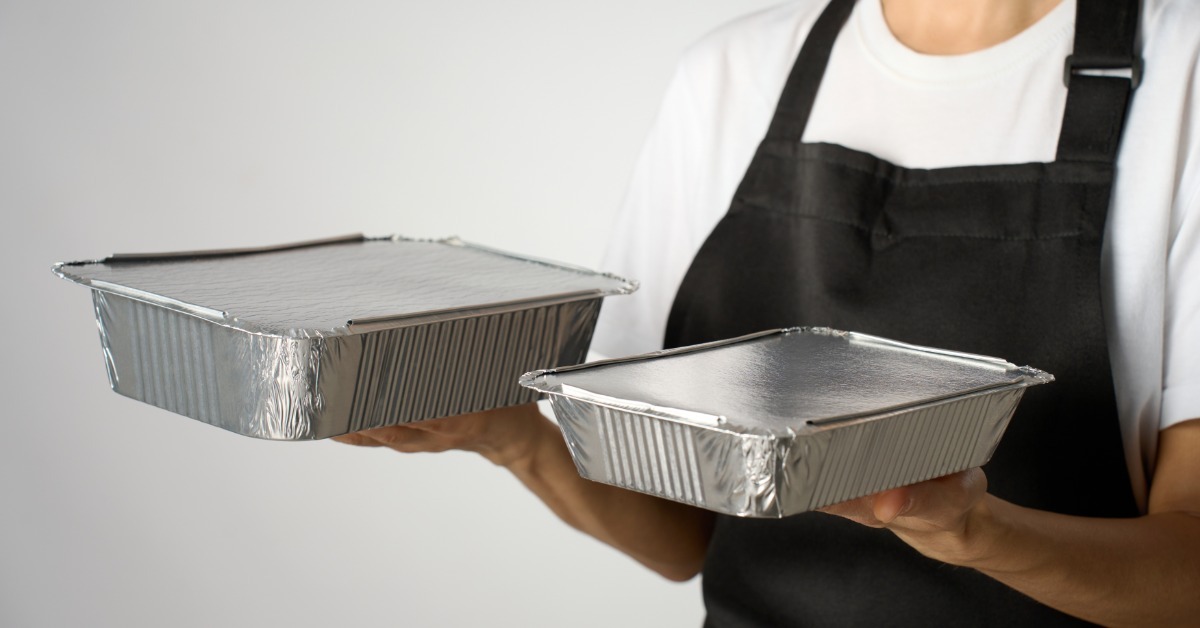
Foil containers conduct and retain heat efficiently, so food stays warmer longer during delivery or pickup. More importantly, foil goes directly from the freezer to the oven without any container swap. Caterers who prepare meals in advance and reheat them on-site find this especially useful because it reduces prep time and the risk of spills during transfer.
Foil also works with conventional and convection ovens as well as steam equipment, so it fits into nearly any kitchen setup without issue. This versatility allows chefs to streamline operations by using a single type of container for multiple stages of food preparation and service. Additionally, foil containers can withstand rapid temperature changes, making them ideal for reheating and serving without compromising food quality.
Moisture Control and Food Integrity
Foil creates a tight barrier against moisture loss, so roasted meats, casseroles, and saucy dishes arrive as you intended. Cardboard absorbs grease and moisture over time, which can weaken the container and affect food quality. This superior moisture control also helps preserve the flavors and textures of foods that are best enjoyed hot and freshly prepared.
For heavy or liquid-rich dishes, foil holds its structure throughout the entire delivery window. Aluminum also reflects heat back toward the food rather than absorbing it, which gives foil a clear advantage in temperature-sensitive situations. Foil containers are especially useful for catering events where dishes are held at serving temperature for extended periods before guests arrive.
Where Cardboard Catering Boxes Shine
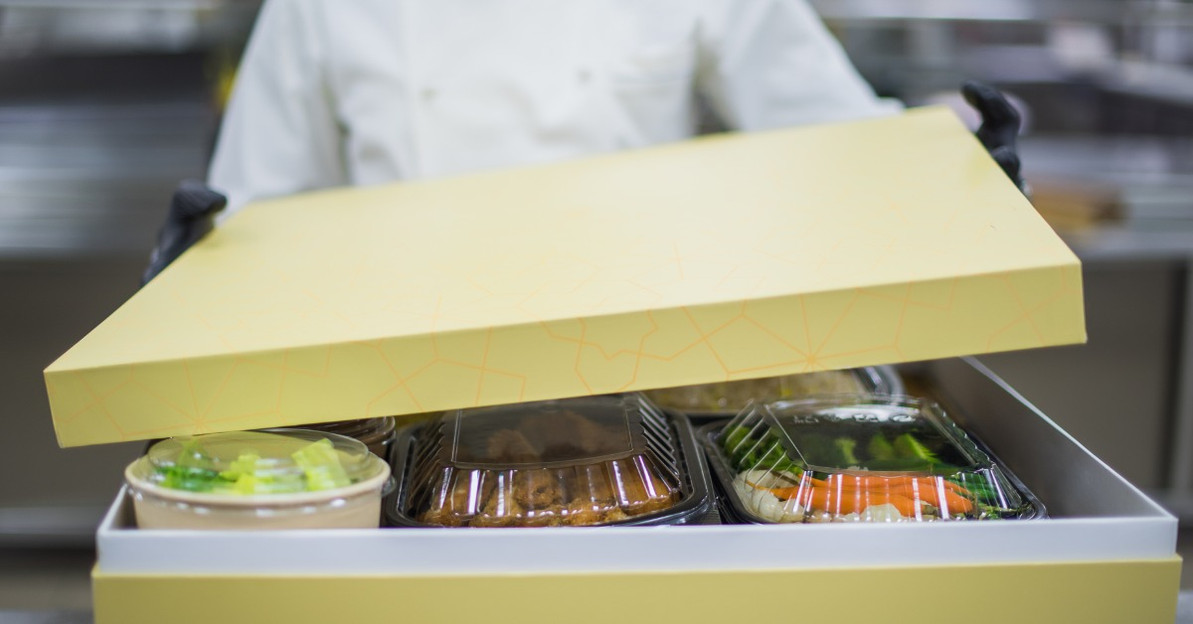
Cardboard catering containers have their own strengths, making them a great fit for certain menus and service styles. Businesses that prioritize branding or sustainability often find cardboard the more practical choice, and it works especially well for dry food items. Cardboard boxes are also typically lighter than foil, making them easier to stack and transport in bulk for large events.
Presentation and Customization Options
Cardboard is easier to print on than foil, making it ideal for custom branding and messaging that you can add directly to each container. For businesses that treat packaging as a marketing touchpoint, printed cardboard boxes create a more polished, intentional experience.
Many customers associate matte or kraft cardboard with eco-conscious values, so the packaging itself conveys your business's values from the first interaction. This kind of visual impression is especially valuable in competitive markets where first impressions really count.
Cardboard is also the preferred option for items that require breathability. Fried foods, for example, can develop condensation in a sealed foil container, and that moisture quickly softens their crispy texture.
Cardboard allows a small amount of steam to escape, which helps maintain the texture of foods like fries or breaded chicken through short delivery windows. Because cardboard doesn't trap condensation, it can help prevent sogginess in foods that are sensitive to excess moisture during transport.
Choosing the Right Catering Food Boxes for Your Menu
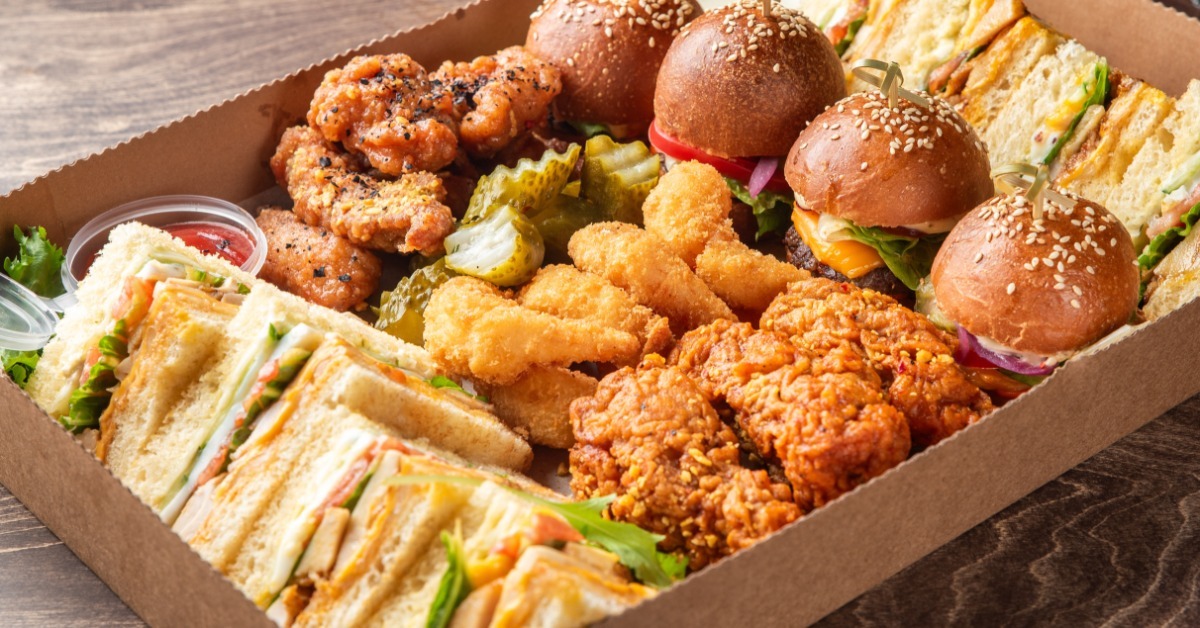
Selecting the right catering food boxes requires knowing your menu and your customer. Neither material fits every situation, and many operations use both depending on the dish. Consider these factors when making your decision:
- Food type: Wet, heavy, or oven-ready dishes favor foil; dry or crispy items often do better with cardboard.
- Delivery distance: Longer distances demand stronger heat retention, which makes foil advantageous for most hot entrees.
- Brand goals: Operations that prioritize custom printing, visual appeal, or eco-positioning lean toward cardboard.
- Volume and cost: Both materials offer economical options at scale, but foil lids and board combos can be more expensive if you need compartmentalized packaging.
- Customer expectations: Some customers connect foil trays with homestyle or traditional catering; others prefer the clean look of a cardboard box with a clear window lid.
Matching the Container to the Dish
Many caterers stock both container types and assign them to different menu items rather than committing to one option across the board. A foil tray is ideal for a lasagna or pot roast, while a cardboard box is better for a sandwich platter or pastry assortment, offering greater visual appeal. Thinking about the food rather than the container makes the decision much more intuitive.
Pay attention to lid options as well. Foil containers often pair with dome or flat foil lids, while cardboard boxes typically feature integrated or separate cardboard lids, sometimes with clear windows.
The lid affects how food travels and how it looks when the customer opens the box, so it deserves the same attention as the container itself. Choosing the right lid can also help maintain food temperature and freshness during delivery, ensuring the meal arrives in optimal condition.
Find Your Perfect Fit at Kevidko
Both foil and cardboard offer real value for catering and takeout, and the best option depends on your menu and preferred presentation. Foil reliably handles heat and moisture, while cardboard offers breathability and a cleaner look for operations where visual appeal matters.
If you’re deciding whether to stock foil or cardboard catering boxes for takeout, review your menu items and develop an ordering plan that works for your business. Kevidko carries a wide selection of both materials so you can find the right fit without compromise. Browse our website to explore all available options and place your order whenever you're ready to upgrade your catering packaging.
Recent Posts
-
What To Expect From Heavy-Duty Catering Boxes
Catering orders put packaging under pressure. A single delivery might include full trays of food, bo …Oct 23rd 2026 -
Holiday Bakery Preorders: Package the Whole Order
Plan holiday bakery preorders with boxes, boards, bags, and a pickup routine that accounts for ever …Oct 17th 2026 -

Advantages of Round Foil Pans for Baking
Round foil pans give bakeries, restaurants, and catering businesses a convenient way to prepare and …Oct 14th 2026