
How To Prevent Leaks in Aluminum Foil Containers
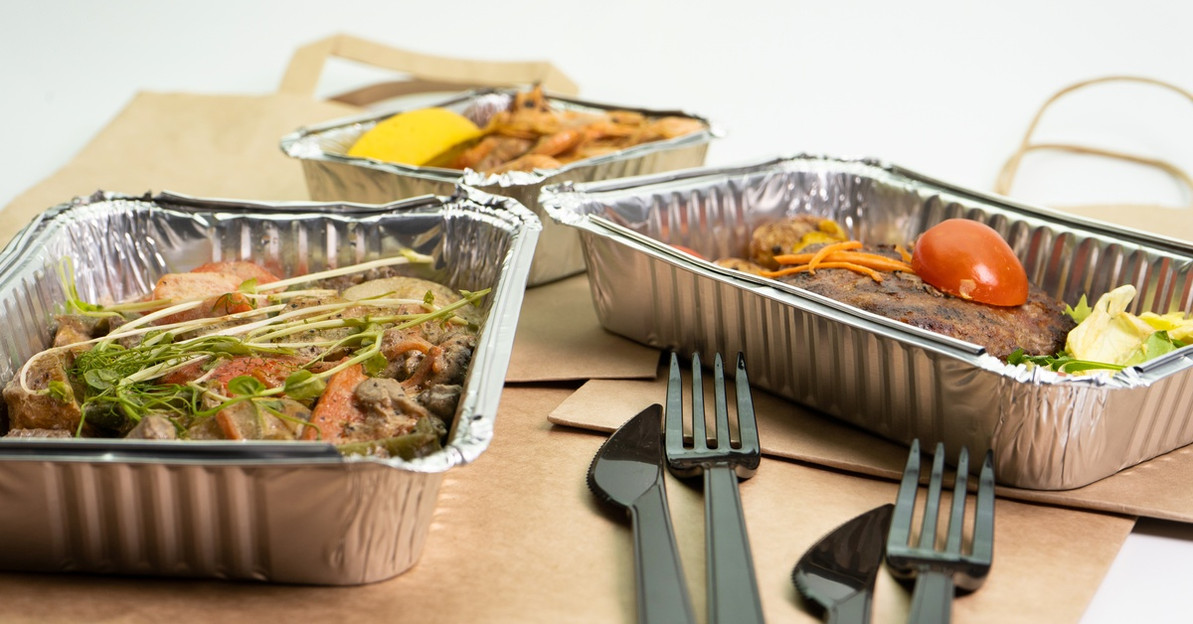
Few things frustrate a restaurant or catering team more than a leaking container. Whether you're packing up to-go orders or prepping trays for a large event, a leak can ruin food quality and leave your customers disappointed. Knowing how to prevent leaks in aluminum foil containers helps you protect your food, maintain your presentation standards, and preserve your company’s reputation.
Being proactive helps your team work more efficiently and ensures that every order you send out arrives in the condition your customers expect. Here are some practical steps to help every container stay sealed tight from kitchen to delivery.
Why Leaks Happen in the First Place
Before you can stop leaks, you need to understand what causes them. Most leaks come from a mismatch between the container and the food inside. Overfilling a container or using the wrong lid size can create pressure points that break a seal.
Stacking trays without proper support can do the same. Liquid-heavy dishes, such as soups and braised proteins, put the most stress on containers and require extra attention during packing.
When you identify where leaks happen most often in your operation, you can apply targeted solutions that reduce food waste and save your team valuable time. Regularly reviewing your packing and delivery processes catches potential issues before they become costly mistakes.
Tip One: Choose the Right Container for the Job
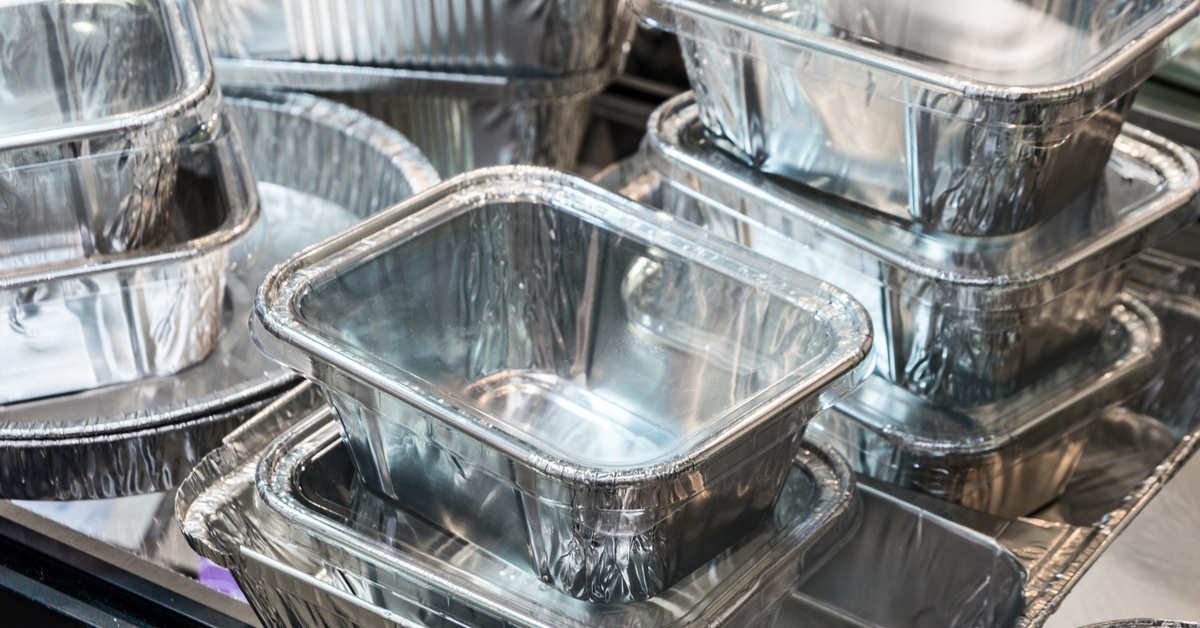
Selecting the correct container is your first line of defense against leaks. Aluminum foil containers come in a wide range of depths and sizes, so matching the container to the type of food you're serving matters. For liquid-heavy dishes, choose a deeper container with a higher rim. For drier items like roasted vegetables or baked goods, a shallower pan works well.
Paying attention to the thickness of the foil is equally important. Heavier-gauge containers hold their shape better under the weight of dense or saucy foods. When a container bends or warps, the lid can lose its tight fit, allowing leaks.
A container that maintains its shape throughout packing and transport gives you the best chance of holding a solid seal. Kevidko carries a full range of foil containers in various gauges and sizes, so you can find the right match for every dish on your menu.
Tip Two: Pair Containers with the Correct Lids
A container is only as reliable as the lid you pair with it. Always match each container with its corresponding lid, since each lid fits a specific set of base dimensions. A lid that's too large will shift during transport, while a lid that's too small will pop off under pressure.
Look for lids with a crimped or locking edge whenever possible. These lids grip the container rim more securely, reducing the risk of a seal breaking during handling. For liquid-heavy dishes, dome lids offer extra clearance above the food surface and lower the risk of spillage from contact between the food and the underside of the lid.
Tip Three: Fill Containers the Right Way
Overfilling is one of the most consistent causes of container leaks. When food fills past the intended capacity, it pushes against the lid and breaks the seal. As a general rule, leave at least 1/2 inch between the food surface and the container rim.
For liquid-heavy dishes like soups and braises, leave even more room. Hot liquids expand slightly during transport and can slosh when someone picks up or moves the container.
Filling to about two-thirds capacity gives the contents enough room to settle without pressing against the lid. Train your kitchen staff on proper fill lines to reduce leaks and food waste from spills. Establishing a clear standard for filling containers helps ensure consistency and minimize mistakes across shifts.
Tip Four: Seal Containers Correctly
Using the right sealing technique prevents a large share of packing-related leaks. After placing the lid on a container, press down firmly around the entire edge to create a complete seal. Work your way around the entire perimeter rather than pressing in one spot, as uneven pressure can leave gaps where liquid can seep.
For aluminum foil food containers without a snap-on lid, fold the foil edges down tightly along all four sides. Pull the foil snug against the container walls and double-fold the corners to close any gaps. Loose corners are a frequent weak point, so reinforce them before you stack or transport your containers.
Temperature affects how well a container seals. Allow hot foods to cool slightly before sealing when your schedule allows, since sealing a very hot container builds internal steam pressure that can push lids loose over time.
Tip Five: Stack and Transport Containers with Care
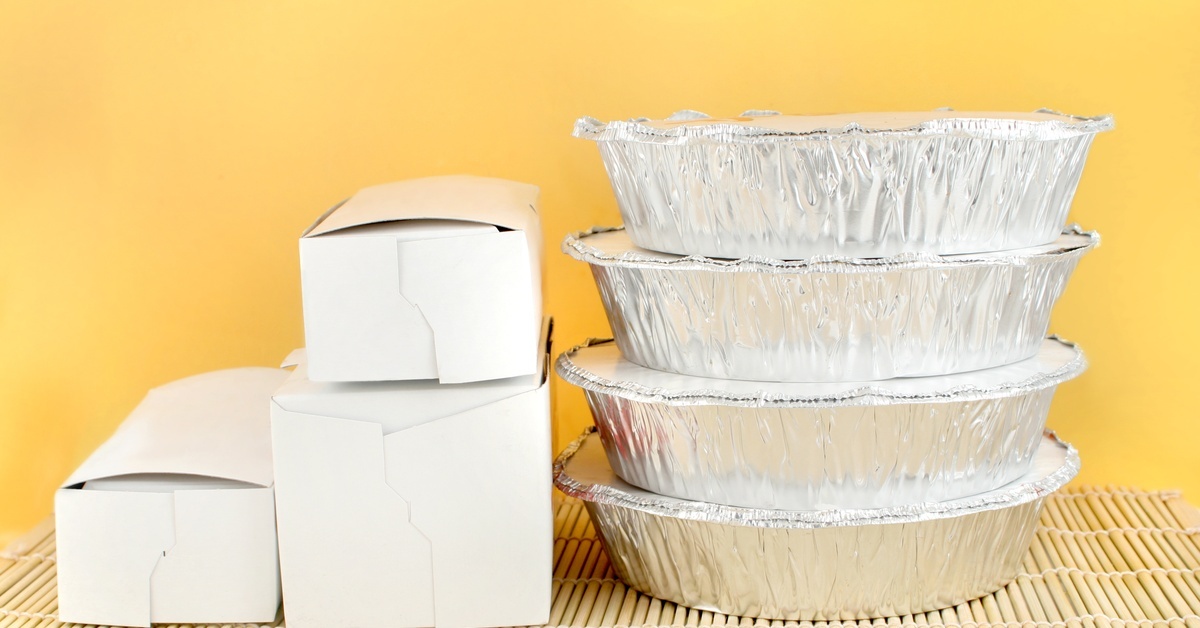
Even a correctly sealed container can develop a leak if you handle it poorly during transport. A few consistent habits during loading and delivery help protect every seal:
- Place heavier containers at the bottom of any stack and lighter ones on top.
- Avoid stacking liquid-heavy trays more than two high.
- Use sheet pan racks or catering transport bags to keep containers level and upright.
- Secure containers in your delivery vehicle so they don't shift during turns or stops.
- Perform a final lid check before you load containers for delivery.
Keeping containers level during transit reduces pressure on the seals and the risk of a spill. Non-slip mats and dividers in your delivery vehicle help trays stabilize and prevent shifting that loosens lids mid-route. When your entire team follows these habits, from prep cooks to drivers, you set a reliable standard that protects your food at every stage of service.
Keep Leaks Out of Your Kitchen for Good
A leaking container does more damage than it appears. Beyond the immediate mess, your food quality suffers, and your team loses time they can't get back. Over time, repeated leaks can erode the trust your customers place in your service.
By learning how to prevent leaks in aluminum foil containers, your team can build a reliable, repeatable system for packing and delivering food. At Kevidko, we're passionate about helping restaurants, caterers, and foodservice businesses find the right supplies to keep their operations running smoothly. Browse our full selection of foil containers and lids today and find the products that keep your food safe and secure from the kitchen to the table.
Recent Posts
-
8 Ways Aluminum Foil Packaging Improves Food Quality
Food quality depends on more than ingredients and preparation. The packaging a restaurant, café, cat …Aug 31st 2026 -

What To Expect When Ordering Custom Catering Boxes
Catering packaging must do more than hold food. It must support transport, presentation, organizatio …Aug 25th 2026 -

The Complete Guide to Managing Bakery Box Inventory
Running a successful bakery requires considering all the details, including packaging and delivery b …Aug 20th 2026