
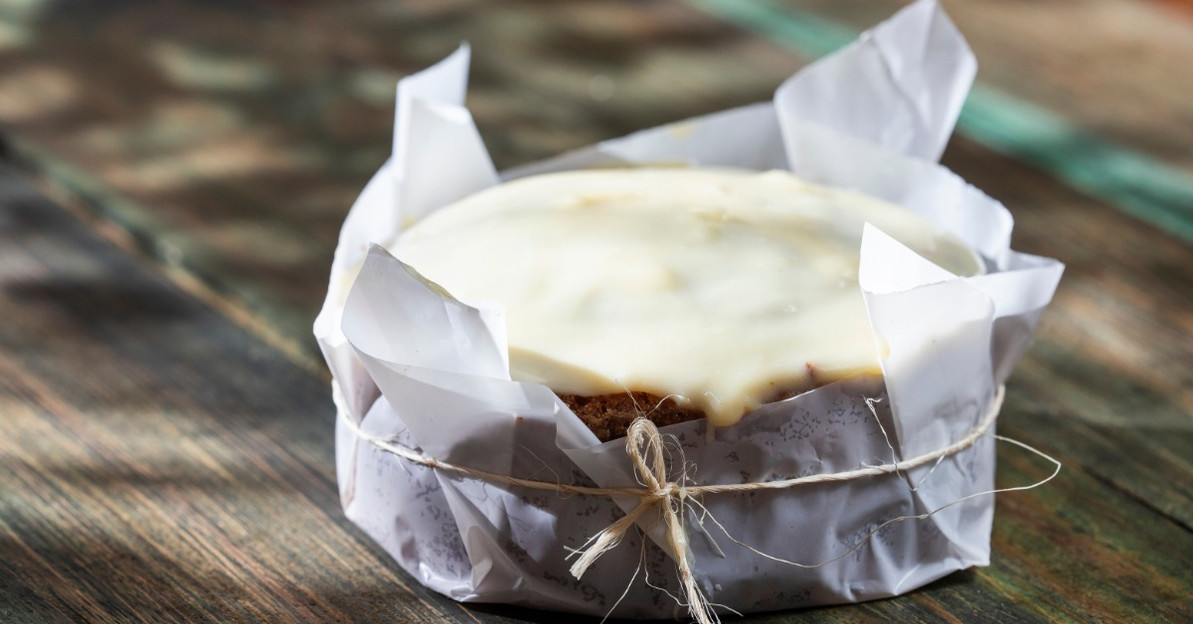
Pros and Cons of Wax Paper in Food Packaging
When you run a foodservice business or manage food manufacturing operations, every packaging decision matters. The materials you choose affect product freshness and your operating costs. Wax paper is one of those materials that has been around for decades, yet it still sparks healthy debate among food industry professionals. Let’s explore the pros and cons of wax paper in food packaging, so you can make a confident, informed choice for your specific operation.
What Is Wax Paper?
Wax paper is a moisture-resistant paper coated with a thin layer of paraffin wax on one or both sides. The wax gives the paper its characteristic non-stick surface and helps it repel grease and moisture during everyday food handling.
Foodservice businesses and food manufacturers commonly use it to wrap sandwiches, separate burger patties, line sheet pans, and package deli items. Its low cost and wide availability have kept it a staple in commercial kitchens and production facilities for generations.
Foodservice buyers should also know how wax paper differs from similar products on the market. Parchment paper uses a silicone coating rather than wax, allowing it to withstand higher temperatures than wax paper.
This distinction helps buyers choose the right material for each specific task in their operation. Making an informed choice ensures that food products are packaged safely and efficiently.
The Advantages of Wax Paper in Food Packaging
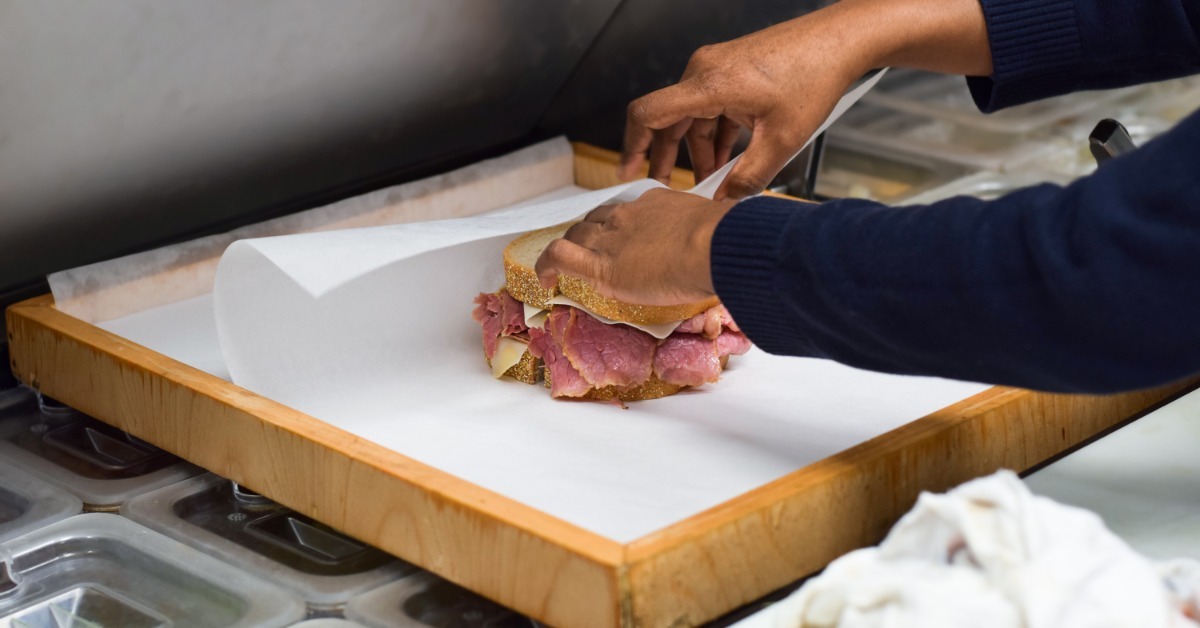
Wax paper has several practical benefits for food packaging. Its moisture barrier keeps food from drying out during storage or transport, which sandwich shops and delis depend on to maintain product quality between preparation and service.
The non-stick surface also simplifies daily food handling. Staff can wrap items quickly, and customers can unwrap them without frustration. For high-volume foodservice operations, that kind of efficiency carries over throughout a busy service period and contributes to a smoother workflow from kitchen to counter.
Cost is another strong argument in favor of wax paper. Foodservice operators who want to manage overhead without compromising food quality often choose wax paper as a budget-conscious packaging option. A full-service restaurant supplier typically carries wax paper in bulk, making it easy to stock up and keep supply costs predictable over time.
Another key advantage of wax paper is its versatility. It adapts to a wide range of food products and tasks, from lining bakery trays to interleaving sliced proteins in a food production facility. That flexibility makes it a convenient go-to material for operations that handle diverse menus or product lines.
The Disadvantages of Wax Paper in Food Packaging
Despite its benefits, wax paper has real limitations that foodservice businesses should weigh carefully before making it their primary packaging material. Here are the key drawbacks to keep in mind:
- Not heat-resistant. The wax coating melts at high temperatures, making it unsafe for use in ovens or microwaves and increasing the risk of food contamination.
- Limited durability. Heavy or wet foods can cause wax paper to tear or break down during handling, especially compared to sturdier options like parchment paper or aluminum foil.
- Difficult to recycle. Most municipal recycling and composting programs don’t accept wax paper because the wax coating interferes with standard processing methods.
- Minimal odor protection. Wax paper provides little defense against strong odors, which can become a problem when packaging pungent foods in shared storage areas.
- No structural support. It lacks the integrity needed for packaging that requires form or rigidity, such as containers for liquid-heavy or sauce-rich dishes.
These limitations don’t automatically disqualify wax paper from foodservice or food manufacturing operations, but they do highlight scenarios where a different material would better serve the business. Carefully evaluating your packaging needs ensures that you choose the best option for each use case.
Ways That Food Businesses Use Wax Paper
The key to getting consistent value from wax paper lies in matching it to the right applications within your operation. Sandwich shops and delis use it to wrap finished items because it keeps food fresh between wrapping and consumption. Food manufacturers rely on it as an interleaving material between sliced meats and frozen patties to prevent product surfaces from sticking together during storage and distribution.
Catering companies also find wax paper useful for lining trays and keeping food items separated during transport and setup. In each of these cases, operations benefit from the moisture resistance and non-stick surface of wax paper rather than depending on it for heat tolerance or structural support.
When teams match the material to the appropriate tasks, they can use wax paper consistently and correctly, reducing waste and avoiding food safety issues. This thoughtful approach also helps maximize the value of every packaging dollar spent.
Popular Alternatives to Wax Paper
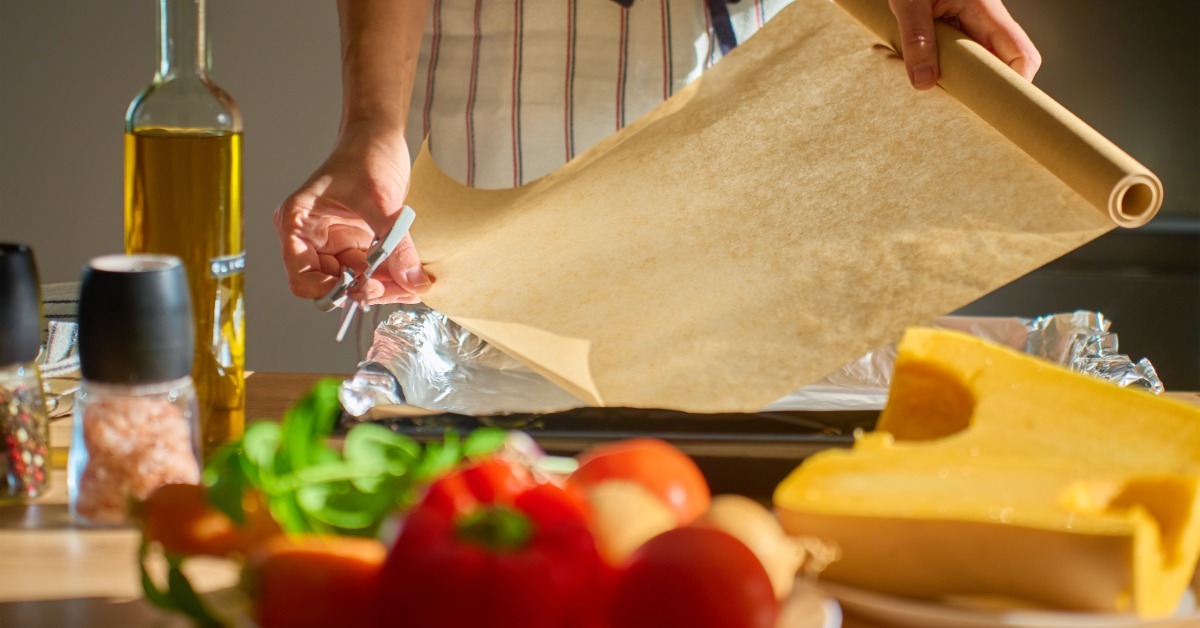
Using wax paper alongside other packaging materials helps your operation handle a wider range of food prep situations. For example, parchment paper handles high-heat cooking and baking without breaking down the way wax paper would.
Butcher paper is more durable and ideal for wrapping heavier proteins or items that require greater containment during transport. Aluminum foil provides a stronger barrier against moisture and odor for products that require extended protection during storage or delivery.
Many foodservice businesses and food manufacturers keep multiple types of wrapping paper on hand, so their teams can choose the right option for different food items. This strategy manages packaging costs and ensures consistent food quality across the range of items your operation produces or serves. Having options available also allows staff to adapt quickly to new menu items or packaging requirements as your business evolves.
Making the Right Packaging Choice for Your Operation
The pros and cons of wax paper in food packaging come down to how well it matches your operation’s demands. Wax paper delivers genuine value as a cost-effective, moisture-resistant material for wrapping and separating foods in moderate-temperature environments. At the same time, its sensitivity to heat and poor recyclability make it a less suitable choice for certain applications.
Understanding both its strengths and limitations allows your foodservice or food manufacturing operation to make smarter, more deliberate purchasing decisions. At Kevidko, you can find a range of packaging solutions for your business. Taking time to review your unique needs will help you select the packaging that best supports your goals and workflow.
Recent Posts
-
Holiday Bakery Preorders: Package the Whole Order
Plan holiday bakery preorders with boxes, boards, bags, and a pickup routine that accounts for ever …Oct 17th 2026 -

Advantages of Round Foil Pans for Baking
Round foil pans give bakeries, restaurants, and catering businesses a convenient way to prepare and …Oct 14th 2026 -

How To Pick the Right Box for Sheet Cakes
Sheet cakes make serving large groups easier, but transporting and presenting them requires the righ …Oct 6th 2026