
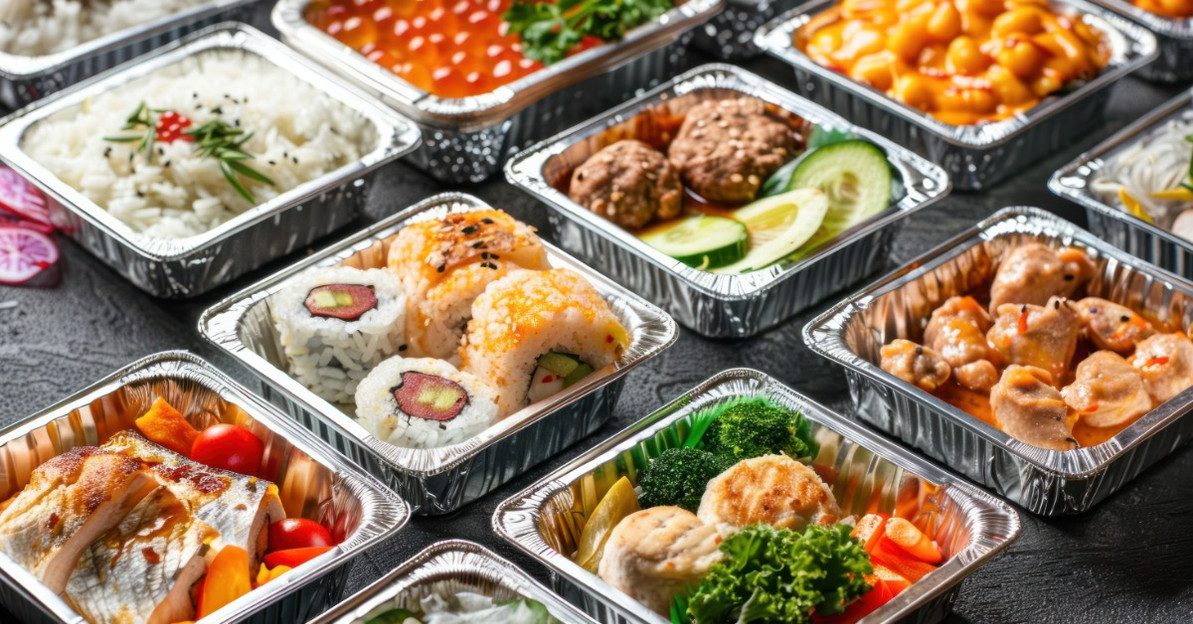
Plastic Containers vs. Foil: Which Is Right for You?
When you run a restaurant or foodservice business, every order that leaves your kitchen represents your brand. The container it travels in matters more than most operators initially give it credit for. Determining whether plastic containers or foil is right for your business is a question worth asking.
The answer depends on the customer experience and the type of food being served. Both materials have a place in your daily operations, and understanding what each does well puts you in a better position to make the right call for each order.
Understanding the Basics of Each Material
Plastic containers are typically made from materials like polypropylene or PET, and manufacturers produce them in a wide range of shapes and sizes to accommodate nearly any dish. Foil containers are made of aluminum, a material that conducts heat efficiently and withstands the high temperatures of a conventional oven.
Both serve the same core purpose: getting food from your kitchen to a customer in good condition. But the way each material achieves that purpose differs significantly, and those differences matter when you consider your menu and customer base. Choosing the right container can directly influence customer satisfaction and your brand's perception, so it’s important to get this decision right.
Where Plastic Containers Excel
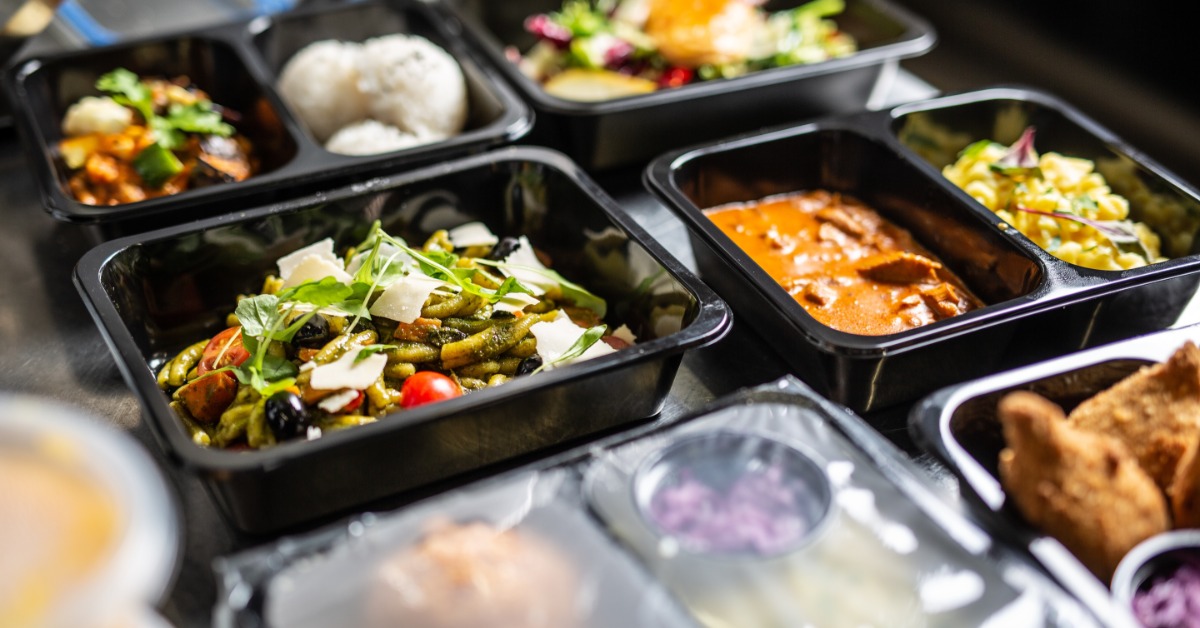
Plastic containers have become a staple in many restaurants, thanks to their crystal-clear design that puts your food on display and lids that lock in freshness. When customers can see exactly what they’re getting, it builds excitement and makes the meal feel special before the first bite. That kind of visibility matters when presentation is part of the experience.
A layered grain bowl or a composed salad looks more appetizing through a transparent lid than it does hidden under foil. That visual transparency helps customers quickly confirm their order is correct without opening the container.
Plastic also pairs well with cold and room-temperature foods. Moisture-rich items like deli pasta salads and chilled desserts hold up well in plastic because the material effectively resists moisture.
There’s a huge variety of plastic to-go containers with lids, offering something for nearly every dish on your menu. The best snap-on lids click firmly into place, locking in freshness and minimizing the risk of spills, so your food arrives looking just as good as when it left the kitchen.
Plastic containers also stack efficiently, keeping your storage area organized and speeding up service during a busy shift. This easy stacking means your team can grab what they need quickly, helping orders go out smoothly even when the pressure is on.
Where Foil Containers Have the Advantage
Foil containers bring something to the table that plastic simply cannot match: full oven compatibility. If a customer wants to reheat a family-size lasagna or a roasted entrée, they can move a foil container straight from the bag into the oven; no need to dirty another dish or juggle awkward transfers. That kind of convenience adds real value to your packaging beyond the initial meal, and customers will appreciate it when they receive their orders.
Foil really shines at keeping food hot. Its ability to conduct and retain heat far outpaces plastic, so your dishes stay warm and appetizing all the way to the customer’s door. That’s a serious advantage for comfort-food spots and catering operations that handle many large orders. Plus, foil containers pair perfectly with cardboard lids or foil covers, making them a go-to for baked goods and dishes that need a loose, breathable cover rather than a tight snap-on seal.
From a cost standpoint, standard foil containers often cost less per unit than comparable plastic options. When you order in volume, that difference adds up and can help you manage packaging costs without sacrificing quality.
Key Factors to Consider Before You Decide
The decision between plastic and foil isn’t something you make once and never revisit. Your menu format and your delivery setup both factor into the right answer. Before you commit to one material, work through these considerations:
- Food type and temperature: Hot dishes that customers will reheat favor foil; cold or room-temperature items typically perform better in plastic.
- Presentation: Clear plastic lets customers see the food before they open the container, which works well for visually layered or colorful dishes.
- Budget: Foil containers often cost less per unit; plastic options vary widely in price depending on thickness and style.
- Order format: Large catering orders and family-style meals may require aluminum pans, while individual restaurant orders frequently call for individual plastic containers.
- Storage and stacking: Plastic containers generally stack more efficiently and take up less storage space per unit.
Matching the Container to Your Menu Items
The most practical approach for most foodservice operations is to stock both materials and assign them by dish category, rather than defaulting to a single type across the board. A barbecue concept might reach for foil pans for bulk orders of brisket or pulled pork, while using plastic containers for individual sides.
A salad-forward restaurant will almost certainly want clear plastic across the entire menu. A comfort food spot that handles a high volume of catering work would likely lean toward foil for the bulk of its to-go packaging.
Considering how the food will travel and be enjoyed at home leads to smarter container choices than just picking a one-size-fits-all option. When you match each dish with the right container, the food stays at its best, and your customers notice the difference in quality.
Finding the Right Fit for Your Business
Choosing between plastic containers and foil for your foodservice business isn’t always simple. Plastic stands out for its crystal-clear presentation and secure, leak-resistant lids that showcase your food and keep it fresh. Foil, on the other hand, is unbeatable for holding in heat and going straight from the refrigerator to the oven, all while being easy on your budget.
The best operators treat packaging decisions with the same care and creativity they bring to their food, matching the container to the dish so every meal travels well and arrives looking its best. When you take the time to pick the right packaging for each order, your customers can feel the extra care you’ve put into their meal before they open the container.
Recent Posts
-

Common Mistakes When Switching To-Go Containers
Changing takeout packaging can seem like a simple purchasing decision. In practice, a new container …Sep 2nd 2026 -
8 Ways Aluminum Foil Packaging Improves Food Quality
Food quality depends on more than ingredients and preparation. The packaging a restaurant, café, cat …Aug 31st 2026 -
What To Expect When Ordering Custom Catering Boxes
Catering packaging must do more than hold food. It must support transport, presentation, organizatio …Aug 25th 2026