

How To Properly Inspect Wholesale Plastic Cups Before Use
When you order plastic cups in bulk, it's tempting to accept what your supplier gives you without a quick inspection. However, doing so can be a costly mistake and turn into a logistical nightmare. This guide will show you how properly inspecting wholesale plastic cups before use can help you spot issues and handle problems before they reach your customers. You can protect your reputation and keep your service running smoothly with a few simple steps.
Why Inspection Matters With Bulk Plastic Cup Orders
Bulk orders have many distinct advantages. Lower per-unit costs and fewer reorder cycles make bulk purchasing the smart move for most foodservice operations. But ordering in volume also increases the risk of quality issues.
A single defective cup handed to a customer does more damage than making a replacement order. A cracked cup or a leaking lid will cause customers to complain and could impact your word-of-mouth marketing. Catching those issues before service begins allows you to develop a backup plan and avoid embarrassing yourself in front of customers.
A quick product inspection also helps you hold suppliers accountable. You’ll have a clear record to reference when resolving issues with your PET cup supplier. That documentation protects your purchase and gives you leverage when requesting replacements or credits.
When To Inspect Your Plastic Cup Order

The best time to inspect is immediately after delivery, before you move the product into storage. Once cups are in a stock room or on a storage shelf, it becomes harder to trace which delivery a defective unit came from.
You don’t need to open every case on delivery day. A spot-check approach works well for most operations. Pull a sample from different cases across the pallet and run through a basic inspection checklist. If you find consistent issues across multiple samples, open more cases and dig deeper before accepting the full order.
What a Basic Spot-Check Should Cover
A spot-check doesn’t need to take long. Inspect the following key areas during your next inspection:
- Structural integrity: Look for cracks, splits, or thin spots in the cup wall. These will weaken under pressure and fall apart when exposed to hot or heavy beverages.
- Rim condition: Run a finger along the rim. It should feel smooth and even. A rough or uneven rim affects a lid’s fit and feels uncomfortable to touch.
- Lid compatibility: Test your standard lids on the sample cups. The fit should be snug with no gaps. A loose lid is a spill waiting to happen.
- Clarity and color consistency: PET cups should be clear and uniform. Cloudiness, yellowing, or inconsistent color can signal a material or manufacturing issue.
- Packaging condition: Check for punctures or damage to the inner sleeve. A compromised package can expose cups to contamination, putting your employees and customers at risk.
Common Defects To Watch for in PET Plastic Cups
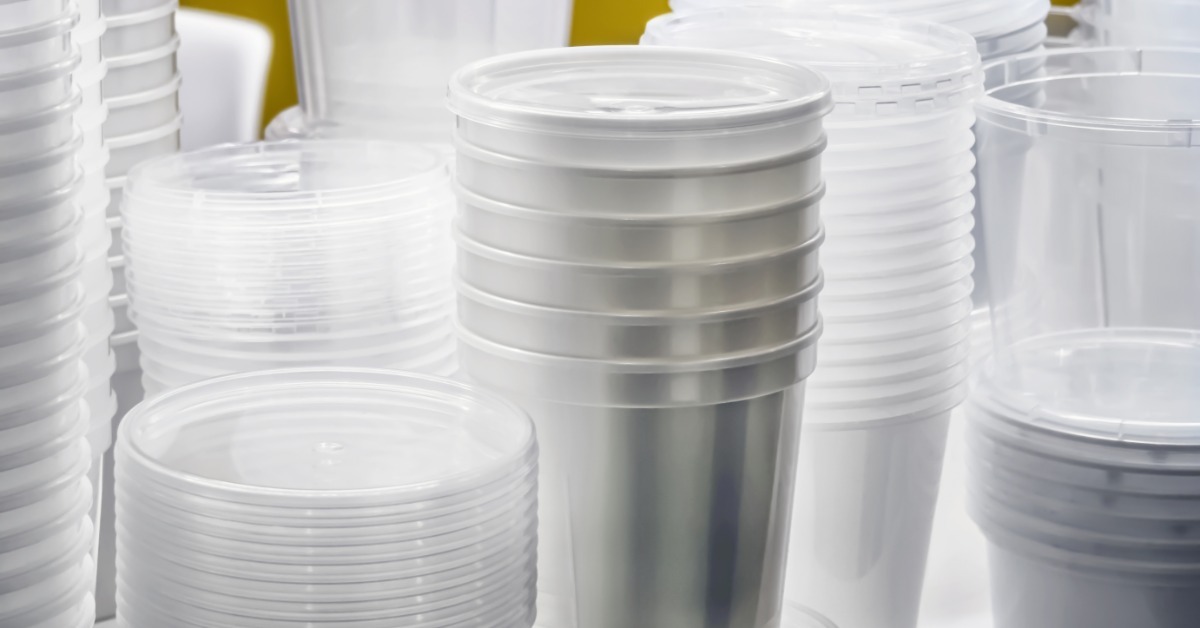
PET (polyethylene terephthalate) is one of the most common materials used for cold beverage cups. It produces a clear, rigid cup that holds up well under cold temperatures. Even with reliable material, manufacturing defects can still make it through the production line.
Wall thinning is a common issue. During the forming process, uneven material distribution can leave certain sections of the cup thinner than others. Those thin spots can flex and crack under pressure, especially when the cup is full.
Warping is another common defect that’s easy to spot. A warped base means the cup will not sit flat on a counter or tray, increasing the risk of spills during service. To spot warping, hold the cup on a flat surface and check for rocking or instability.
Seam irregularities can also appear along the side of the cup. These show up as visible ridges or gaps in the material. A pronounced seam can compromise the cup's ability to hold liquid under pressure.
How To Quickly Test for Leaks
Fill a sample cup with water and snap on a lid, then hold it over a dry surface for about 30 seconds. Then tip it on its side and check for any seepage along the seam or base.
The whole test takes less than a minute. If a cup leaks in a controlled setting, it will leak during service. Pull that batch, document what you found, and reach out to your supplier.
Building an Inspection Routine That Sticks
A one-time inspection is better than nothing, but a consistent routine is what protects your operation over time. The goal is to make product inspections a standard part of your receiving process, not an occasional task.
Assign the inspection to whoever handles receiving. Give them a short checklist that covers the key areas of product defects. Keep the checklist simple enough to complete in five minutes per delivery. The easier it is to follow, the more likely it is to get done consistently.
Keep a log of each inspection. Note the delivery date, the supplier, the product, and any defects found. Over time, that log tells you whether a quality issue is a one-off or a pattern. If defects keep recurring from the same source, it is time to have a direct conversation with your supplier or to start evaluating other options.
Train your team to flag issues during service as well. If a server notices a cracked cup or a lid that will not seat correctly, that feedback should feed back into your receiving process. Front-of-house staff often catch things that a receiving check misses.
A Simple Check That Protects Your Operation
Knowing how to properly inspect wholesale plastic cups before use is one of the simplest ways to prevent avoidable problems from plaguing your operation. Conducting consistent inspections helps keep defective products out of service and maintain the quality your customers expect. Some extra attention on the receiving dock goes a long way on the restaurant floor.
Kevidko makes it easy to stock your operation with the right disposable tableware at wholesale prices. With a wide selection and reliable delivery, you can meet your business’s needs while staying on budget and maintaining high-quality standards.
Recent Posts
-

Common Mistakes When Switching To-Go Containers
Changing takeout packaging can seem like a simple purchasing decision. In practice, a new container …Sep 2nd 2026 -
8 Ways Aluminum Foil Packaging Improves Food Quality
Food quality depends on more than ingredients and preparation. The packaging a restaurant, café, cat …Aug 31st 2026 -

What To Expect When Ordering Custom Catering Boxes
Catering packaging must do more than hold food. It must support transport, presentation, organizatio …Aug 25th 2026