
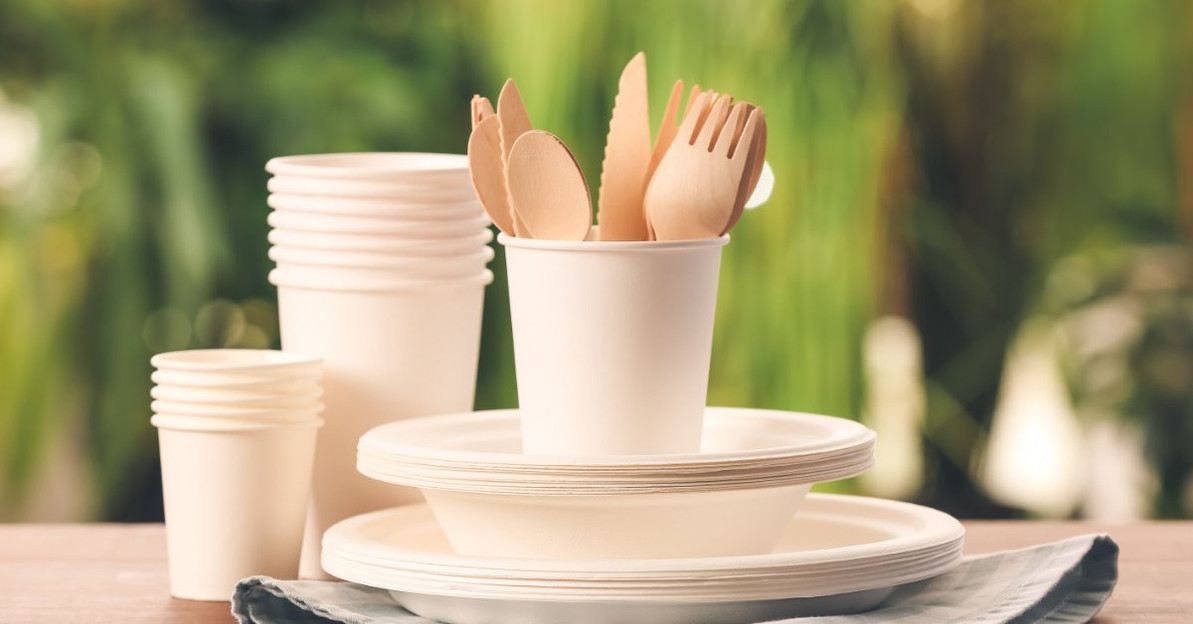
Overview of Single-Use Tableware for Restaurants
When you run a restaurant, every detail in the dining experience matters, right down to the plates and utensils your customers use. This overview of single-use tableware for restaurants covers what you need to know to make smart choices for your operation.
Whether you run a fast-casual spot or a high-volume catering operation, single-use tableware plays a bigger role in your day-to-day than you might think. Choosing the right products keeps your service moving while giving customers a consistent dining experience.
Why Restaurants Choose Single-Use Tableware
Single-use tableware isn’t just for fast food. Restaurants across all service formats stock disposable plates and cutlery for good reason. Having a sanitary work environment is good for business and helps you keep your long-term costs under control.
During peak hours, disposable tableware keeps the floor moving. Servers spend less time waiting on tables, and dishwashers handle less volume. That kind of efficiency adds up fast during a busy service.
Sanitation is another major factor. Single-use products come pre-packaged and sterile, which removes the risk of cross-contamination from improper dishwashing.
For takeout and delivery operations, customers expect their food to arrive in clean, sealed packaging and cutlery that hasn’t been handled by numerous hands. The rise in online ordering and third-party delivery services has made disposable, tamper-evident tableware more critical than ever for maintaining customer trust and food safety.
Cost Considerations for Disposable Tableware

The upfront cost of disposable tableware is lower than purchasing ceramic or glassware in bulk. There is no risk of broken cutlery and fewer dishes for the back of the house. There is also no inventory shrinkage from chipped or cracked tableware that is expensive to replace.
Buying through wholesale food supply services is where the real savings show up. When you source disposable tableware in bulk, the per-unit cost drops significantly. That cost differential matters when you go through hundreds or thousands of pieces each week.
A Look at the Most Common Disposable Options
Not every restaurant uses the same types of disposable tableware. What you choose depends on your menu, service model, and customer expectations. Here are some of the most common categories:
- Foam and plastic plates: A reliable go-to for food courts and quick-service restaurants.
- Compostable plates and bowls: Made from sugarcane or bamboo, these appeal to eco-conscious customers and align with green business objectives.
- Plastic cutlery: Available in individual packs or bulk bins, these work well for takeout orders and self-serve stations.
- Paper and foam cups: Essential for hot beverages and soups, available in a range of sizes.
- Portion cups and lids: Great for condiments and dips, keeping everything contained and easy to handle.
The variety in this category gives restaurants real flexibility. You can mix formats based on the order type or the customer experience you want to create. A takeout order and a catered event call for completely different setups, and having the right options available makes service easy.
A Closer Look at Disposable Tableware Materials
The material your disposable tableware is made from affects everything from durability to customer perception. Understanding the difference between material types helps you match your products to the right situations.
Foam (expanded polystyrene) can withstand high temperatures and has strong insulation properties. It is the ideal material for hot foods and soups. However, many cities and states have started restricting or banning foam products, so check your local regulations before stocking up.
Plastic products are durable and have a clean look at a low price point. They control moisture well, making them perfect for cold dishes like salads and iced drinks. Heavy-gauge plastic can also pass as semi-reusable, which is great for catering companies that need tableware with an elevated style.
Compostable and recycled materials have grown in popularity as more restaurants commit to sustainability goals. Sugarcane and bamboo-based plates are ideal for wet and oily foods and look more premium than standard foam or thin plastic plates.
Your Menu Determines Your Material Needs
A plate used for dry items can fail quickly with saucy or wet dishes. Paper plates, for example, can go soft under heavy proteins or stews. Foam holds up better in those situations but may not fit your brand's image.
Think about the food on your menu and how long they need to stay on the plate. A food truck with quick service will require different materials than a catering operation where plates sit out for hours at a buffet station.
Your restaurant’s cutlery selection follows the same logic. Lightweight plastic works well for quick, easy meals at fast-food restaurants and quick-serve establishments. For dense proteins that require real cutting force, go with a heavier gauge or a polystyrene set that can handle the load.
How to Source Single-Use Tableware Effectively
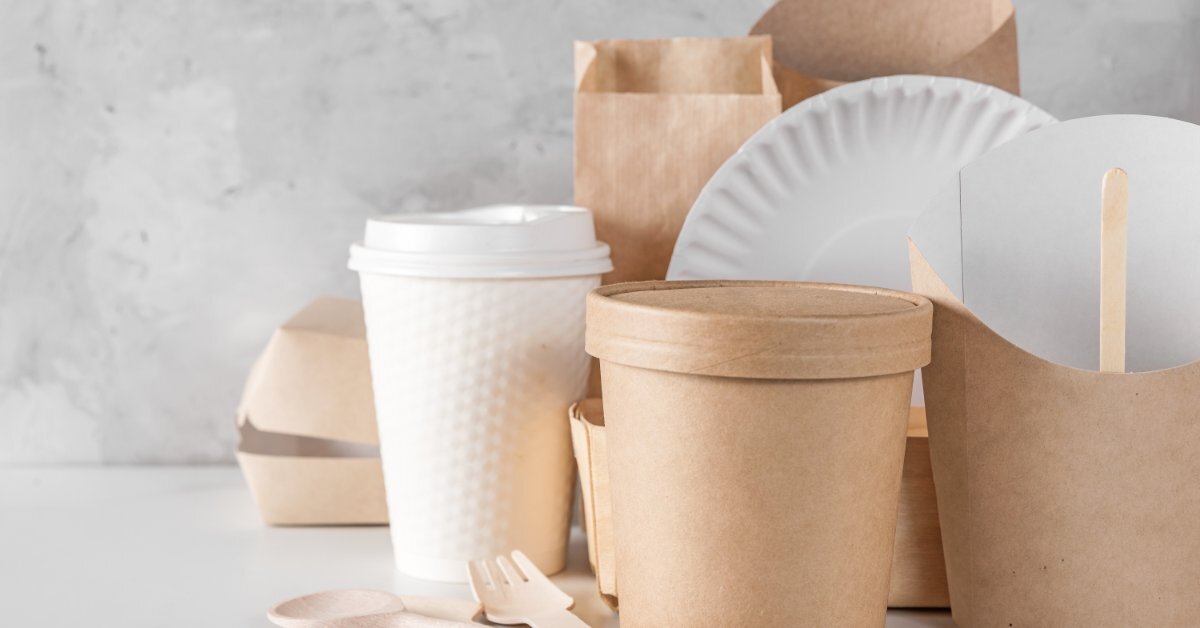
Sourcing single-use tableware well comes down to knowing your volume and your storage capacity.
Running low mid-service is never an option. A reliable supply chain keeps your operation running without last-minute scrambles.
Calculate your weekly usage for each item category. Plates, cups, lids, and cutlery all burn through at different rates depending on your business’s service style. Once you know your numbers, you can order in quantities that avoid shortages without overfilling your storage.
Consistency in product quality matters too. Switching suppliers or brands midstream can result in cups that don’t fit your existing lids or plates that don't stack correctly in your current holders. Stick with proven products and trusted suppliers who can reliably fulfill your orders.
Storage space is a real constraint for many restaurants. Limited storage often means you must be strategic with your bulk orders and prioritize items that turn over quickly. If you run a smaller operation, look for compact packaging or ordering schedules that keep deliveries frequent without requiring a large back-of-house footprint.
Get Your Tableware Strategy Right From the Start
This overview of single-use tableware for restaurants shows that the right disposable products do more than just hold food. They make service faster and keep costs under control.
The key is matching the material and format to how you actually operate. When you get that right, disposable tableware becomes a quiet advantage for your business rather than just a line item on your supply order. Visit Kevidko to find the disposable tableware your restaurant needs, sourced in bulk and ready to order.
Recent Posts
-

Advantages of Round Foil Pans for Baking
Round foil pans give bakeries, restaurants, and catering businesses a convenient way to prepare and …Oct 14th 2026 -

How To Pick the Right Box for Sheet Cakes
Sheet cakes make serving large groups easier, but transporting and presenting them requires the righ …Oct 6th 2026 -
Why Compartment Containers Improve Meal Prep
Meal prep can make foodservice operations more predictable, but packaging plays a major role in whet …Sep 29th 2026