
How To Prevent Grease Stains in Bakery Packaging
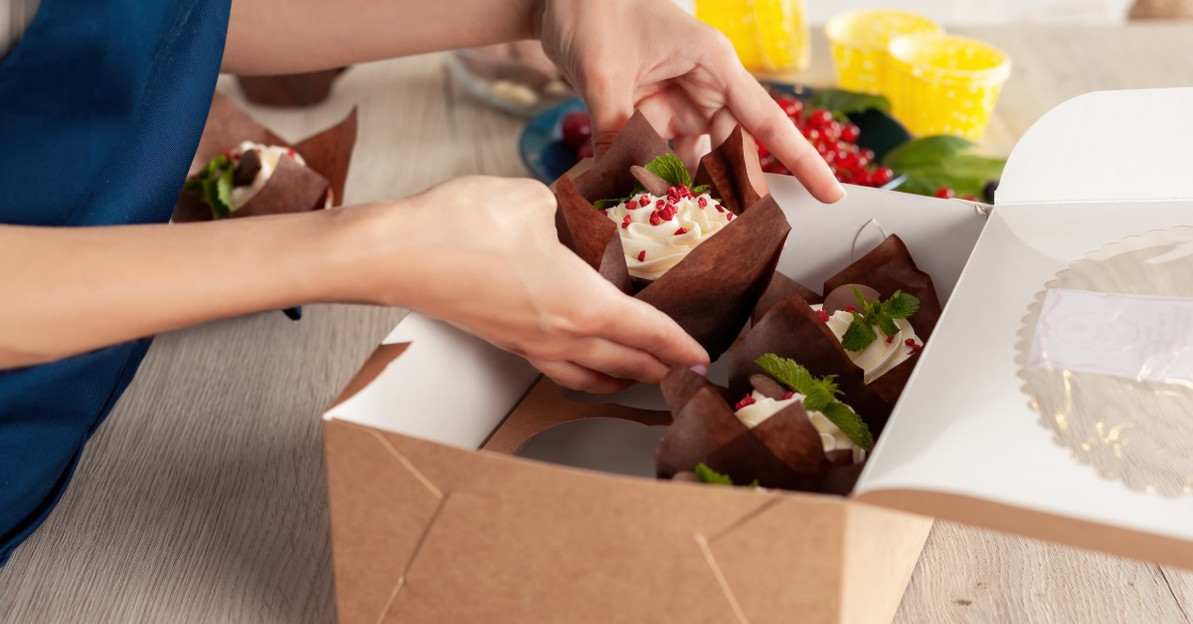
In a bakery or foodservice operation, every item you send out from your display case or kitchen reflects directly on your company’s reputation. A beautifully decorated croissant or a perfectly glazed donut can lose its appeal the moment a customer opens a grease-soaked box.
Learning how to prevent grease stains in bakery packaging is one of the most practical steps you can take to protect your product presentation and keep customers coming back. The fix is rarely complicated, but it does require some intentional choices about materials and handling.
Why Grease Stains Happen in the First Place
Grease stains in bakery packaging are not a mystery. They follow predictable patterns tied to the fat content in your baked goods and the structure of the packaging material you select. Once you understand what triggers the problem, you can make smarter decisions before the grease reaches the box wall.
How Fat Content Affects Your Packaging
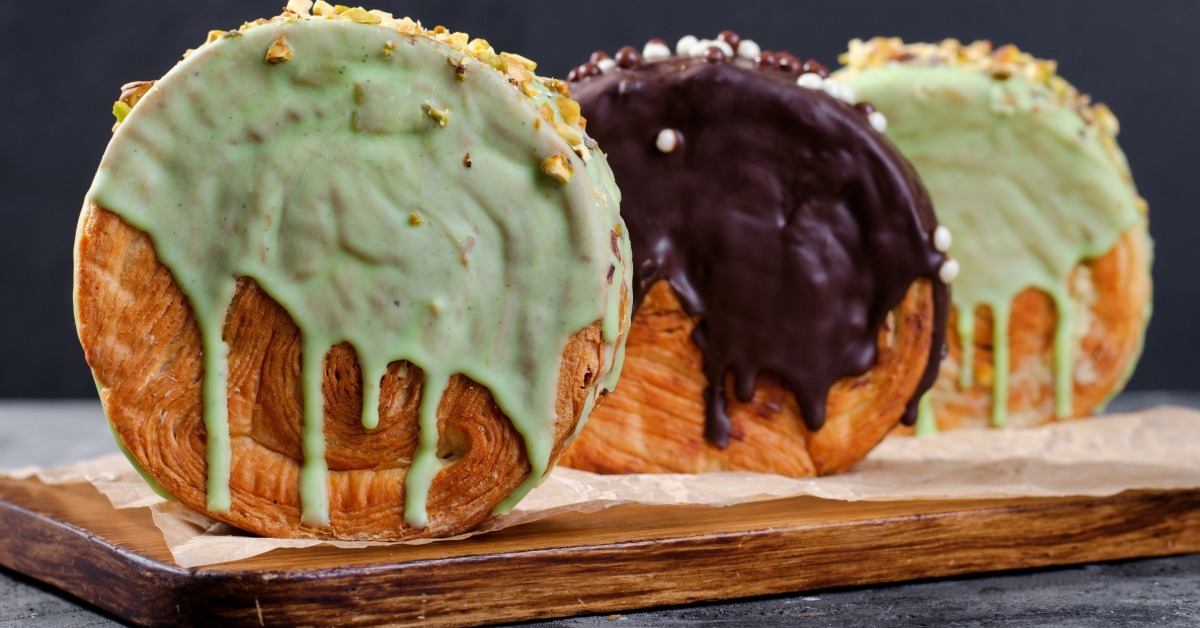
Butter and oil are essential to most baked goods, but they behave differently once they're in a container. High-fat items like croissants and fried pastries continuously release grease, especially when they are still warm from the oven. That warmth accelerates the movement of fats through the surface of the baked good and into the surrounding packaging material.
Standard cardboard boxes, especially uncoated ones, absorb grease quickly. The fibers in the paperboard act like a sponge, pulling fat inward and pushing it outward toward the exterior surface. Within an hour or two, a plain box can show visible staining, making the product look old or poorly handled. Customers notice these details, even when they never say anything directly.
Temperature and Humidity as Contributing Factors
Temperature and moisture levels inside a box also drive grease migration. A warm muffin placed directly into a sealed container traps steam, which softens the packaging material from the inside. Softened cardboard becomes even more porous, thereby accelerating fat absorption considerably. Seasonal shifts in humidity can compound the problem for bakeries that store finished goods before delivery or customer pickup.
Understanding these environmental factors helps you recognize why grease staining often worsens during summer months or in high-humidity storage areas. The issue is not just the baked good itself, but the conditions surrounding it once it's placed in the box.
How to Choose the Right Packaging Materials
The most effective way to prevent grease stains starts with the material you select. Not all packaging offers the same level of grease resistance, and choosing the wrong option creates a recurring problem regardless of how carefully your team handles each product.
Grease-Resistant Coatings and Liners
Grease-resistant packaging comes in a few distinct forms. Some boxes feature a built-in coating applied directly to the interior surface, while others rely on wax or poly liners to create a barrier between the product and the cardboard. Clay-coated paperboard is another solid option because it resists grease penetration while still offering a clean surface for printing and branding.
Glassine paper inserts are especially popular in bakery settings because they sit between the baked good and the box without adding bulk. They absorb surface moisture without allowing fats to pass through to the outer packaging.
Many operators who order bulk bakery boxes pair them with glassine or parchment liners to maximize protection without switching to a more expensive container. It is a cost-effective approach that works well across a wide range of pastry types.
Here is a quick look at grease-resistant options worth considering for your operation:
- Grease-resistant coated boxes: Have a built-in interior coating that creates a fat barrier without requiring additional inserts.
- Glassine paper inserts: Thin, semi-transparent liners placed beneath the baked good to prevent fat transfer to the outer box.
- Wax paper wraps: A reliable choice for individual items like brownies or bars that need extra containment.
- Kraft paper with poly coating: Durable and effective for moist or fatty products across a range of packaging formats.
- Parchment-lined trays: Ideal for pastry arrangements where multiple items sit side by side without touching the box directly.
Packaging Habits That Reduce Grease Transfer
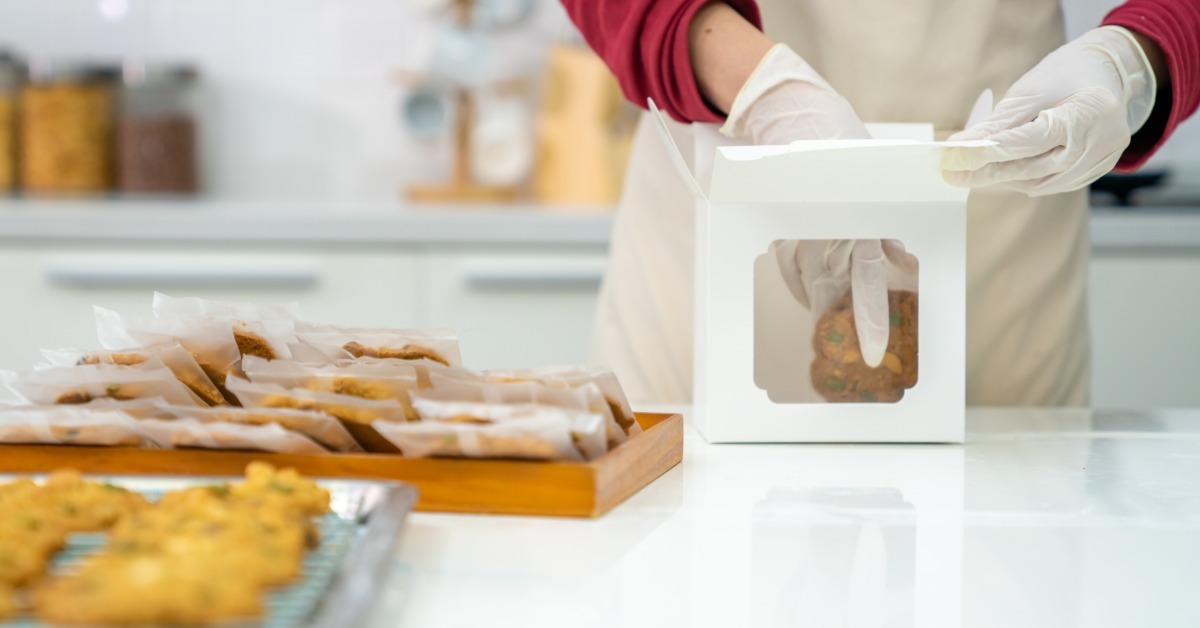
Even the best packaging material performs better when paired with smart handling practices. Your team's daily routine has a direct impact on how well your packaging holds up from the moment you fill it to the moment a customer opens it.
Cooling Before You Package
The single most effective habit is also the simplest: let your baked goods cool before you place them in any container. A croissant pulled straight from the oven releases steam and fat simultaneously. That combination overwhelms even the most grease-resistant packaging within a short window. Giving your products ten to fifteen minutes on a wire rack before boxing lets the fat stabilize and reduces the steam that softens cardboard from the inside out.
When the kitchen gets busy, it’s easy to skip cooling baked goods before boxing them up, but the trade-off can be costly. If customers open a box to find grease stains or sagging sides, they’re likely to think the pastries are stale, even if they’re perfectly fresh. That crucial first impression is easily protected by letting baked goods rest a few extra minutes on the cooling rack.
Layering and Placement Strategies
How you arrange items inside a box matters just as much as the material you use. Placing a high-fat item directly against a box wall concentrates grease in one spot and accelerates staining in that area. Using a liner beneath each item spreads the fat load more evenly and keeps it away from the sides and bottom of the box.
Avoid stacking warm items on top of each other without a separator between them. The added weight presses fats outward and downward into the lower layers of packaging. A single sheet of parchment or wax paper between rows adds minimal cost while significantly reducing the staining risk on multi-layer orders.
Bottom Line: Presentation Is Part of the Recipe
Packaging is an important part of your product. Customers form their first impressions before even tasting your baked goods, and a grease-stained box can overshadow all the care you put into your creations. The principles for preventing grease stains in bakery packaging are straightforward: understand what causes fat migration, then choose the right materials and handling practices that address the problem at the source.
Whether you run a small neighborhood bakery or a high-volume wholesale operation, these steps help you deliver a presentation that reflects the quality of your baked goods. Browse KEVIDKO’s selection of bakery packaging supplies and find the right solution for your operation today.
Recent Posts
-

Common Mistakes When Switching To-Go Containers
Changing takeout packaging can seem like a simple purchasing decision. In practice, a new container …Sep 2nd 2026 -
8 Ways Aluminum Foil Packaging Improves Food Quality
Food quality depends on more than ingredients and preparation. The packaging a restaurant, café, cat …Aug 31st 2026 -

What To Expect When Ordering Custom Catering Boxes
Catering packaging must do more than hold food. It must support transport, presentation, organizatio …Aug 25th 2026