

Pros and Cons of Hinged vs. Separate Cup Lids
Foodservice businesses rely on the right packaging to keep drinks secure and easy to serve. The pros and cons of hinged and separate cup lids often come down to convenience, cost, and the type of beverage you serve. Both lid styles help restaurants, cafés, and other operators protect drinks during transport.
Each option offers benefits and limitations that affect daily operations. Understanding how these lids perform helps businesses choose the right solution for their workflow. With the right packaging supplies, operators can serve drinks efficiently while maintaining a clean and professional presentation.
Understanding Hinged and Separate Cup Lids
There are many types of cup lid designs, but hinged and separate lids are among the most common options in foodservice. Both styles work with clear plastic cups and help prevent spills.
Hinged lids attach directly to the cup and flip open and closed. Separate lids snap onto the cup and stay completely detached from the container before use. Businesses often pair both styles with PET cups and lids when serving cold beverages like iced coffee, lemonade, or specialty drinks.
Each design offers different advantages depending on the service style and beverage type. Operators should consider their workflow, drink menu, and customer experience before choosing between them. The right lid choice can minimize mistakes during busy shifts by streamlining the process for both staff and customers.
Pro #1 Hinged Cup Lids: Built-In Convenience
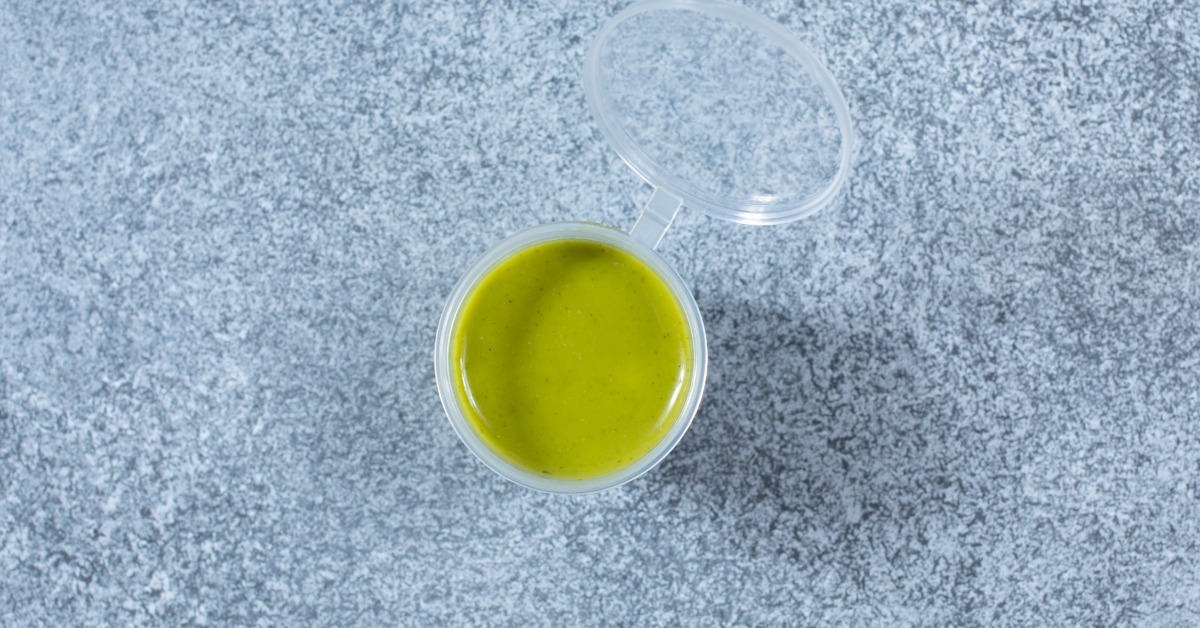
Hinged lids are convenient because the lid stays attached to the cup. Staff members fill the drink and close the lid without searching for a separate piece. This simple design speeds up drink preparation during busy service periods. With fewer steps involved, employees can focus on accurate orders and customer interaction rather than handling multiple packaging components during rush times.
Customers also appreciate the attached lid because it reduces the chance of losing it while drinking. Many cafés use hinged lids for quick-service beverages where speed matters. The design is suitable for efficient operations in fast-paced environments.
Pro #2 Hinged Cup Lids: Reduced Lid Waste
Hinged lids help reduce packaging waste in drink stations. Because the lid connects to the cup, staff members avoid dropping extra lids or misplacing them during service. This feature keeps counters cleaner and improves organization.
Operators who serve high volumes of cold beverages value this efficiency. Fewer loose lids also mean fewer packaging materials scattered around the workspace.
The result is smoother service and a tidier beverage station. Additionally, less lid waste can reduce your staff’s cleanup time at the end of a shift and support sustainability efforts for eco-conscious organizations.
Con #1 Hinged Cup Lids: Limited Drink Compatibility
Hinged lids work best with specific cup designs. Many beverages with toppings, straws, or specialty garnishes require more flexibility than hinged lids provide. Operators who serve drinks with whipped toppings or large add-ins may encounter limitations.
Some hinged lids also lack the straw slot customers expect for certain beverages. Businesses that serve bubble tea, smoothies, or layered drinks may find the design less practical. Menu variety often influences whether hinged lids work well in a particular setting.
Con #2 Hinged Cup Lids: Storage and Stacking Challenges
Hinged lids sometimes take up more storage space than separate lids. Their attached design prevents them from stacking as tightly as traditional lids. Restaurants with limited storage space may need to rethink their shelf organization.
High-volume operators often purchase packaging that is easy to store. When lids stack tightly, staff can restock stations quickly and manage inventory more easily. Hinged designs may require additional storage space. If shelf space is at a premium, operators might face challenges fitting enough inventory on hand to meet peak demand.
Pro #1 Separate Cup Lids: Versatility for Many Beverage Types

Separate cup lids work well for a wide variety of beverages. Restaurants and coffee shops can select different lid styles depending on the drinks they serve. Operators often choose flat lids for iced drinks and dome lids for beverages that include toppings.
This flexibility is ideal for menus with several beverage options. Staff members can easily match the lid to the drink presentation. Many businesses prefer separate lids because they adapt well to changing menu items and seasonal beverages.
Pro #2 Separate Cup Lids: Efficient Storage and Organization
Separate lids stack tightly and store efficiently in busy kitchens or beverage stations. Operators can store large quantities without taking up excessive shelf space. This compact design helps restaurants maintain organized supply areas.
Tightly stacked lids also make restocking easier during busy service periods. Staff members can quickly grab a lid and finish assembling the drink. Efficient lid storage helps beverage stations run smoothly, especially during peak hours and in busy, high-volume environments.
Con #1 Separate Cup Lids: Slower Drink Assembly
Separate lids require an extra step during drink preparation. Staff members must locate the correct lid and snap it onto the cup after filling the beverage. This process can slow service during busy periods.
High-volume beverage stations often prioritize speed and efficiency. When employees prepare dozens of drinks in a short time, even small delays can affect their workflow.
The need to pause and find the right lid may also increase the chances of mix-ups or forgotten orders during the busiest rushes. Some operators prefer simpler packaging setups to reduce these interruptions.
Con #2 Separate Cup Lids: Disorganized Beverage Stations
Loose lids can create clutter around beverage stations. Stacks may tip over or scatter during busy service, which forces staff to spend extra time reorganizing the area. This situation slows down drink preparation and disrupts workflow.
Restaurants with limited counter space may find this challenge frustrating. Keeping lids organized requires careful storage and consistent restocking. Operators should plan their drink station layout carefully when using separate lids.
Choosing the Right Lid for Your Beverage Service
The pros and cons of hinged and separate cup lids highlight how each option serves different operational needs. Hinged lids are ideal for fast service and help reduce loose packaging pieces. Separate lids provide versatility and work well with a wide range of beverages.
Restaurants, coffee shops, and other foodservice businesses benefit from choosing packaging that fits their workflow. Reliable packaging suppliers make it easier to find high-quality drink containers that meet these needs. By working with a trusted provider like Kevidko, businesses can source dependable beverage supplies that keep drinks secure and customers satisfied.
Recent Posts
-

Pros and Cons of Hinged vs. Separate Cup Lids
Foodservice businesses rely on the right packaging to keep drinks secure and easy to serve. The pros …Apr 2nd 2026 -

Why Leak Resistance Matters in Food Packaging
Restaurants, caterers, and foodservice operators rely on dependable packaging every day. Why leak re …Apr 2nd 2026 -

The Ultimate Guide to Branding Your Take-Out Boxes
Branding is what keeps your restaurant top-of-mind, even after a customer has taken their last bite. …Mar 12th 2026