
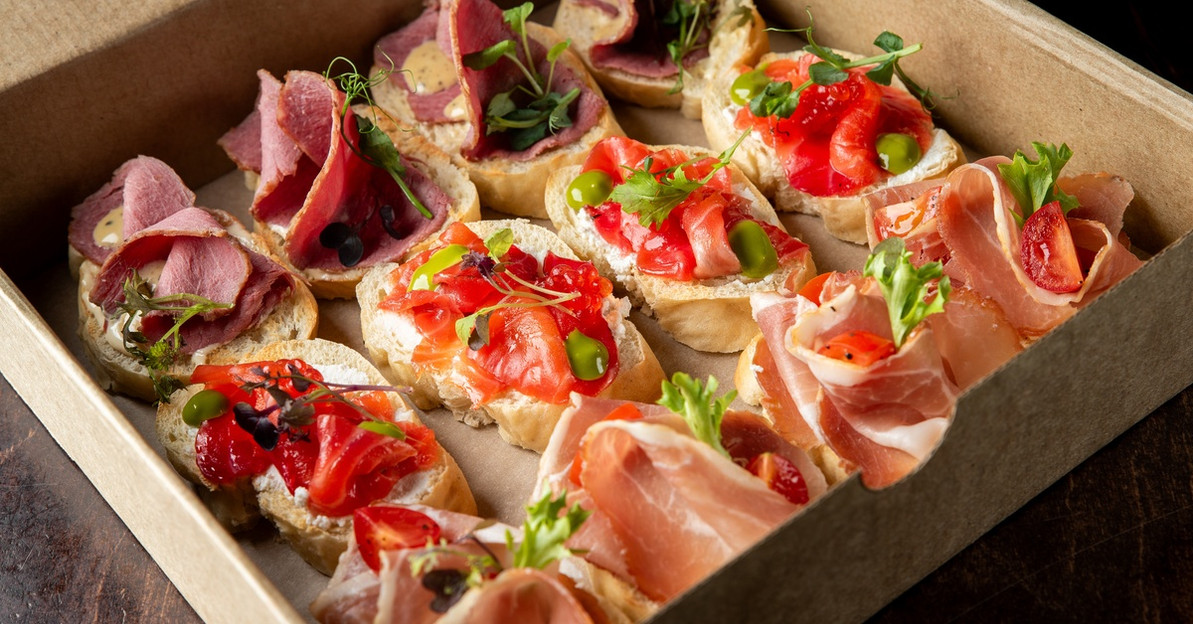
Pros and Cons of Cardboard Catering Boxes
Selecting the right packaging is a fundamental decision for any catering business. The containers you choose affect everything from food presentation to operational efficiency and brand perception. A detailed look at the pros and cons of cardboard catering boxes reveals why they are a popular choice and what limitations to consider. Make an informed packaging decision for your business by exploring the catering solutions available today.
The Appeal of Cardboard: Understanding the Pros
Cardboard presents numerous advantages for catering operations. Its versatility, cost-effectiveness, and environmental profile make it a compelling option. For businesses that need to balance budget, function, and brand image, cardboard boxes offer a practical solution.
Excellent for Branding and Customization
Cardboard surfaces are a blank canvas for your brand. You can easily print logos, contact information, and custom designs directly onto the box. This turns every delivery into a marketing opportunity, which reinforces your brand identity with each customer interaction.
A generic container just holds food. A branded box tells your story. This level of customization allows you to create a memorable unboxing experience that elevates your service above competitors who use plain packaging.
A Cost-Effective Packaging Solution
From a budget perspective, cardboard is hard to beat. The material is widely available, and its production process is highly efficient. This results in a lower per-unit cost compared to alternatives like plastic, wood, or metal.
For a business that purchases thousands of containers a month, these savings add up. Lower packaging expenses allow you to allocate funds to other areas of your operation, like ingredient quality or staff development. This financial benefit makes cardboard an accessible choice for both new and established caterers.
Eco-Friendly and Recyclable
Consumer awareness around sustainability continues to grow. Cardboard boxes align with this value because they are typically made from recycled materials and are themselves recyclable. This offers a clear environmental advantage over single-use plastics.
Choosing recyclable materials demonstrates your company’s commitment to responsible practices. Many customers actively seek out businesses that share their environmental values. This choice can attract a loyal clientele that appreciates your effort to reduce waste.
Lightweight and Easy to Store
Cardboard boxes are lightweight, which reduces shipping costs and makes them easy for staff to handle. They are usually delivered flat-packed, so they require minimal storage space in your facility. A large stack of flattened boxes takes up a fraction of the room that rigid plastic containers would occupy.
This efficiency streamlines your inventory management and back-of-house operations. Staff can quickly assemble boxes as needed without navigating bulky, pre-formed containers. You can use the space you save for more productive purposes.
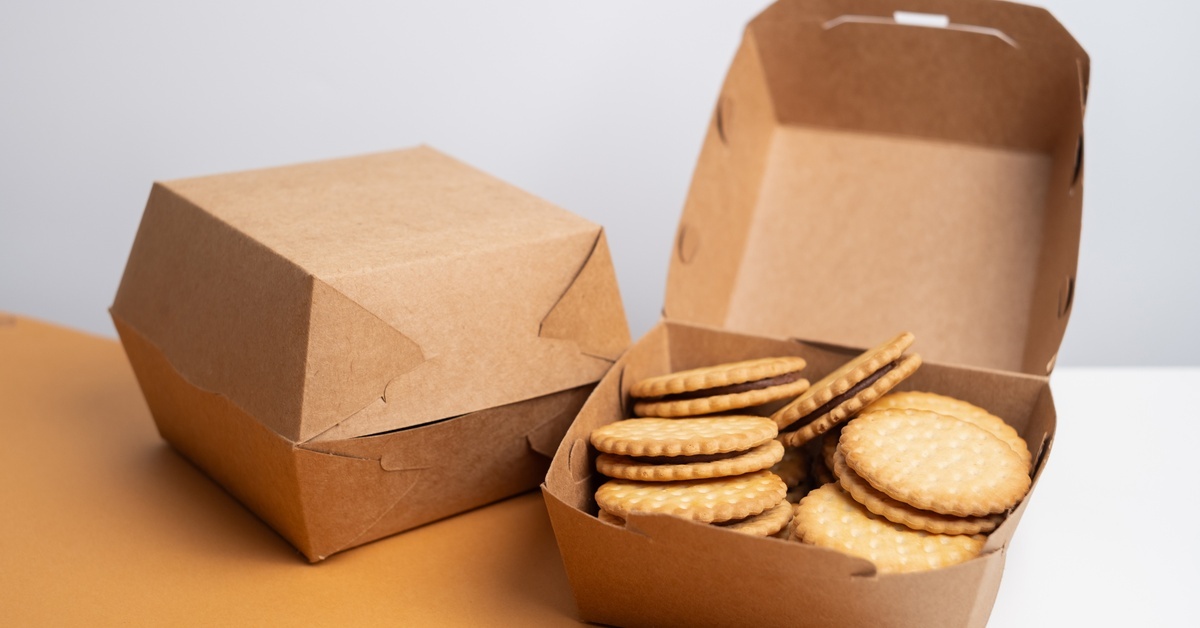
The Drawbacks of Cardboard: Acknowledging the Cons
Despite its many benefits, cardboard is not without its limitations. Understanding these potential issues helps you make a balanced choice and implement strategies to mitigate any problems. Durability, moisture resistance, and temperature control are areas where cardboard can fall short.
Limited Durability and Strength
The primary weakness of standard cardboard is its structural integrity. Heavy or unevenly distributed food items can cause the box to bend or even break. This risk increases during transport, where bumps and turns can shift contents around.
For example, a large, heavy dish like a full tray of lasagna might compromise a standard cardboard box. You would need to use reinforced corrugated cardboard or add internal supports to carry such items securely. This adds complexity and cost to your packaging setup, but corrugated boxes provide more robust protection during transportation.
Susceptibility to Moisture and Grease
Cardboard readily absorbs liquids. A small amount of condensation, a minor spill, or grease from food can quickly weaken the box, which leads to soggy patches and potential structural failure. This can create a messy and unprofessional presentation for your clients.
Many cardboard food containers feature a wax or plastic coating to counteract this issue. This coating provides a barrier against moisture and grease, but it can complicate the recycling process. You must weigh the need for resistance against your sustainability goals.
Poor Insulation Properties
Cardboard does not offer much insulation. Hot foods will cool down quickly, and cold foods will warm up, especially during long delivery times. This can compromise food quality and safety, which leads to a negative customer experience.
Imagine delivering a hot meal that arrives lukewarm or a chilled dessert that arrives melted. To prevent this, you may need to use insulated bags or liners in conjunction with cardboard boxes. This adds an extra step to your process and another expense to your budget.
A Less Premium Appearance
Even with custom branding, cardboard can sometimes be perceived as a less premium option compared to materials like clear plastic, bamboo, or wood. For high-end events or corporate clients who expect a luxury experience, a standard cardboard box might not meet their expectations.
The final presentation matters a great deal in catering. If your brand is built around elegance and premium quality, you might find that cardboard packaging detracts from that image. In these cases, it could serve as a secondary or transport container, with the food presented in more upscale dishes upon arrival.
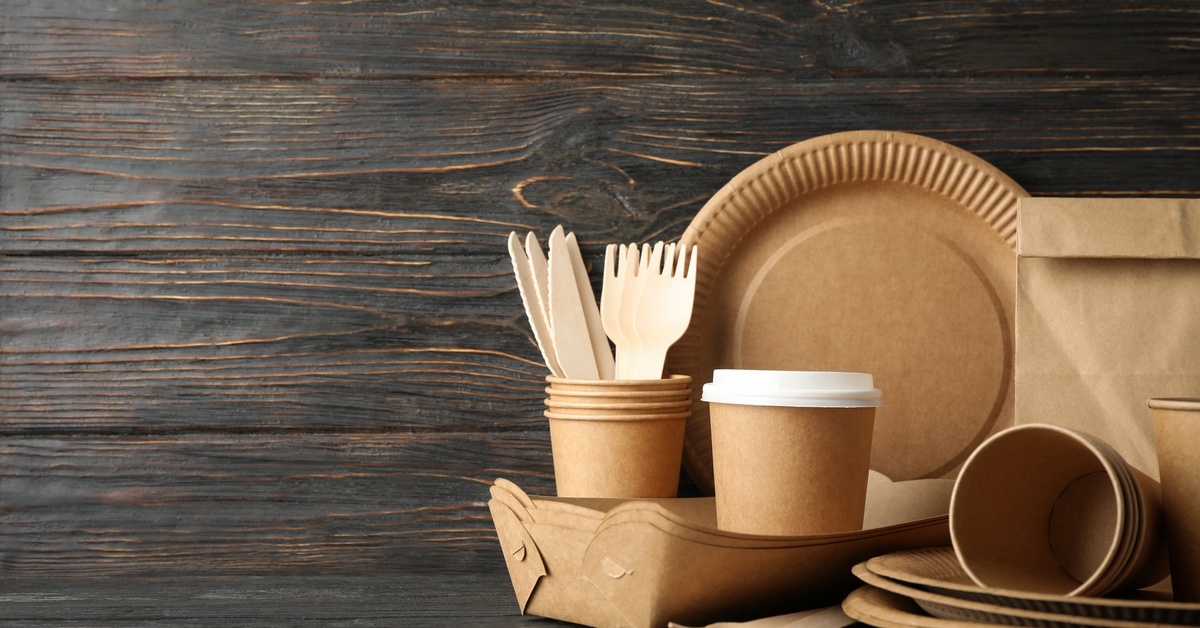
Making the Right Choice for Your Business
A thorough evaluation of the pros and cons of cardboard catering boxes shows there is no one-size-fits-all answer. Your decision depends on your specific menu, service style, and brand positioning. You must analyze your operational needs and customer expectations to find the best fit.
If you serve sandwiches, pastries, and other dry goods, cardboard boxes are an excellent and economical choice. If your menu features saucy dishes or requires strict temperature control, you will need to invest in coated cardboard or use it with insulated carriers. By understanding these factors, you can leverage cardboard's strengths and work around its weaknesses.
The ideal packaging strategy might even involve a mix of materials. You could use elegant, reusable platters for on-site presentation and cost-effective cardboard boxes for transporting bulk supplies. This hybrid approach allows you to optimize your process for cost, function, and presentation simultaneously.
Ultimately, your packaging is an extension of your service. It should protect the food, represent your brand, and meet your budget. Take the time to analyze your needs and explore your options. To find the perfect packaging that aligns with your business goals, browse our extensive selection of cardboard catering boxes or contact our team for expert guidance.
Recent Posts
-

Tips for Transporting Food in Catering Boxes
Every catering professional knows the pressure: one mishap in transit, and hours of careful preparat …Mar 4th 2026 -
Plastic vs. Paper To-Go Containers: Which Do You Need?
With prep lists, ticket times, and supplier invoices demanding your attention, packaging decisions a …Mar 3rd 2026 -

Advantages of Foil Over Other Food Packaging
Restaurants and foodservice businesses face constant packaging decisions across prep and storage, tr …Mar 2nd 2026