
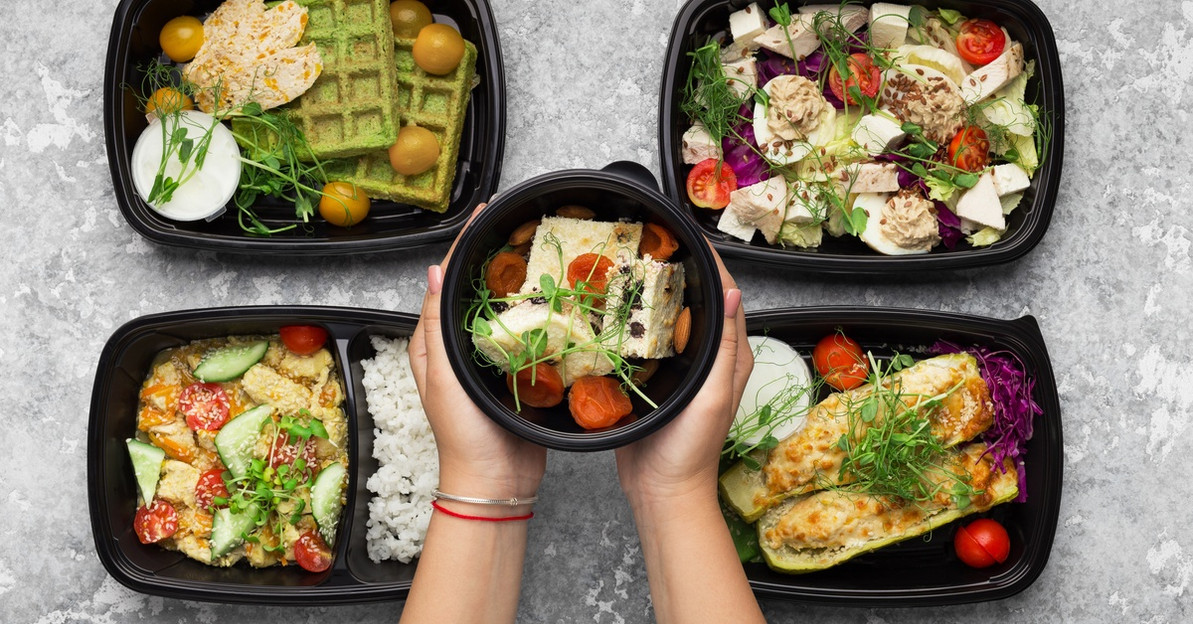
Plastic vs. Paper To-Go Containers: Which Do You Need?
With prep lists, ticket times, and supplier invoices demanding your attention, packaging decisions are too important to leave as an afterthought. Choosing between plastic and paper to-go containers depends on what you serve, your delivery methods, and what customers expect when they open their meal at home. Cost, storage space, speed, and waste regulations all factor into why this choice matters.
Start With Your Menu’s Mess Factor
Sort your menu by how each item behaves after it leaves the kitchen, and you’ll quickly narrow down your container options. For greasy foods, choose containers with liners or coatings that keep oils from soaking through. This helps prevent leaks and keeps customers happy. Saucy entrees need tight-fitting lids and sturdy corners, since you can’t control how delivery drivers handle bags during transit.
Foods that give off steam need containers with good airflow; otherwise, trapped moisture will make crispy foods go soggy. For cold dishes, keep ingredients separate and control moisture to help foods stay crisp and fresh, not soggy from condensation.
Quick Menu Checkpoints
- You’ll want leak resistance for soups, curries, and ramen.
- You’ll want grease control for wings, burgers, and fried snacks.
- You’ll want venting or spacing for fries, tacos, and crispy chicken.
- You’ll want chill protection for salads, fruit cups, and parfaits.
How Plastic Containers Help You Every Shift
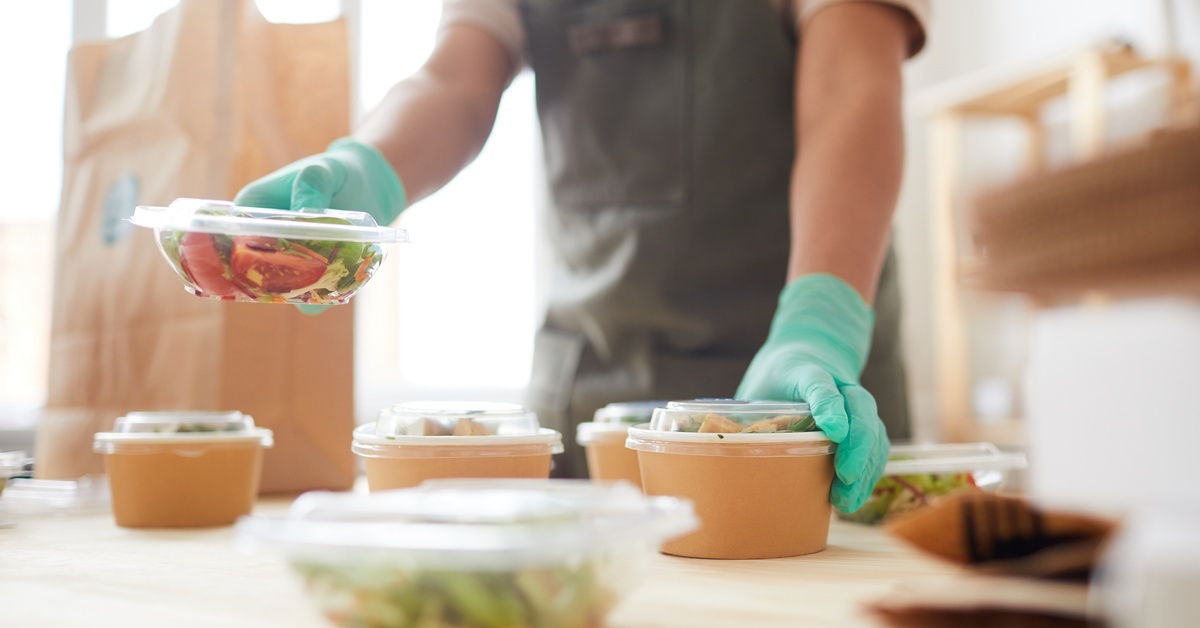
Plastic containers are a reliable choice when you need a tight seal and sturdy protection. Their rigid structure means you can stack them without worrying about crushed corners, and lids stay secure even if bags get jostled during transit. Liquids are less stressful to pack, too, since the walls won’t collapse under pressure.
These advantages extend to catering, where stacked orders can get heavy and softer packaging might give way. Clear plastic is especially helpful at the counter or in a cold case, allowing customers to easily see what they’re buying and speeding up grab-and-go sales.
Why Paper Containers Work for Counter Service
Paper containers are a good choice when you want a familiar look and easy handling for drier foods. Coated paper bowls and clamshells resist moisture and grease better than plain paper, and their clean surfaces make them ideal for branding, especially when pickup shelves are crowded.
Storing paper containers is convenient, too, since their nested stacks take up less shelf space than rigid plastic bases. Just remember to match the container’s coating to your menu, so sauces and oils don’t leak through during transport.
Don’t Forget About Heat, Steam, And Reheating
Your container needs to stay sturdy after it leaves your kitchen, so plan for how heat and moisture will affect it. Hot foods release steam, and if that steam gets trapped, crusts can go soft, and fries turn limp. Venting lids, cracking a corner, or keeping wet and dry components separate can help preserve texture without slowing down your service.
Reheating is also a factor; customers often warm up leftovers, and they’ll be quick to blame you if a container warps or a lid pops off. Large orders come with their own challenges; when containers are stacked, they can trap heat and moisture. That’s why you need packaging that stays sturdy and secure, even under pressure.
Efficient Packaging for Faster Service
You’re not just picking a material; you’re choosing a workflow your team will repeat all shift long. It’s a lot easier when containers open with one hand, snap shut securely, and stack without sliding around. You’ll move faster when lids always fit their bases, so no one’s left scrambling for the right top during a rush.
Portion control matters, too. Using consistent container sizes keeps plating uniform and prevents costly mistakes. If you’ve ever watched a new hire overfill a box, you know how spills and remakes can eat into your profits.
Packaging and Delivery: The Keys to Customer Happiness
You can run a tight kitchen but still lose an order in the last ten minutes if you overlook transport. Think of delivery as part of the cooking process. Containers need flat, stable bottoms because drivers rarely keep bags perfectly level. Lids should lock on tightly, since sauces will find any gap if a bag tips over.
Container shapes are important, too. Choosing shapes that fit your bags means you’ll pack more neatly and efficiently. Square and rectangular containers fit together snugly, so meals stay put and don’t shift around in transit.
Control Your Storage Space and SKU Count
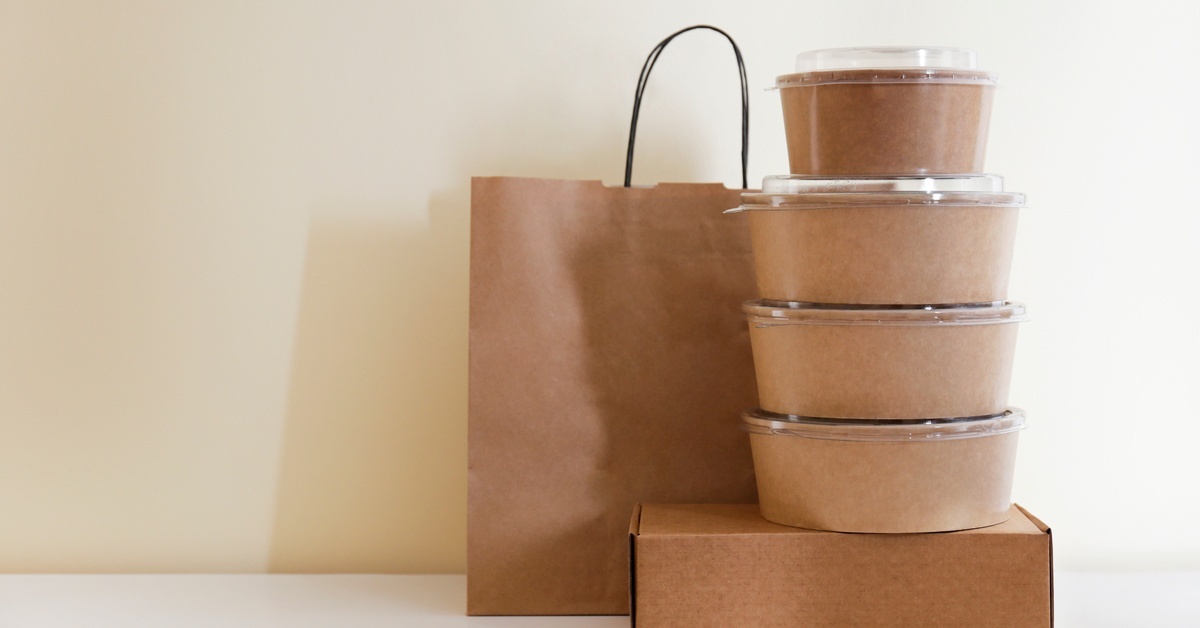
Shelf space is limited, and you don’t want a dozen container types confusing your team. It’s better to choose a small set of sizes that cover your menu, keeping ordering simple and staff consistent. This also reduces dead inventory, since odd sizes tend to sit untouched while you reorder the basics.
Standardizing lids helps too, since fewer lid types reduce packing mistakes. You’ll see the difference when ordering is less stressful, and counting inventory doesn’t turn into a weekly headache.
Sustainability and Local Rules: What You Should Know
Customers care about sustainability, and local regulations can change what packaging you’re allowed to use, so don’t make assumptions. Always check your city or county’s food packaging requirements, since rules differ from place to place. Also, confirm what your waste hauler and local recycling or composting facilities will accept, because a label doesn’t guarantee local processing.
Compostable packaging only works if your operation has the proper disposal setup in place. Train staff on where things go to avoid confusion, and keep your front-of-house messaging straightforward. When customers know exactly how to dispose of their packaging, they’re more likely to follow through.
Coffee Shops and Grab-and-Go: Packaging That Fits Your Flow
If you run a cafe or a grab-and-go operation, your packaging needs differ from those of a busy dinner spot. For cold cases, clear containers help customers quickly find what they want, speeding up sales. For breakfast or commuter crowds, containers that close tightly and prevent leaks are a must. No one wants a mess in their car on the way to work.
Don’t forget about add-ons like dips and dressings. Pack these extras separately, using portion cups or dividers, to keep meals fresh and prevent soggy food. Your customers will appreciate the extra care, and you’ll see fewer complaints and returns.
A Simple Checklist You’ll Actually Use
Make your decision easier by rating each option based on what you need. Look at leak resistance, grease control, stack strength, closing speed, and how well it holds up in a bag. Be sure to test how containers perform after 10 to 20 minutes, since that’s the typical time frame for most pickup and delivery orders.
Try a quick shift test with your top-selling menu items. You’ll learn more in one day than you ever could from a product spec sheet. Ask the team that packs the orders for feedback. They’ll know right away if there are problems with lids or messy corners.
Your Next Container Order, Made Simple
There’s no single “best” container. It all comes down to matching the right packaging to each job. Plastic is the top pick for saucy, liquid, or heavy orders because it keeps its shape and seals tightly. For drier foods or when you want a classic look for counter service, paper containers work well.
When you’re ready to restock, you can grab bulk to-go containers at one location, keeping your packaging consistent throughout the year. Choosing between plastic and paper to-go containers is easier when buying from a reputable supplier like Kevidko.
Recent Posts
-

The Ultimate Guide to Branding Your Take-Out Boxes
Branding is what keeps your restaurant top-of-mind, even after a customer has taken their last bite. …Mar 12th 2026 -
Tips for Transporting Food in Catering Boxes
Every catering professional knows the pressure: one mishap in transit, and hours of careful preparat …Mar 4th 2026 -
Plastic vs. Paper To-Go Containers: Which Do You Need?
With prep lists, ticket times, and supplier invoices demanding your attention, packaging decisions a …Mar 3rd 2026