
Plastic vs. Paper Catering Boxes: Which Is Better?
It’s easy to overlook packaging, but it shapes the first impression of your catering business, influencing everything from food presentation to your bottom line. The conversation around plastic and paper catering boxes is constantly changing as caterers balance price, durability, and environmental concerns.
Each option comes with its own unique advantages, making it a better fit for certain events or food types. The best choice for your business really depends on your needs, your clients’ preferences, and what you value most. Knowing the pros and cons of each material will help you make confident, informed decisions.
At Kevidko, we know that selecting the right supplies can streamline your operations and enhance your service quality. This guide breaks down the key differences between plastic and paper catering boxes so you can choose the option that works best for your business.
Durability and Food Protection
Plastic catering boxes excel at protecting food during transport and storage. The rigid structure prevents crushing, while secure lids keep contents from spilling during delivery.
For caterers managing large events or handling multiple orders at once, this reliability can reduce stress and minimize the risk of last-minute mishaps. When time is tight and presentation matters, knowing your packaging will keep food intact is a genuine advantage.
Plastic containers handle moisture exceptionally well, maintaining their integrity even when holding sauces, dressings, or steamy hot foods. They resist punctures and tears, which means your carefully prepared dishes arrive intact at event venues.
These catering food boxes also stack efficiently in delivery vehicles without collapsing under weight. However, extreme heat can cause some plastic containers to warp or release unwanted odors.
Paper boxes are better suited for lighter menu items like sandwiches, pastries, and dry foods, offering just the right amount of durability. They’re ideal for short-distance deliveries, though they can soften or weaken when exposed to moisture or grease. Plus, the paper's breathability helps prevent condensation, so fried foods and baked goods stay crisp and fresh.
Environmental Considerations
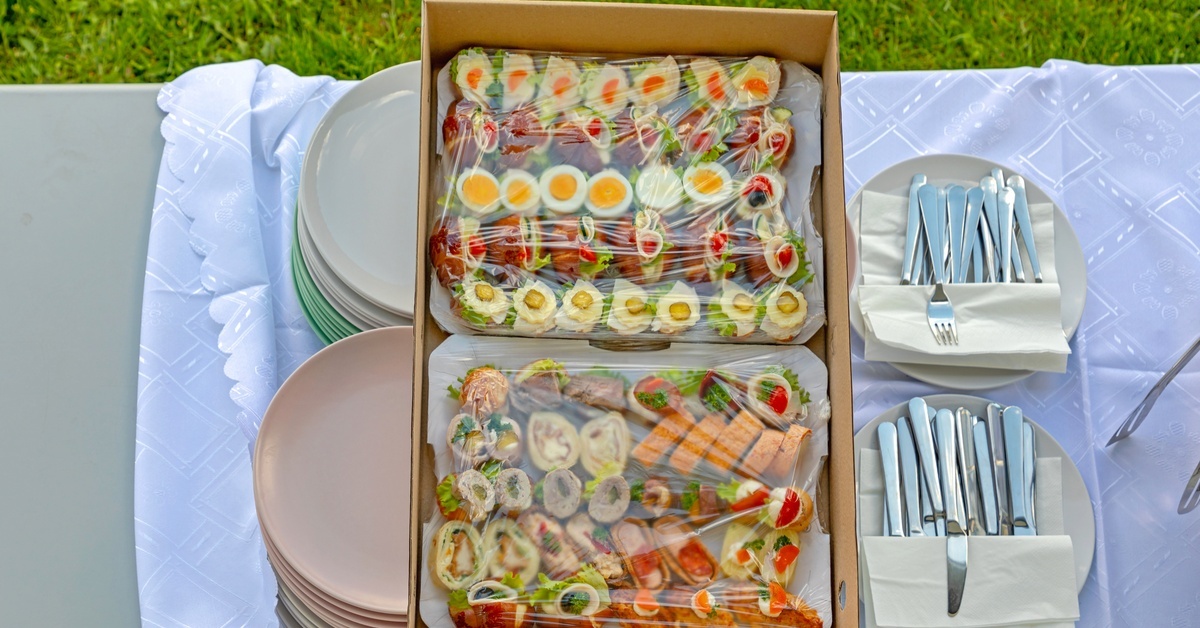
Paper catering boxes appeal to environmentally conscious clients and businesses committed to sustainability. These containers typically decompose faster than plastic and come from renewable resources when sourced responsibly.
Many paper options now feature compostable coatings that provide grease resistance without compromising biodegradability. Recycling programs widely accept paper packaging, making disposal straightforward for event venues and end consumers. However, the production process for paper requires significant water and energy resources.
The environmental impact of plastic containers is a bit more complicated. Traditional petroleum-based plastics can linger in landfills for centuries and contribute to pollution if not disposed of properly. However, advances in recycling programs have led to better plastic recovery rates, and many manufacturers now use recycled materials to make new containers.
It’s also worth considering that the infrastructure for plastic recycling varies widely by region, so what’s recyclable in one city might end up in a landfill elsewhere. For catering businesses, staying informed about local recycling regulations and educating staff and clients about proper disposal can help reduce your catering company’s environmental impact.
Some plastic options use plant-based materials that offer better end-of-life characteristics. The reusability factor also works in plastic's favor. Durable containers can serve multiple purposes beyond their initial use, extending their functional lifespan.
Cost and Value Analysis
Budget considerations influence every purchasing decision for catering companies. Plastic containers generally cost less per unit than their paper counterparts, especially when purchased in bulk. The lower price point allows you to allocate resources to other aspects of your business while maintaining professional packaging standards.
Plastic boxes also reduce food waste through superior protection, helping offset the initial savings of cheaper alternatives. You'll find plastic options at various price levels depending on thickness, features, and whether they include separate compartments.
Paper catering boxes often cost more due to the production process and the materials involved. The higher price reflects the eco-friendly benefits that today’s clients actively seek, and many are willing to pay a bit more to support sustainable business practices.
Additionally, using paper packaging can help boost your reputation with environmentally conscious customers and create new business opportunities. As sustainability continues to shape industry trends, offering paper options allows catering companies to stay ahead of client demands and distinguish themselves from competitors.
Volume discounts can narrow the price gap between materials, making paper more accessible for regular use. Consider the total value equation beyond just the purchase price. Factor in potential food loss, customer satisfaction, and brand alignment when comparing costs.
Practical Features for Catering Operations
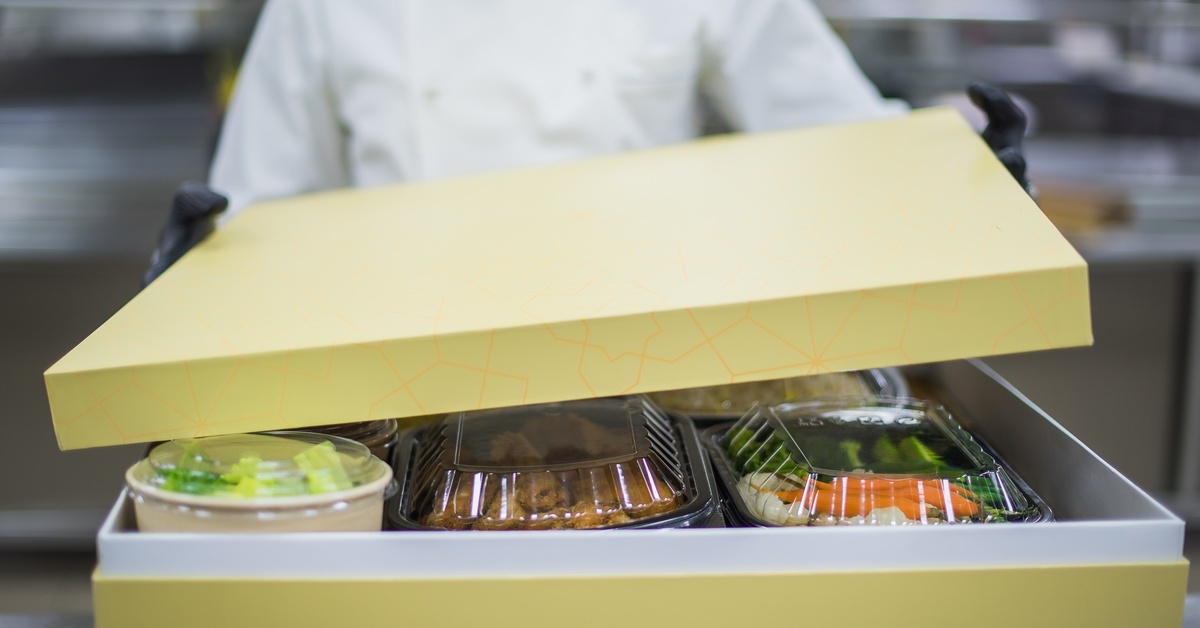
Every catering situation requires specific packaging needs. Depending on the event, menu, and delivery conditions, you’ll want to choose containers that match those unique requirements. Plastic boxes offer the following practical advantages:
- Clear visibility allows customers to see the food without opening containers.
- Microwave-safe options let guests reheat meals conveniently.
- Stackable designs maximize refrigerator and transport space efficiency.
- Compartmentalized versions keep different foods separated and fresh.
- Tamper-evident seals provide food safety assurance.
Paper containers offer several operational benefits for your catering business. They provide excellent insulation, keeping hot foods warm during delivery windows. The printable surface allows you to add custom branding that reinforces your company identity at every event.
Paper boxes feel premium and align with upscale presentations for high-end catering services. They're lighter than plastic, reducing shipping costs and making handling easier for your staff. Some paper options fold flat for compact storage, saving valuable space in your supply areas.
Making the Right Choice for Your Business
Your ideal packaging solution depends on your specific catering niche and client base. Consider plastic boxes when delivering foods with high moisture content, transporting orders over long distances, or serving clients who prioritize affordability and food safety. These containers work particularly well for meal prep services, corporate lunch programs, and large-scale events where practicality takes precedence.
Choose paper packaging when working with environmentally focused clients, catering upscale events, or serving foods that benefit from breathable containers. Many successful catering companies maintain an inventory of both materials to accommodate different situations and client preferences. This flexible approach positions you to meet diverse demands without compromising service quality.
Kevidko makes ordering supplies for your restaurant or business easier by offering a comprehensive selection and reliable delivery. The ongoing discussion of whether a plastic or a paper catering box is the better option resolves when you align your packaging choices with your business model, values, and customer expectations.
Recent Posts
-

Common Mistakes in Ordering Restaurant Supplies
Running a restaurant means juggling dozens of tasks every single day. Between managing staff, pleasi …Feb 4th 2026 -

Benefits of Windowed Bakery Boxes for Display
Imagine a customer’s eyes lighting up as they spot your stunning pastries through a crystal-clear wi …Jan 15th 2026 -

Plastic vs. Paper Catering Boxes: Which Is Better?
It’s easy to overlook packaging, but it shapes the first impression of your catering business, influ …Jan 15th 2026