
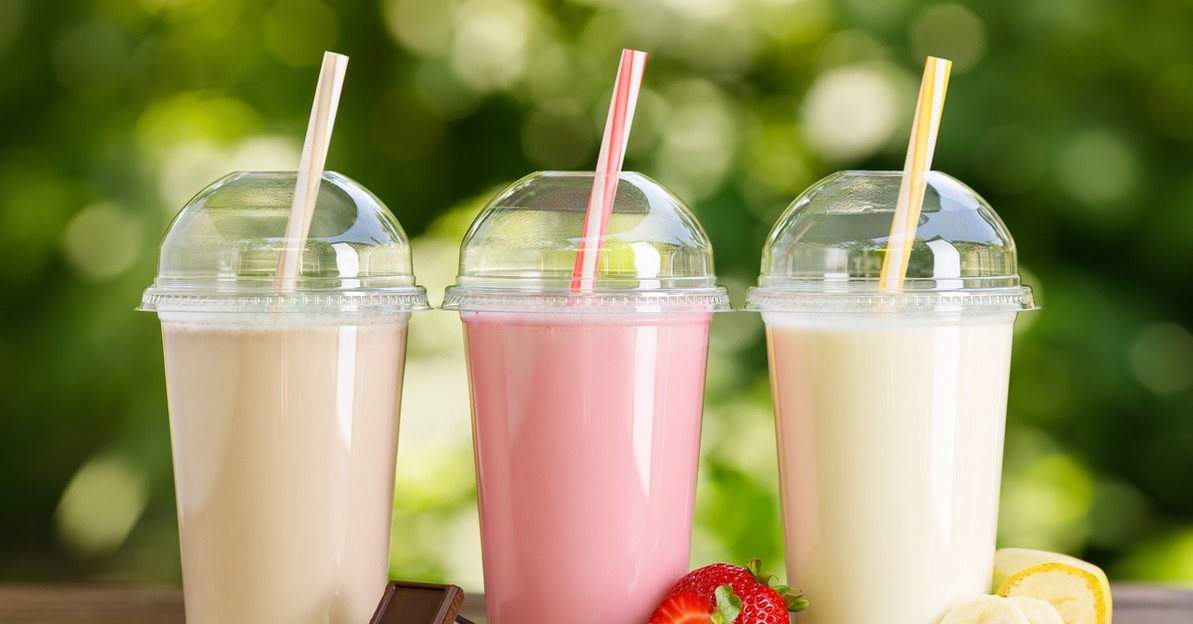
Dos and Don'ts of Storing PET Cups & Lids
Your restaurant's success depends on countless small details, and the proper storage of supplies ranks high on that list. When you invest in quality PET cups and lids, you want them to arrive at your customers' tables in perfect condition.
The way you store these essential items directly impacts their usability, your costs, and the customer experience you deliver. The following dos and don’ts of storing PET cups and lids ensure you get the most value from every order.
Do: Keep PET Cups in Their Original Packaging
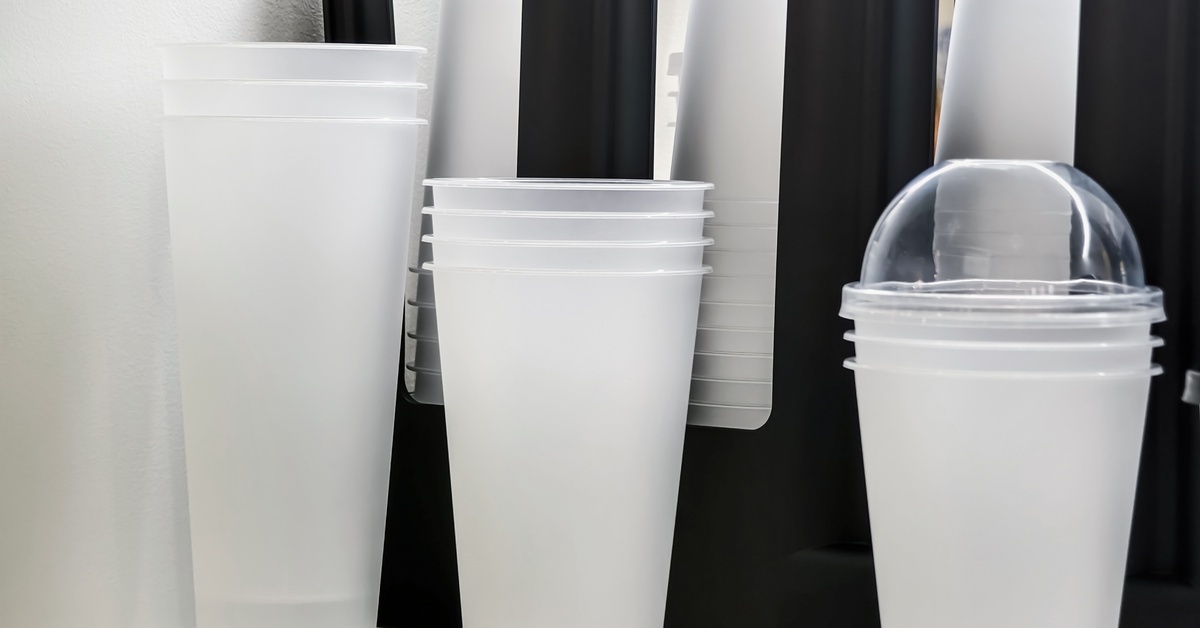
Manufacturers specifically package PET cups to keep them clean, undamaged, and ready for use. The original sleeves and boxes protect your cups from dust, moisture, and physical damage during storage. When you leave cups in their packaging, you maintain their pristine condition and extend their shelf life.
Opening multiple packages at once exposes more inventory to potential contamination. Keep your stockroom organized by opening only what you need for immediate use.
This habit makes it easier for staff to find what they need quickly and reduces the chance of accidental spills or mix-ups. This approach also helps with inventory rotation and prevents waste.
Don't: Stack Too High or Apply Pressure
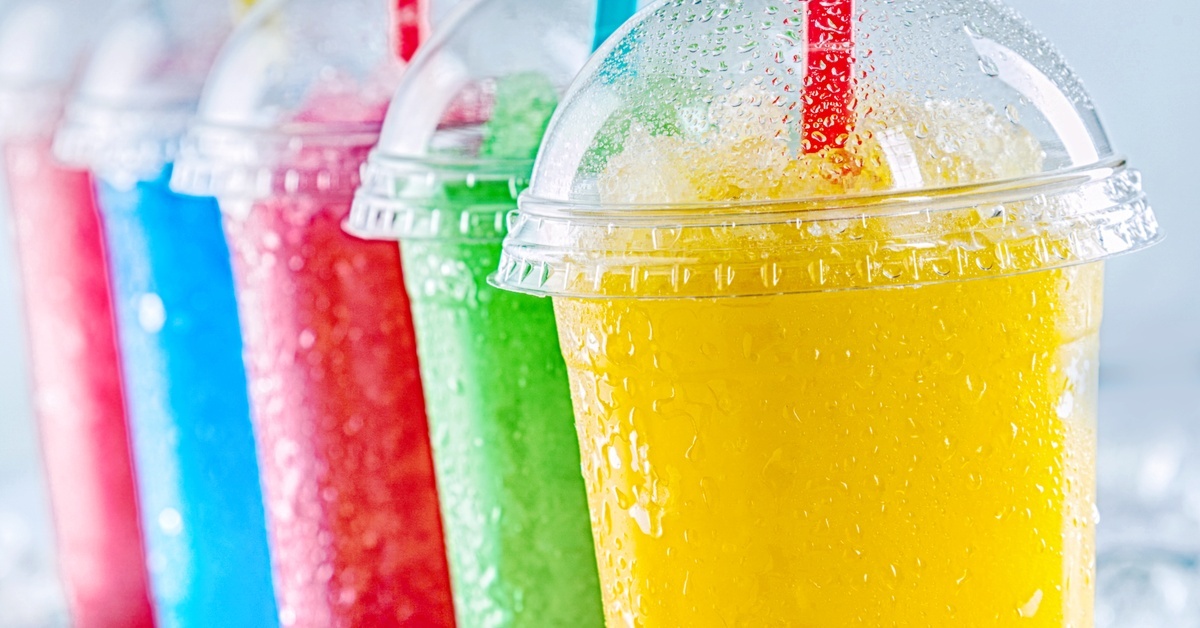
PET cups handle weight differently than their heavier counterparts. Stacking too many cases can put pressure on the bottom cups, potentially deforming or cracking them. The thin walls that make PET clear cups lightweight and cost-effective also make them susceptible to crushing.
Limit your stack height to what the manufacturer recommends, typically no more than five to six cases high. Place heavier items on lower shelves and lighter supplies up top.
Your storage area should allow easy access without requiring you to move multiple boxes to reach what you need. By stacking smartly, you reduce the risk of accidental damage and make it easier for your staff to restock quickly during busy times.
Do: Control Temperature and Humidity
Temperature swings and high humidity are terrible for PET storage. While PET material resists moisture better than paper products, extreme conditions can still cause issues.
Heat can warp cups and affect their structural integrity. Excessive moisture can cause problems with cardboard packaging and may affect the cups themselves.
Store your supplies in a climate-controlled area, away from heat sources such as ovens, dishwashers, and direct sunlight. A cool, dry stockroom maintains product quality and prevents premature degradation.
The ideal storage temperature falls between 50°F and 80°F with humidity levels below 50%. Regularly monitoring these conditions can help you avoid problems before they affect your inventory or disrupt your daily operations.
Don't: Store Near Chemicals or Strong Odors
PET material can absorb odors from its surroundings. Your cleaning supplies, while essential to your operation, should never share shelf space with your cups and lids. Store strong-smelling items such as detergents, sanitizers, or food waste containers in separate areas.
Cross-contamination from chemicals poses serious health risks to your customers. Even if cups appear clean, they can still absorb surrounding odors, altering the taste of beverages and leaving customers dissatisfied.
Setting clear boundaries for chemicals and disposables makes it easier for staff to follow safety protocols and protects your business’s reputation. Create dedicated zones in your storage area to keep items separate.
Do: Implement a First-In, First-Out System
Strategic inventory management prevents waste and ensures freshness. A first-in, first-out (FIFO) rotation system keeps your oldest stock on the shelves as newer deliveries arrive. Date your deliveries upon arrival and place them behind existing inventory.
This system offers several benefits for your operation:
- Reduces product waste from expired or degraded inventory
- Maintains consistent product quality for customers
- Simplifies stock checks and reordering processes
- Prevents forgotten inventory from sitting unused
- Improves supply chain efficiency
Regular inventory checks help you spot potential storage issues before they affect service. Train your staff on proper procedures to maintain consistency across all shifts.
Don't: Leave Lids Loose or Disorganized
Lids may not seem as important as other higher-priced items, but storing them carelessly can cause problems during busy shifts. Poorly stacked lids can slow down your team and increase the risk of contamination. When staff members dig through a disorganized pile, they touch multiple lids before finding the correct size.
Keep lids in their original sleeves or use dedicated organizers that clearly separate sizes. Label storage areas so any team member can quickly grab what they need. This organization speeds up service and maintains sanitation standards.
Do: Protect Inventory from Pests
Your stockroom attracts pests looking for food and shelter. While pests typically target food items, they can damage packaging and contaminate your cup and lid inventory. Sealed packaging provides the first line of defense, but your overall storage practices matter too.
Keep storage areas clean and free from spills or food debris. Regularly inspect inventory for signs of pest activity. Maintain proper spacing between stored items and walls to allow for cleaning and pest detection. Work with professional pest control services to prevent infestations before they start.
Don't: Ignore Damaged Packaging
Torn sleeves, crushed boxes, or water-damaged packaging compromise your inventory. Damaged packaging exposes cups and lids to contamination, making them unsuitable for customer use. The small savings from using compromised supplies never justify the risk to food safety or your reputation.
Inspect deliveries immediately upon arrival and document any shipping damage. Check stored inventory regularly for signs of deterioration. Remove damaged items from service areas and contact your supplier about replacements when appropriate.
Maximize Your Investment
Proper storage practices protect your inventory investment and help your team manage busy periods. Overlooking these details can lead to unexpected costs, wasted supplies, and dissatisfied customers.
Taking the time to get storage right helps you maintain a reputation for quality and reliability. The dos and don’ts of storing PET cups and lids might seem like minor details, but they can significantly impact your bottom line and customer satisfaction.
When you source your supplies from Kevidko, you partner with a team that understands the challenges you face every day. We make ordering easier so you can focus on what matters most: running a successful food service operation that keeps customers coming back.
Recent Posts
-

Dos and Don'ts of Storing PET Cups & Lids
Your restaurant's success depends on countless small details, and the proper storage of supplies ran …Feb 5th 2026 -

Common Mistakes in Ordering Restaurant Supplies
Running a restaurant means juggling dozens of tasks every single day. Between managing staff, pleasi …Feb 4th 2026 -

Benefits of Windowed Bakery Boxes for Display
Imagine a customer’s eyes lighting up as they spot your stunning pastries through a crystal-clear wi …Jan 15th 2026