

Common Mistakes in Ordering Restaurant Supplies
Running a restaurant means juggling dozens of tasks every single day. Between managing staff, pleasing customers, and maintaining quality standards, ordering supplies often becomes an afterthought. Many restaurant owners fall into preventable traps when ordering inventory. These missteps lead to wasted money, disrupted operations, and unnecessary stress.
Careful planning and regular review of your supply ordering process can make a dramatic difference in your bottom line throughout the year. Even small changes in your approach can bring noticeable efficiency improvements and reduce long-term costs.
Understanding common mistakes in ordering restaurant supplies helps you avoid costly errors and keeps your kitchen running smoothly. This guide walks you through the most frequent ordering pitfalls and shows you how to sidestep them.
Ordering Without Tracking Inventory Levels
Many restaurants order supplies based on guesswork rather than actual data. Owners glance at their storage areas and make rough estimates about what they need. This approach creates serious problems. You end up with too much of some items and not enough of others.
Excess inventory ties up your cash and takes up valuable storage space. Perishable items spoil before you can use them. Meanwhile, running out of key ingredients forces you to make emergency orders at higher prices or remove popular dishes from your menu.
Start tracking what you use each week. Write down quantities and monitor patterns. Notice which items you consume faster during busy periods.
Set reorder points for each product, so you know exactly when to place your next order. Digital inventory management tools simplify this process, but even a basic spreadsheet works better than guessing. Accurate tracking prevents both waste and shortages.
Focusing Only on Price
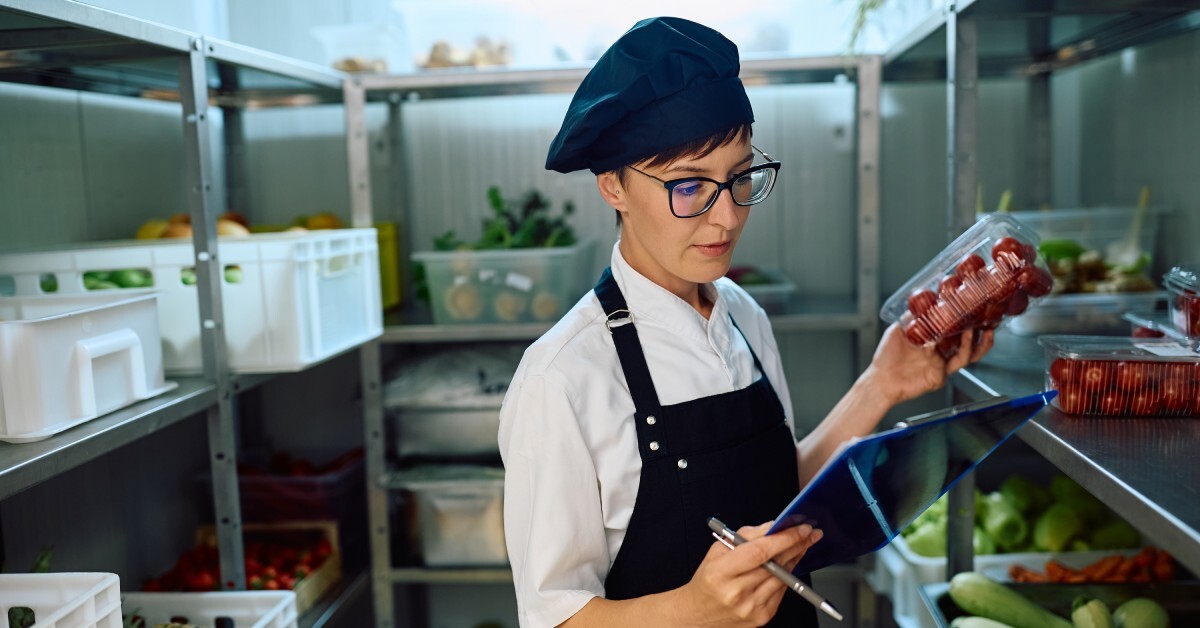
Price matters when you run a business on tight margins. However, choosing suppliers solely based on the lowest cost creates problems down the line. Cheap suppliers often cut corners on quality, consistency, or service. You might save money per unit but lose more through other channels.
Low-quality ingredients affect the taste and presentation of your food. Customers notice the difference and may not return. Unreliable suppliers miss delivery windows or send incorrect orders. These issues force you to scramble for last-minute solutions. Poor customer service from a food supplier wastes your time when you need quick answers or order adjustments.
Consider the total value each supplier provides. Look at product quality, delivery reliability, customer support, and payment terms. A supplier who charges slightly more but delivers consistently and resolves issues quickly often costs less in the long run.
Build relationships with vendors who understand your needs and help your business succeed. A quality food service supplier becomes a partner in your success rather than just an order fulfillment service.
Ignoring Seasonal Price Fluctuations
Food prices change throughout the year based on growing seasons, weather conditions, and demand patterns. Restaurant owners who ignore these fluctuations pay more than they need to and miss opportunities to save money. In the summer, tomatoes are cheaper and easier to find. Seafood prices fluctuate with fishing seasons and regulations.
Strategic ordering means planning around these patterns. Research which ingredients cost more during certain months. Adjust your menu to feature items that are currently affordable and readily available. This strategy reduces your food costs while ensuring peak freshness and flavor.
Consider these approaches to manage seasonal changes:
- Buy larger quantities of non-perishable items when prices drop.
- Freeze or preserve ingredients during their peak season.
- Design seasonal menus that highlight affordable ingredients.
- Build relationships with local farmers for better deals on fresh produce.
- Track price trends over time to predict future fluctuations
Planning your orders around seasonal availability helps you control costs without sacrificing quality. Your menu stays fresh, and your customers enjoy ingredients at their best.
Placing Orders Too Frequently or Infrequently
Order timing affects your efficiency and bottom line. Some restaurants order supplies multiple times per week, which creates extra work and higher costs. Each delivery requires staff time to receive, check, and store items. Frequent small orders also mean higher delivery fees and less negotiating power with suppliers.
On the other hand, ordering too infrequently causes different problems. You need more storage space for bulk purchases. Perishable items risk spoiling before you use them. Running out of supplies between orders disrupts your operations and frustrates your team.
Find the right balance for your operation. Most restaurants benefit from ordering once or twice weekly for perishables and every two weeks for dry goods and supplies.
Consider your storage capacity, menu variety, and customer volume. Establish a consistent schedule that matches your needs. Regular ordering rhythms help you predict costs, manage cash flow, and maintain strong supplier relationships. Your team also appreciates the predictability of knowing when shipments arrive.
Failing To Review and Audit Orders
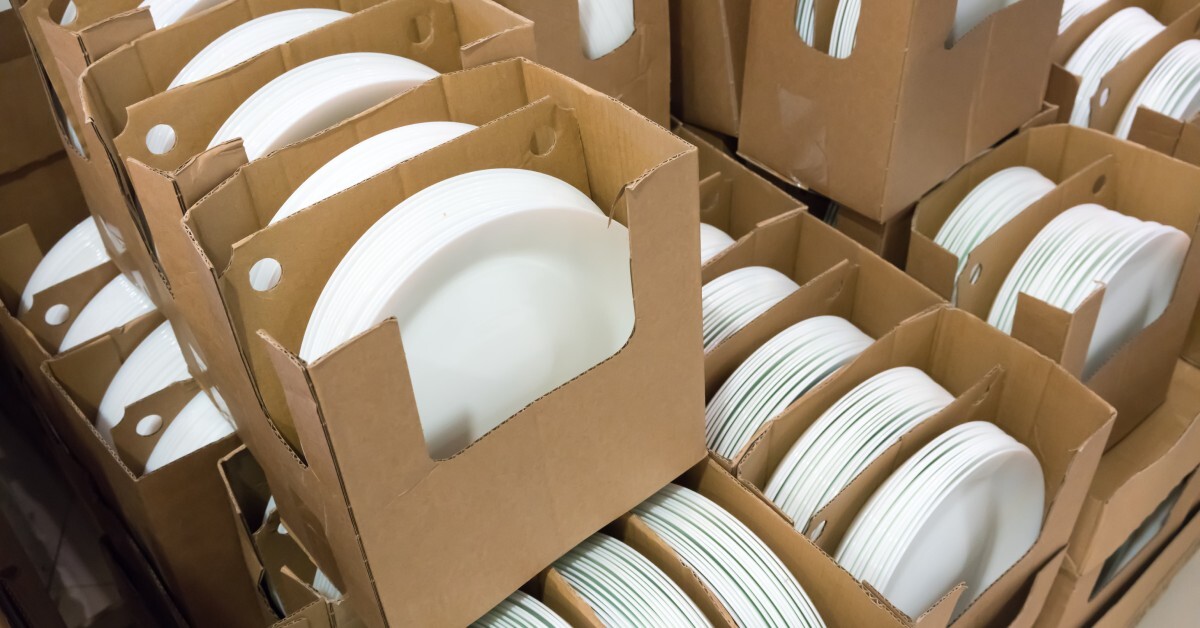
Restaurant owners get busy and often approve invoices without careful review. This habit costs money through billing errors, unauthorized charges, and quantity discrepancies. Suppliers make mistakes. Their staff might charge for items you didn't receive or bill you at the wrong price.
Check every delivery against your order form and invoice. Count items as they arrive. Verify that the quality matches what you ordered. Compare invoice prices to your agreed rates. This process takes time but catches errors before you pay for them.
Keep records of all orders and invoices. Review your spending patterns monthly to spot unusual charges or price increases. Notice if certain suppliers consistently make errors. These reviews help you identify which vendors deserve your continued business and which ones need replacement.
The time you invest in auditing saves substantial money over the course of a year. You also send a clear message to suppliers that you pay attention to details and expect accuracy. This awareness often leads to better service and fewer mistakes in future orders.
Bringing It All Together: Smarter Supply Ordering for Restaurants
Avoiding these common mistakes when ordering restaurant supplies protects your profits and operations. Track your inventory carefully, look beyond rock-bottom prices, plan for seasonal changes, establish smart ordering schedules, and always verify what you receive. These practices seem simple, but they require consistent attention and discipline.
Small improvements in your ordering process create significant benefits over time. You'll spend less money, reduce waste, and free up mental energy for other aspects of your business. Take control of your supply ordering today, and watch your restaurant operations become more efficient and profitable.
Recent Posts
-

Dos and Don'ts of Storing PET Cups & Lids
Your restaurant's success depends on countless small details, and the proper storage of supplies ran …Feb 5th 2026 -

Common Mistakes in Ordering Restaurant Supplies
Running a restaurant means juggling dozens of tasks every single day. Between managing staff, pleasi …Feb 4th 2026 -

Benefits of Windowed Bakery Boxes for Display
Imagine a customer’s eyes lighting up as they spot your stunning pastries through a crystal-clear wi …Jan 15th 2026