
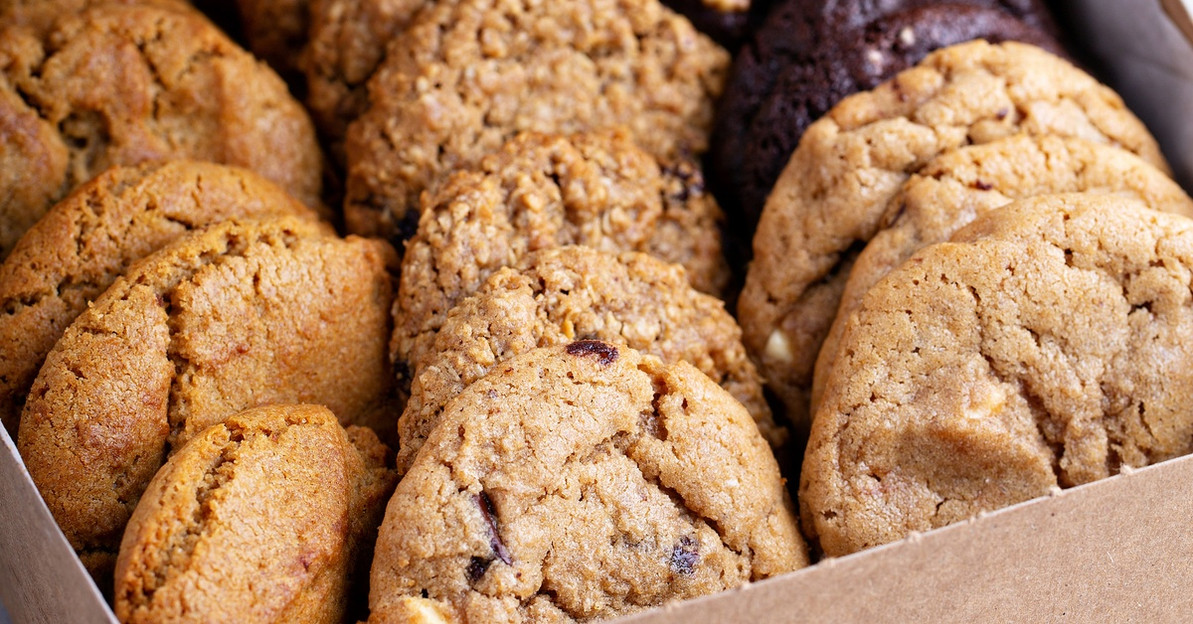
Bakery Box Materials: Paperboard vs. Kraft
Choosing the right packaging materials can affect how your customers experience your baked goods. When you select bakery boxes, two materials consistently rise to the top of the list: paperboard and kraft.
Both materials serve your business well, yet they offer distinct characteristics that affect everything from presentation to durability. Understanding these differences helps you make wise purchasing decisions that align with your brand identity and customer expectations.
Whether you run a boutique bakery specializing in custom cakes or a busy restaurant with a thriving dessert menu, the packaging you choose speaks volumes about your commitment to quality. This comprehensive guide compares paperboard and kraft bakery box materials, examining their unique properties, benefits, and considerations to help you select the perfect packaging solution for your business.
What Makes Paperboard Bakery Boxes Stand Out
Paperboard boxes lend your bakery packaging a polished, professional appearance. Manufacturers create this material by pressing multiple layers of paper pulp together, resulting in a smooth, sturdy surface that showcases printing beautifully. The refined finish gives your packaging an upscale feel that customers associate with premium products.
You can customize paperboard boxes with vibrant colors, intricate designs, and your logo to create memorable brand experiences. The material is highly versatile, allowing for gloss, matte, or aqueous coatings that help shield your packaging from moisture and grease.
Many bakeries choose paperboard for special-occasion items like wedding cakes, celebration pastries, and gift boxes because it enhances the perceived value. This added sense of luxury elevates simple baked goods, making them feel more gift-worthy and appealing to customers seeking high-quality presentations.
The structural integrity holds up well during transport, protecting delicate items from damage. Paperboard also offers excellent stackability for efficient storage in your workspace, maximizing valuable shelf space in busy kitchen environments.
Understanding Kraft Paper Box Benefits
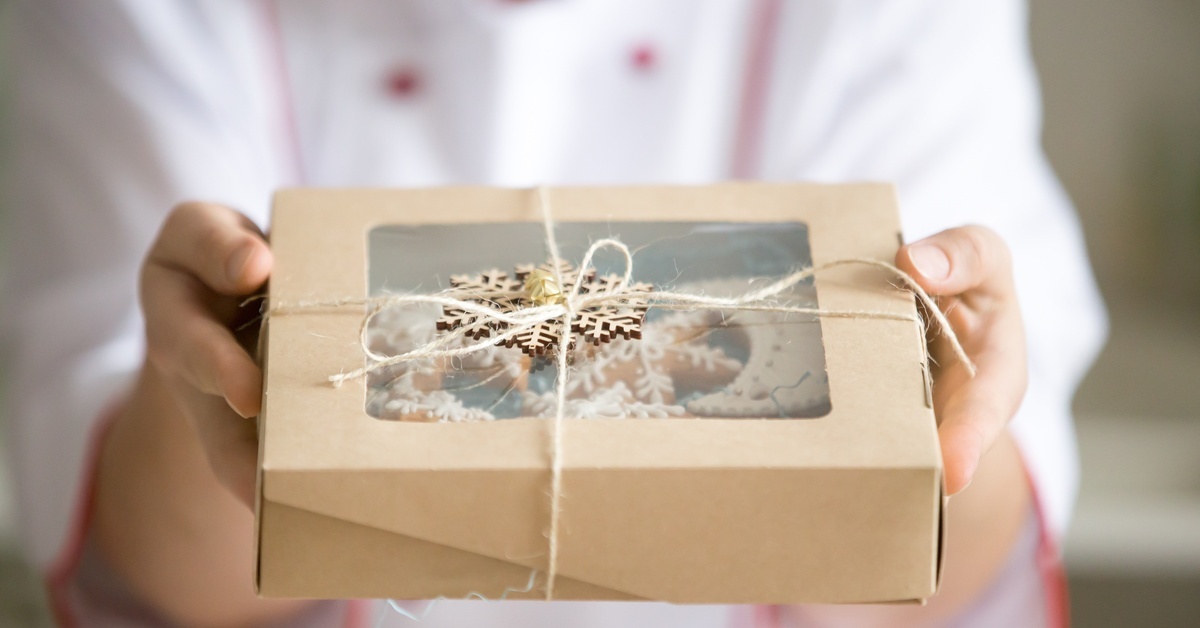
Kraft boxes deliver an authentic, eco-conscious aesthetic that resonates with today's environmentally aware consumers. The natural brown color comes from the minimal processing required during manufacturing, which leaves more of the wood’s lignin intact. This production method creates a stronger material than standard bleached paper products.
Its rustic appearance sends a clear message of transparency and honesty about your ingredients and business practices. Many customers actively look for businesses that demonstrate environmental responsibility, and kraft packaging clearly conveys this message.
This connection to sustainability can strengthen customer loyalty, especially among shoppers who prefer supporting brands that prioritize environmentally responsible production and packaging choices. Additionally, the material performs exceptionally well with heavier baked goods, providing reliable support for dense breads, thick cookies, and substantial pastries.
Kraft boxes also cost less than many alternatives, allowing you to invest savings in other areas of your business. The material biodegrades quickly in natural environments, reducing your ecological footprint. When you order bulk bakery boxes in kraft material, you combine cost efficiency with environmental stewardship, creating value for both your business and your community.
Comparing Durability and Protection
The structural performance of your packaging directly affects customer satisfaction and product integrity. Paperboard excels in applications that require rigidity and shape retention, making it ideal for tiered cakes and delicate pastries with elaborate decorations.
The material resists bending and crushing better than thinner alternatives, ensuring your creations arrive intact. However, paperboard can weaken when exposed to excessive moisture or grease unless you apply protective coatings.
Kraft paper offers superior tear resistance due to longer wood fibers that remain intact during the less intensive manufacturing process. This strength benefits businesses that rely on shipping their baked goods or serve customers who travel longer distances.
The material handles humidity better in its natural state, though both materials benefit from additional protective layers when used to contain oily or moist items. Consider these factors when matching materials to your specific products:
- Delicate buttercream cakes need rigid paperboard support
- Heavy artisan breads perform well in sturdy kraft boxes
- Frosted cookies require grease-resistant coatings regardless of the base material
- Layered desserts benefit from paperboard's superior stacking strength
Cost Considerations for Your Business
Budget constraints affect every business decision, and packaging expenses add up quickly when you serve hundreds of customers daily. Kraft boxes generally cost less than paperboard boxes because the manufacturing process requires fewer steps and less energy.
The price difference becomes significant when ordering large quantities, potentially saving your business hundreds of dollars annually. However, consider the complete value proposition rather than focusing solely on upfront costs.
Paperboard's premium appearance might justify higher prices for specialty items that command better profit margins. Some customers willingly pay more for products presented in attractive packaging that feels gift-worthy.
Calculate your cost per unit, your selling price, and your profit margins to determine which material delivers the best overall value. Volume discounts apply to both materials, so purchasing larger quantities reduces per-unit expenses.
Storage space also factors into total costs. You’ll want to ensure your facility can accommodate bulk orders before committing to large purchases. Even small differences in durability or ease of assembly can impact labor time and overall expenses, ultimately shaping which material delivers the most value.
Making the Right Choice for Your Brand
Your packaging selection should reflect your brand values and customer expectations. Paperboard works well for bakeries that aim to present themselves as upscale, sophisticated, or focused on celebration cakes and custom creations. The clean, customizable surface provides a canvas for expressing your unique brand personality through colors, patterns, and messaging.
Kraft packaging aligns with brands emphasizing natural ingredients, artisanal methods, or environmental consciousness. An honest, unpretentious appearance appeals to customers seeking authentic, wholesome food experiences.
Some successful businesses use both materials strategically—paperboard for premium items and kraft for everyday products—maximizing the strengths of each. Consider your target demographic’s preferences and values when making this decision.
Test both options with regular customers and gather feedback about their preferences and perceptions. Remember that consistency matters; switching packaging materials frequently can confuse customers and dilute brand recognition.
The choice between paperboard and kraft bakery box materials ultimately depends on how well the material meets your operational needs, budget constraints, and marketing goals. Shop Kevidko’s bulk bakery boxes today and get quality packaging at a price that fits your budget.
Recent Posts
-
Tips for Transporting Food in Catering Boxes
Every catering professional knows the pressure: one mishap in transit, and hours of careful preparat …Mar 4th 2026 -
Plastic vs. Paper To-Go Containers: Which Do You Need?
With prep lists, ticket times, and supplier invoices demanding your attention, packaging decisions a …Mar 3rd 2026 -

Advantages of Foil Over Other Food Packaging
Restaurants and foodservice businesses face constant packaging decisions across prep and storage, tr …Mar 2nd 2026