

5 Common Mistakes When Ordering Custom Cups
Custom cups give your bakery or restaurant a professional edge and allow you to promote your brand with every drink you serve. However, ordering custom cups requires careful consideration to avoid costly errors that can impact your budget, brand image, and customer satisfaction.
Many food service businesses rush through the ordering process without fully understanding the specifications, materials, or minimum order quantities involved. These oversights can lead to products that don't meet expectations or practical needs.
Understanding the five common mistakes when ordering custom cups helps you make informed decisions and ensures you receive high-quality products that represent your business well. This guide walks you through the most frequent pitfalls and provides practical solutions to help you order custom cups with confidence.
1. Ignoring Material Selection for Your Beverage Types
Choosing the wrong material for your custom cups creates problems that extend beyond simple functionality. Your beverage menu should directly influence your material decisions, as different drinks require specific cup properties. Hot beverages demand insulated or double-walled cups that protect customers from burns, while cold drinks need cups that resist condensation and maintain structural integrity.
Many businesses default to the cheapest option without considering how different materials perform with their specific products. A smoothie shop needs thick, durable cups that won't collapse under the weight of frozen drinks, while a coffee shop benefits from heat-resistant materials.
A PET cup supplier can guide you toward materials that match your beverage lineup, but you must clearly communicate your specific requirements. Temperature retention, condensation control, and structural strength vary dramatically across materials. Taking the time to match the cup materials to your beverage offerings prevents customer complaints and wasted inventory.
2. Underestimating Design Complexity and Print Quality
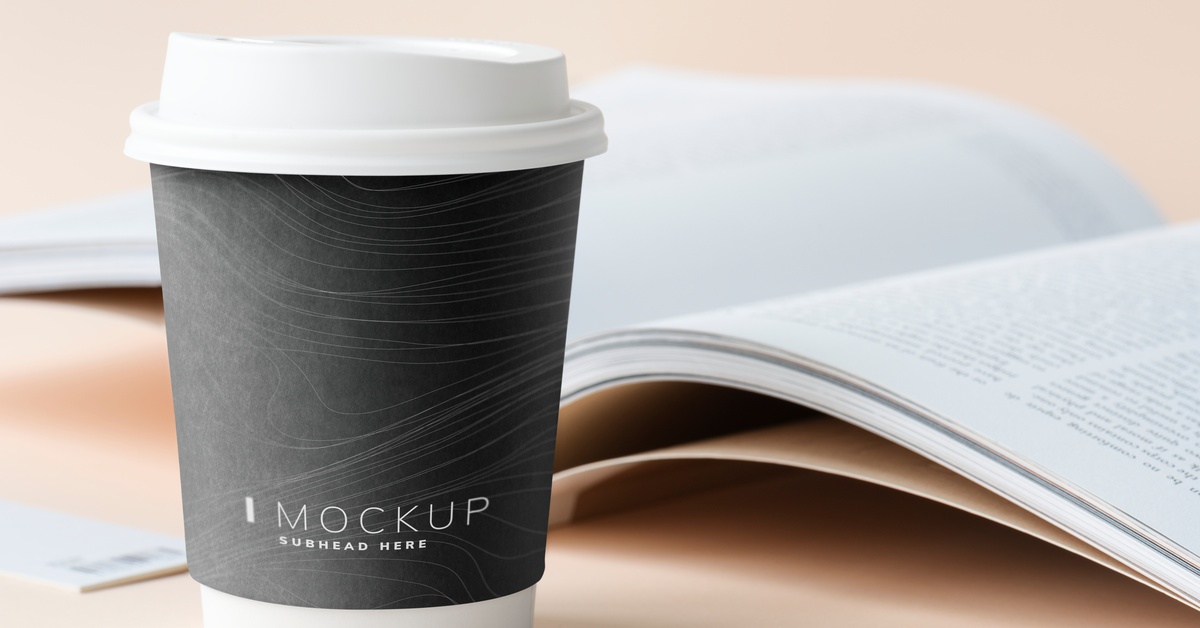
Design mistakes cost businesses money and damage brand perception in ways that aren't immediately obvious. Many restaurants create overly complex designs with gradients, small text, or intricate details that don't translate well to cup printing.
The printing process has specific limitations regarding color accuracy, resolution, and imaging reproduction. Your design might look stunning on a computer screen but may appear blurry or faded on the actual cups. Consider these design factors:
- Minimum font sizes for readability (generally 8-point or larger)
- Color limitations based on printing method (spot colors vs. full-color printing)
- Logo complexity and how fine details appear at actual size
- Contrast between background and text elements
- Bleed areas and safe zones for critical information
Simple, bold designs typically yield the best results and ensure your brand message stays clear and professional. Request physical samples before committing to large orders, as screen renderings often don't accurately reflect the appearance of printed cups. Working closely with your supplier's design team prevents expensive reprints and ensures your cups look as professional as you envisioned.
3. Miscalculating Order Quantities and Storage Requirements
Ordering decisions require balancing cost savings against practical storage limitations and product shelf life. Larger orders typically offer better per-unit pricing, which tempts businesses to order more than they need. However, custom cups require proper storage in climate-controlled environments to prevent warping, discoloration, or degradation.
Calculate your actual monthly usage based on historical sales data rather than optimistic projections. Consider your storage space carefully; cases of cups take up significant space, and improper storage can damage inventory.
Seasonal businesses face additional challenges, as ordering annual supplies during peak season might seem economical but creates storage problems during slower months. Minimum order quantities vary by supplier and customization level, so communicate your realistic needs upfront.
Starting with smaller initial orders lets you test for quality and monitor customer response before committing to bulk purchases. Balance the financial benefits of volume discounts against the real costs of storage space, potential waste from unused inventory, and the risk of design changes rendering large stockpiles obsolete.
4. Overlooking Size Variety for Different Menu Items
Offering only one cup size limits your operational flexibility and potentially costs you money through wasted materials. Your menu features different beverage types and serving sizes, and your cup inventory should reflect this variety. A single 16-ounce cup might work for medium coffees but creates problems for espresso drinks, large sodas, or sample-size offerings.
Customers notice when you serve small drinks in oversized cups; it looks cheap and wasteful. Analyze your complete beverage menu and identify the distinct size categories you actually serve. Most successful food service businesses stock three to four cup sizes to efficiently cover their menu range.
Consider how different drink sizes affect your pricing structure and profit margins. Larger cups cost more but enable premium pricing for upgraded sizes. Smaller cups provide better portion control and cost efficiency for concentrated beverages.
Ordering multiple sizes in a single design maintains brand consistency while providing operational flexibility. Coordinate your size selections with your lid inventory to avoid compatibility issues that frustrate staff and customers.
5. Failing To Request Samples Before Placing Large Orders
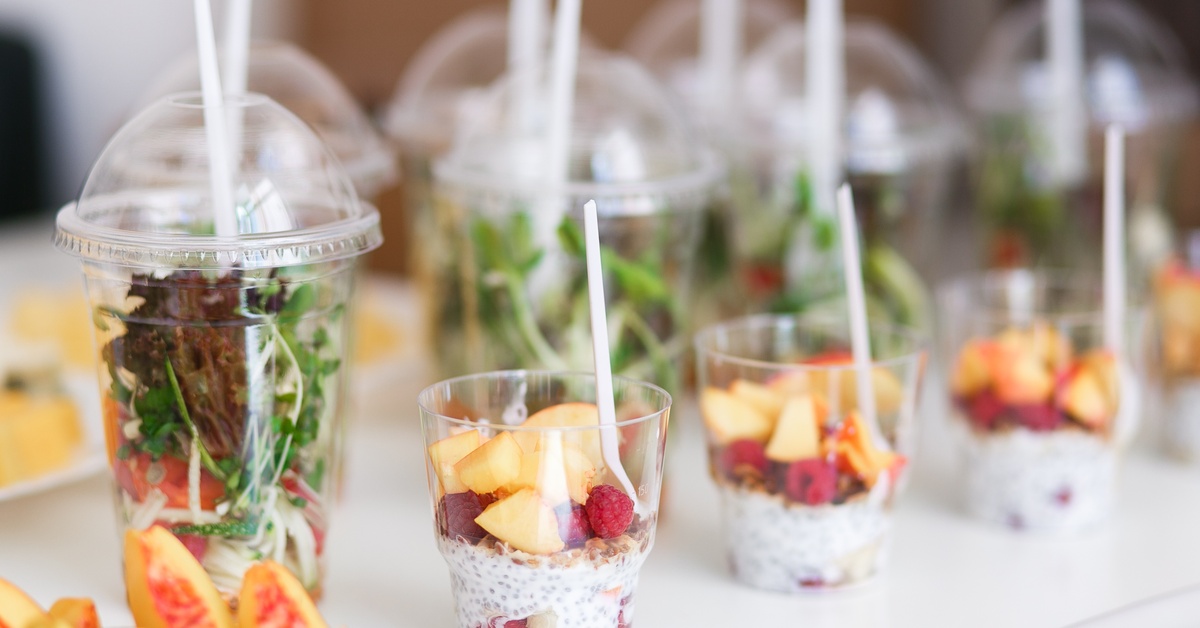
Committing to thousands of custom cups without seeing physical samples ranks among the most expensive mistakes businesses make. Digital mockups and design proofs show the general appearance but can't convey actual material quality, printing accuracy, or functional performance. Physical samples reveal crucial details about cup thickness, structural stability, color accuracy, and print quality.
Request samples that use the exact materials, printing methods, and specifications you plan to order. Test these samples with your actual beverages under real service conditions. Fill them with hot and cold drinks, let them sit for typical service periods, and see how they perform. Check how the cups feel in customers' hands and whether the print quality meets your standards.
Samples also help you evaluate whether your design works in real-time. Elements that seem perfect on screen sometimes appear cramped or unclear on physical cups. Share samples with your staff to gather feedback on functionality and appearance. This small investment in samples prevents large-scale disappointments and ensures your final order meets expectations.
Order Smart, Build Your Brand
Avoiding the five common mistakes when ordering custom cups protects your investment and strengthens your brand's presence in a competitive market. Smart ordering decisions start with understanding your specific needs, communicating clearly with suppliers, and testing products before committing to large quantities.
Custom cups represent your business with every drink you serve, making quality and accuracy essential to customer perception. At Kevidko, we understand the unique challenges food service businesses face when ordering supplies. Our experienced team provides custom cups that exceed expectations, so you can focus on running your business. Visit our website and discover how easy it is to order supplies for your restaurant, bakery, or foodservice business.
Recent Posts
-

The Ultimate Guide to Branding Your Take-Out Boxes
Branding is what keeps your restaurant top-of-mind, even after a customer has taken their last bite. …Mar 12th 2026 -
Tips for Transporting Food in Catering Boxes
Every catering professional knows the pressure: one mishap in transit, and hours of careful preparat …Mar 4th 2026 -
Plastic vs. Paper To-Go Containers: Which Do You Need?
With prep lists, ticket times, and supplier invoices demanding your attention, packaging decisions a …Mar 3rd 2026